How Can I Develop Trading Strategies Using Forex Simulators?
Developing effective trading strategies is a crucial aspect of success in the forex market. However, implementing and testing these strategies in a live trading environment can be risky and costly. This is where forex simulators come into play. Forex simulators provide a risk-free environment for traders to practice and develop their strategies. In this blog post, we will explore how you can develop trading strategies using forex simulators and leverage their benefits to improve your trading skills.
1. Understanding Forex Simulators
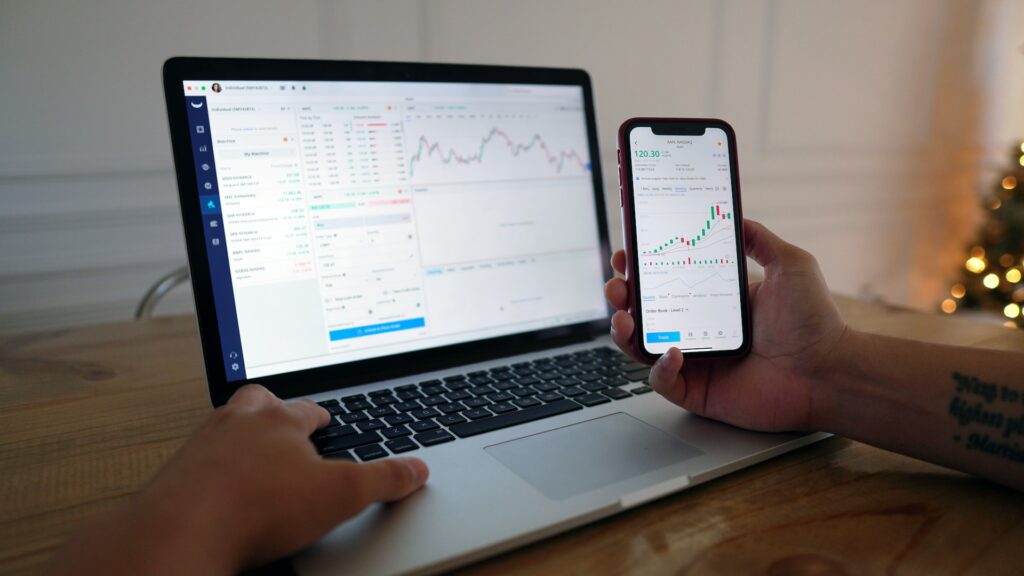
Forex simulators are software applications that replicate the real-time forex market using historical price data. These simulators allow traders to place trades, monitor their positions, and analyze the outcome without risking real money. Forex simulators provide a simulated trading environment that closely resembles the live market, enabling traders to practice their strategies in a realistic setting.
2. Familiarize Yourself with Different Trading Strategies
Before using forex simulators to develop your strategies, it is important to familiarize yourself with different trading strategies. Study various approaches such as trend following, breakout trading, or mean reversion, and understand their strengths and weaknesses. This knowledge will help you make informed decisions when developing and testing your strategies using forex simulators.
3. Define Your Trading Objectives
Clearly defining your trading objectives is essential when developing strategies using forex simulators. Determine your risk tolerance, profit targets, timeframes, and preferred currency pairs. Having a clear set of objectives will guide your strategy development process and help you evaluate the effectiveness of your simulated trades.
4. Backtest Your Strategies
One of the key advantages of forex simulators is the ability to backtest your strategies using historical data. Backtesting involves applying your trading strategy to historical price data to assess its performance. By analyzing the results of your simulated trades, you can identify potential flaws or areas for improvement in your strategy. Make adjustments and refinements as necessary based on the backtesting results.
5. Forward Testing and Optimization
After backtesting your strategies, it is important to forward test them using live market conditions in the forex simulator. This step allows you to validate the performance of your strategy in real-time. Observe how your strategy performs during different market conditions, news releases, and volatile periods. Continuously optimize your strategy based on the feedback and insights gained from forward testing.
6. Analyze and Learn from Results
Throughout the process of developing trading strategies using forex simulators, it is essential to analyze and learn from the results. Keep a record of your simulated trades, including entry and exit points, trade duration, and performance metrics. Analyze the data to identify patterns, strengths, and weaknesses in your strategy. This analysis will help you refine your approach and make informed adjustments for better trading outcomes.
Conclusion
Forex simulators provide a valuable tool for developing and refining trading strategies in a risk-free environment. By using forex simulators, you can practice different strategies, backtest them using historical data, and forward test them under live market conditions. Through continuous analysis and learning from the results, you can improve your trading skills and increase your chances of success in the forex market. Remember to approach forex simulators as a learning tool and use them to gain valuable insights into the dynamics of the market, ultimately enhancing your overall trading abilities.