

Introduction
Forex trading is a complex and decentralized market, where participants buy, sell, and exchange different currencies. To participate in forex trading, individuals and institutions rely on the services of a forex broker. In this article, we will explore the role of a forex broker in trading and how they facilitate access to the forex market.
1. Providing Access to the Forex Market
1.1 Acting as an Intermediary
A forex broker acts as an intermediary between traders and the forex market. They provide individuals and institutions with a platform to access the forex market, allowing them to trade currencies and make transactions. By connecting traders to liquidity providers, such as banks and financial institutions, forex brokers ensure that traders can buy or sell currencies at competitive prices.
1.2 Offering Trading Platforms
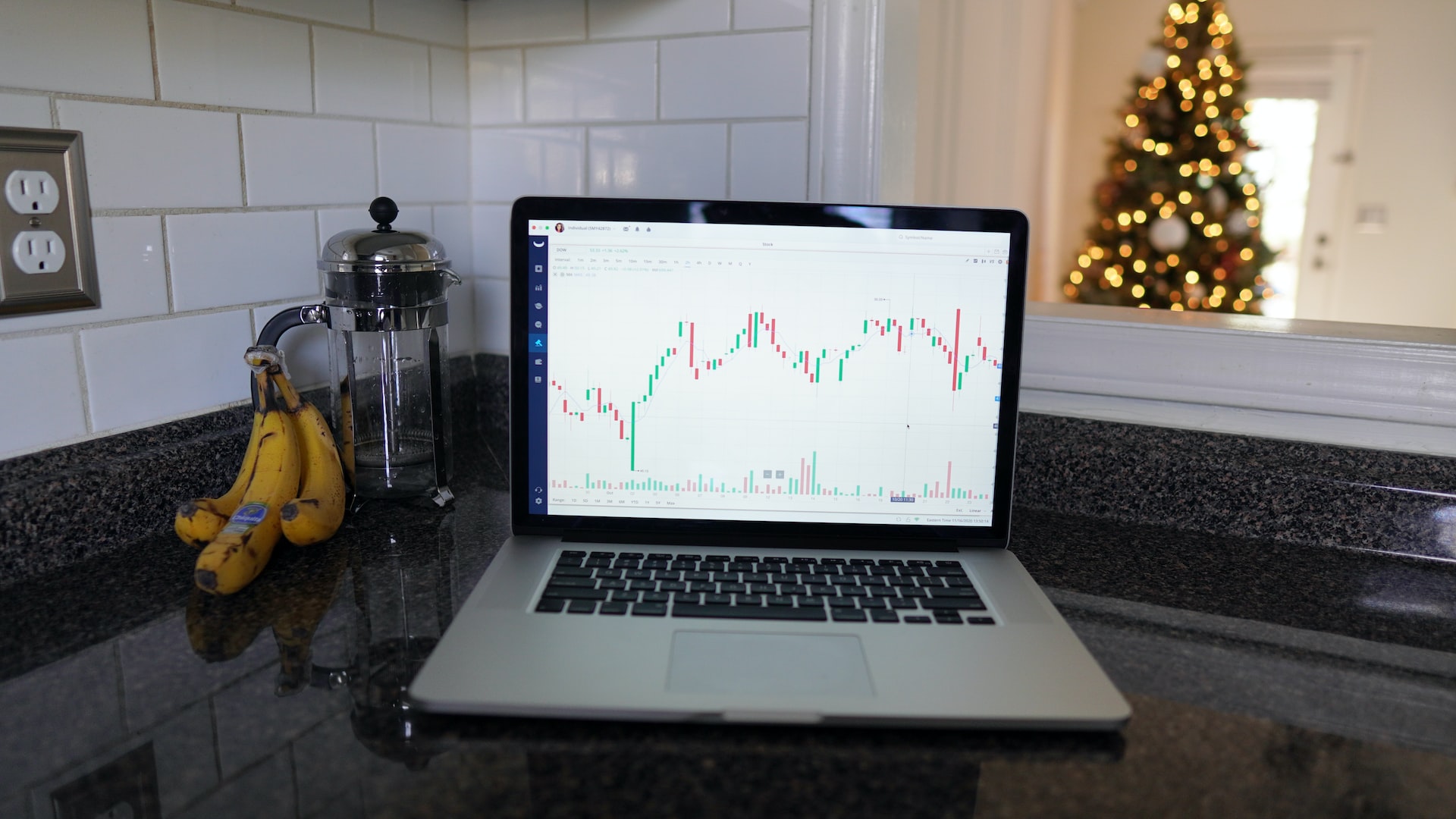
Forex brokers offer trading platforms, which are software applications that enable traders to execute trades, analyze market data, and manage their trading accounts. These platforms provide access to real-time market prices, charts, technical analysis tools, and various order types. Forex brokers often offer multiple trading platforms, catering to the diverse needs and preferences of traders.
2. Executing Trades and Providing Liquidity
2.1 Executing Trades
When a trader places a trade, the forex broker is responsible for executing the order in the market. The broker matches the trader’s buy or sell order with a counterparty willing to take the opposite position. This process ensures that traders can enter or exit positions quickly and at the best available market prices.
2.2 Providing Liquidity
Forex brokers play a crucial role in providing liquidity to the market. They maintain relationships with liquidity providers, including banks and financial institutions, who supply the currency pairs that traders can buy or sell. Forex brokers ensure that there is always sufficient liquidity in the market, allowing traders to execute their trades efficiently, even during periods of high volatility.
3. Offering Trading Services and Support
3.1 Education and Market Analysis
Many forex brokers offer educational resources and market analysis tools to help traders make informed trading decisions. These resources may include webinars, tutorials, articles, and market commentaries. By providing educational materials and market insights, forex brokers empower traders to enhance their trading knowledge and skills.
3.2 Customer Support
Forex brokers offer customer support services to assist traders with any issues or inquiries they may have. Support is typically provided through various channels, such as phone, email, and live chat. Reliable customer support ensures that traders can receive timely assistance and resolve any trading-related concerns they may encounter.
Conclusion
A forex broker plays a vital role in facilitating access to the forex market. They act as intermediaries, providing traders with platforms to execute trades, access real-time market data, and manage their trading accounts. Forex brokers execute trades, provide liquidity, offer trading services and support, and enable individuals and institutions to participate in the dynamic world of forex trading. Choosing a reputable and reliable forex broker is essential for traders to navigate the complexities of the forex market effectively.