How Can I Learn Forex Trading as a Beginner?
Forex trading, also known as foreign exchange trading, offers individuals the opportunity to participate in the global currency market. If you’re a beginner interested in learning forex trading, this blog post will provide you with essential steps and resources to get started on your forex trading journey.
1. Understand the Basics of Forex Trading
Before diving into forex trading, it’s important to grasp the fundamental concepts and terminologies:
1.1 What is Forex Trading?
Forex trading involves buying and selling currencies in the foreign exchange market with the aim of profiting from currency price fluctuations. It is the largest and most liquid financial market globally, with trillions of dollars traded daily.
1.2 Currency Pairs
Currency pairs are the foundation of forex trading. Each pair consists of two currencies, where the first currency is the base currency, and the second currency is the quote currency. Understanding how currency pairs are quoted and their relationship is crucial in forex trading.
1.3 Market Participants
Various participants contribute to the forex market, including commercial banks, central banks, institutional investors, retail traders, and multinational corporations. Understanding the roles and influence of these participants can provide insights into market dynamics.
2. Educate Yourself
Forex trading requires knowledge and understanding of market analysis, trading strategies, risk management, and more. Here are some educational resources to help you learn:
2.1 Online Courses and Webinars
There are numerous online courses and webinars available that cater to beginner forex traders. These educational platforms offer structured lessons, interactive webinars, and real-time trading simulations to enhance your understanding of forex trading concepts and strategies.
2.2 Books and E-Books
Many books and e-books cover various aspects of forex trading, from beginner guides to advanced trading strategies. Some popular titles include “A Beginner’s Guide to Forex Trading” by Matthew Driver and “Forex For Beginners” by Anna Coulling.
2.3 Forex Trading Forums and Communities
Participating in forex trading forums and communities can provide valuable insights and opportunities to interact with experienced traders. These platforms often offer discussions, trading ideas, and mentorship programs to support beginners in their learning journey.
3. Practice with a Demo Account
Opening a demo trading account with a reputable forex broker allows you to practice trading strategies and familiarize yourself with the trading platform without risking real money. Utilize the demo account to gain hands-on experience, test different strategies, and understand the dynamics of the forex market.
4. Develop a Trading Strategy
A trading strategy outlines your approach to forex trading, including entry and exit points, risk management techniques, and position sizing. Consider the following when developing your strategy:
4.1 Technical Analysis
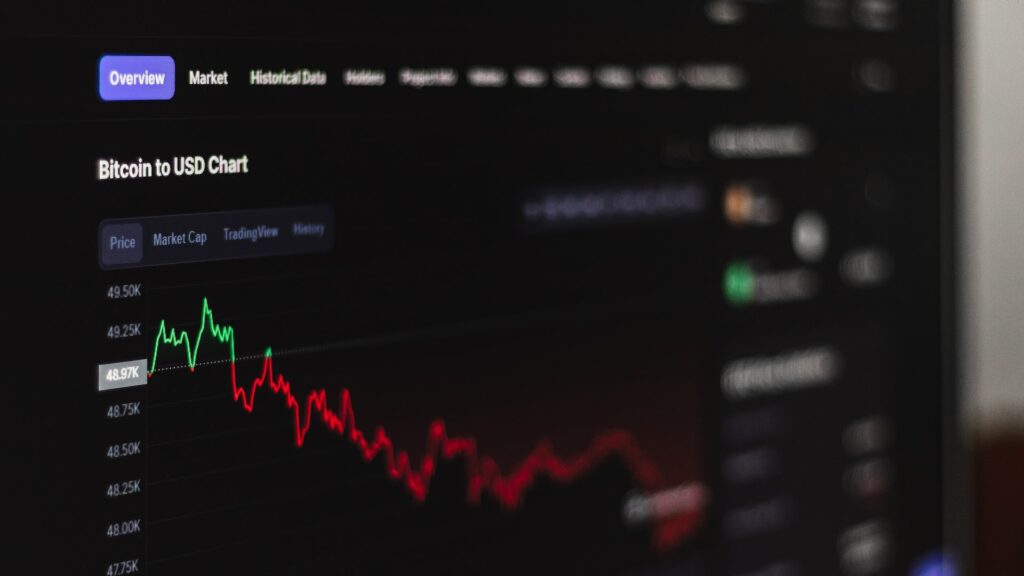
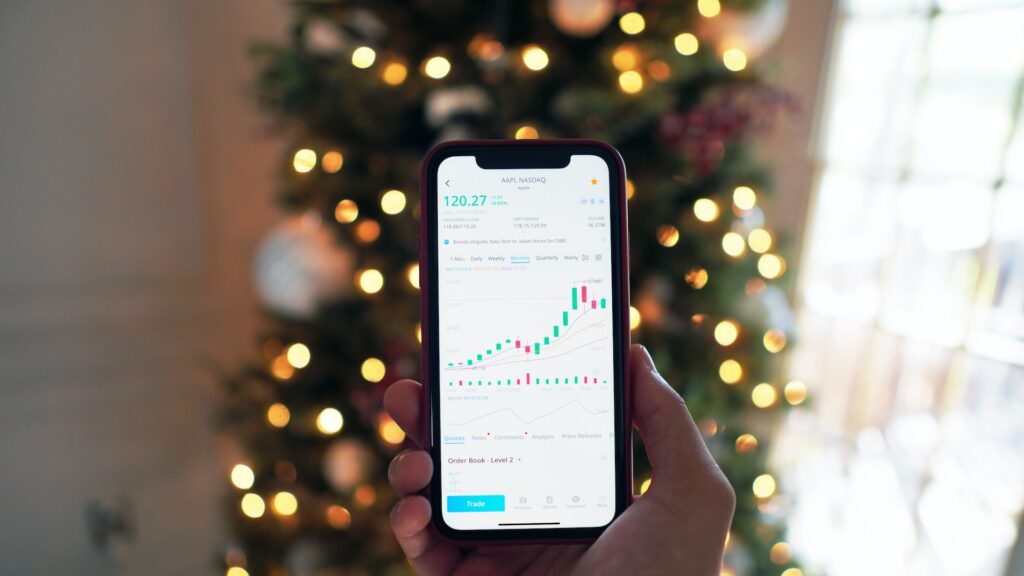
Technical analysis involves studying historical price data, charts, and indicators to identify patterns and predict future price movements. Learn about various technical analysis tools and indicators to incorporate them into your trading strategy.
4.2 Fundamental Analysis
Fundamental analysis focuses on economic indicators, geopolitical events, and market news to assess the intrinsic value of a currency. Stay updated on economic calendars, central bank decisions, and relevant news that can impact currency values.
4.3 Risk Management
Implementing effective risk management is crucial in forex trading. Determine your risk tolerance, set stop-loss orders, and establish proper position sizing to protect your capital and manage potential losses.
5. Start with Small Investments
When you feel ready to trade with real money, start with small investments that you can afford to lose. This allows you to gain practical experience while minimizing the risk to your overall financial well-being. Gradually increase your investment size as you become more confident and successful in your trading.
Conclusion
Learning forex trading as a beginner requires dedication, education, and practice. By understanding the basics, educating yourself through various resources, practicing with a demo account, developing a trading strategy, and starting with small investments, you can embark on your forex trading journey with confidence. Remember, forex trading involves risks, and it’s important to approach it with a disciplined mindset and proper risk management techniques.
Disclaimer: The information provided in this blog post is for informational purposes only and should not be considered as financial advice. It is important to conduct thorough research and consult with a professional before engaging in forex trading or making any investment decisions.