Comparing Different Forex Brokers: A Comprehensive Guide
Introduction
Choosing the right forex broker is a crucial decision for any trader. With numerous options available, it can be challenging to determine which broker best suits your trading needs. In this blog post, we will provide a comprehensive guide on how to compare different forex brokers effectively, ensuring you make an informed decision.
1. Regulation and Security
Start by checking the regulatory status of the forex broker. Look for brokers who are regulated by reputable financial authorities such as the Financial Conduct Authority (FCA), the Australian Securities and Investments Commission (ASIC), or the Cyprus Securities and Exchange Commission (CySEC). Regulatory oversight ensures that the broker operates within established guidelines, providing a level of security for your funds.
2. Trading Platform and Tools
Assess the trading platforms and tools offered by different brokers. A user-friendly and reliable trading platform is essential for executing trades smoothly. Look for features such as real-time market data, advanced charting tools, and order execution capabilities. Additionally, consider if the broker offers mobile trading options to trade on the go.
3. Range of Tradable Instruments
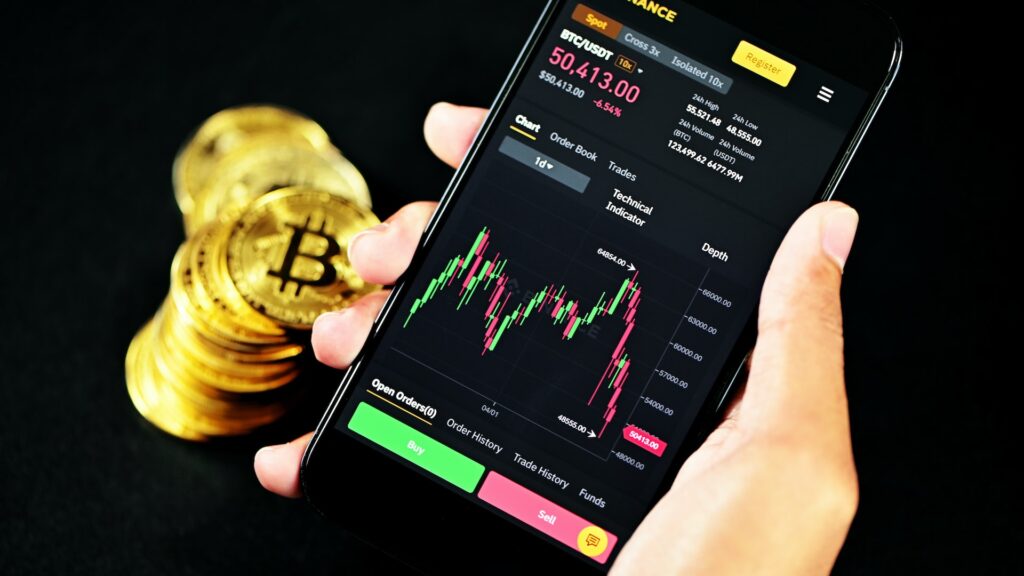
Consider the range of tradable instruments provided by each broker. While most brokers offer major currency pairs, you may also be interested in trading other instruments such as commodities, indices, or cryptocurrencies. Ensure that the broker offers the specific instruments you wish to trade to avoid limitations in your trading strategy.
4. Pricing and Fees
Compare the pricing structure and fees of different brokers. Look for brokers with competitive spreads, as tighter spreads can reduce your trading costs. Additionally, consider other fees such as commissions, overnight swap charges, and withdrawal fees. Be aware of any hidden charges that could impact your profitability.
5. Customer Support and Service
Assess the quality of customer support provided by each broker. Prompt and reliable customer support is crucial, especially during times of technical issues or account-related queries. Look for brokers that offer multiple channels of communication and have responsive support teams available to assist you when needed.
6. Educational Resources
Educational resources are valuable for both beginner and experienced traders. Consider if the broker provides educational materials such as trading guides, webinars, or market analysis. These resources can enhance your trading knowledge and skills, allowing you to make more informed trading decisions.
7. User Reviews and Reputation
Research user reviews and the reputation of different forex brokers. Read feedback from other traders to get insights into their experiences with the broker. Pay attention to any recurring issues or concerns raised by traders. While no broker is perfect, a broker with a positive overall reputation is more likely to provide a satisfactory trading experience.
Conclusion
Comparing different forex brokers is an essential step in finding the right one for your trading journey. By considering factors such as regulation and security, trading platform and tools, range of tradable instruments, pricing and fees, customer support and service, educational resources, and user reviews, you can make an informed decision. Remember to prioritize your individual trading needs and preferences to find the broker that aligns with your goals.