What Is a Forex Trading Broker?
Forex trading, also known as foreign exchange trading, is the buying and selling of currencies with the aim of profiting from the fluctuations in their exchange rates. To participate in the forex market, traders rely on the services of a forex trading broker. A forex broker is a financial intermediary that facilitates the execution of trades in the forex market. In this blog post, we will delve into the role and functions of a forex trading broker.
1. Market Access
A forex trading broker provides traders with access to the forex market, which is a decentralized global marketplace for currency trading. By connecting traders to liquidity providers such as banks, financial institutions, and other traders, brokers enable individuals to buy and sell currencies at market prices. Without a broker, it would be challenging for individual traders to directly access the forex market.
2. Trade Execution
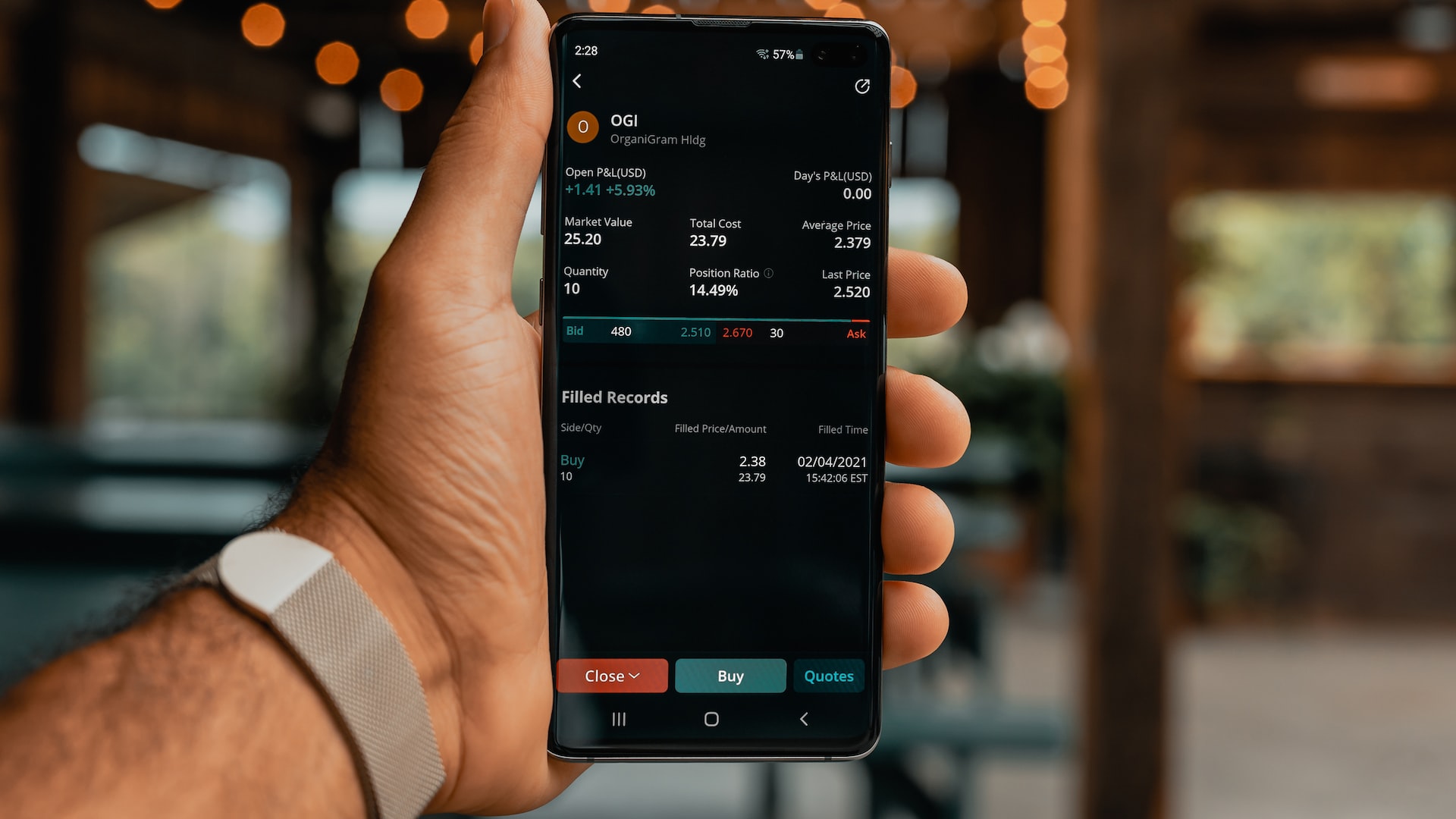
One of the primary functions of a forex trading broker is to execute trades on behalf of traders. When a trader places an order to buy or sell a currency pair, the broker receives the order and executes it in the market. The broker ensures that the trade is executed at the best available price and in a timely manner. Trade execution is crucial in forex trading, and a reliable broker plays a vital role in achieving optimal execution.
3. Provision of Trading Platforms
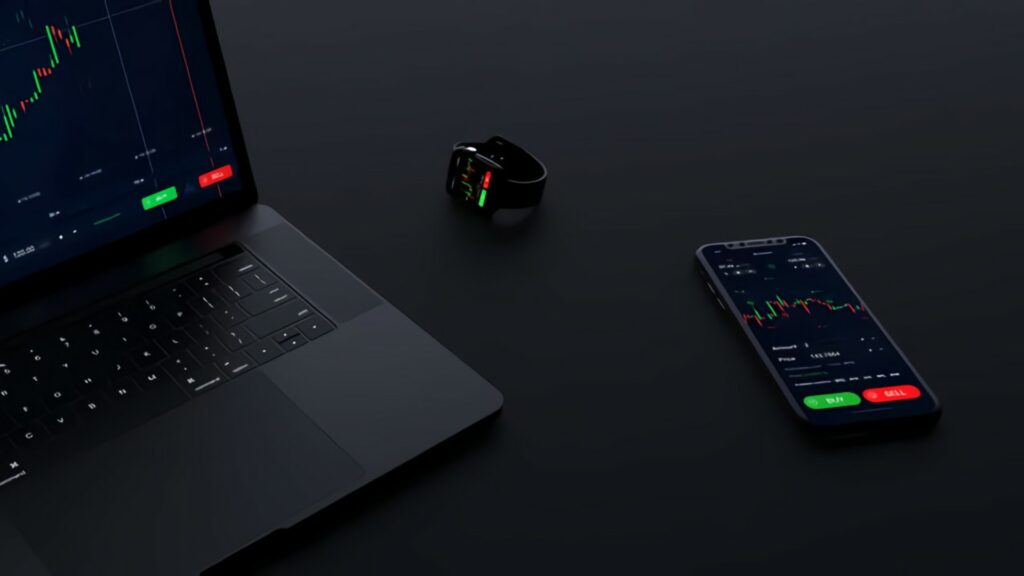
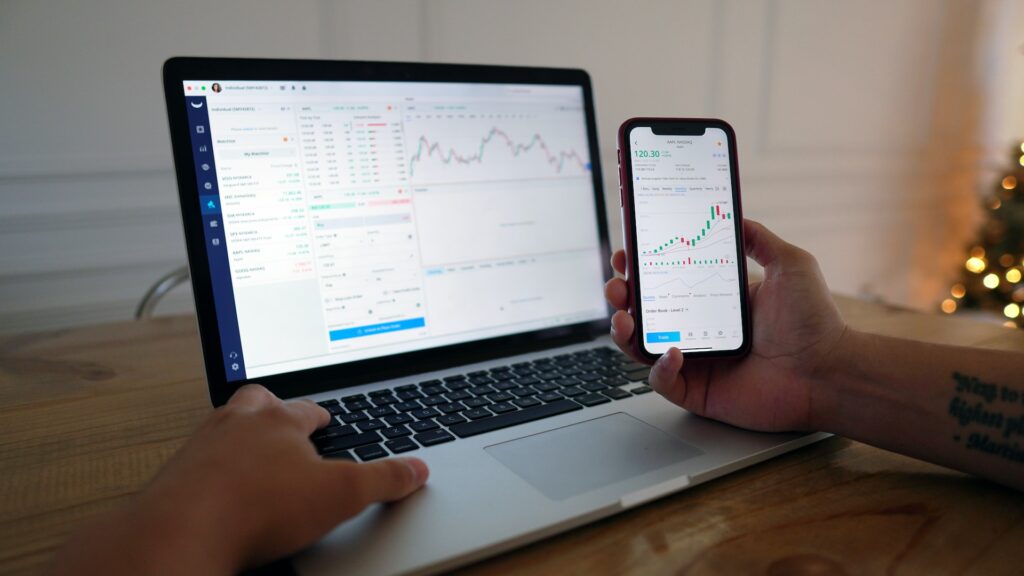
Forex trading brokers provide traders with trading platforms, which are software applications that allow individuals to access the forex market and execute trades. These platforms offer real-time currency prices, charting tools, order placement capabilities, and account management features. A good forex broker offers user-friendly and technologically advanced trading platforms that cater to the needs of traders at different skill levels.
4. Access to Leverage
Forex brokers provide traders with access to leverage, which is the ability to control larger positions in the market with a smaller amount of capital. Leverage amplifies both profits and losses, and it is a key feature of forex trading. Brokers offer different leverage ratios, and traders need to select the appropriate level of leverage based on their risk appetite and trading strategy. The broker ensures that traders can utilize leverage safely and responsibly.
5. Market Analysis and Research
Many forex trading brokers provide market analysis and research tools to assist traders in making informed trading decisions. These tools may include economic calendars, technical analysis indicators, fundamental analysis reports, and market commentaries. By offering such resources, brokers empower traders to analyze market trends, identify trading opportunities, and develop trading strategies.
6. Risk Management Tools
Effective risk management is crucial in forex trading, and brokers offer various risk management tools to help traders protect their capital. These tools may include stop-loss orders, take-profit orders, and trailing stops. By utilizing these tools, traders can set predefined levels at which their positions will be automatically closed, limiting potential losses and protecting profits.
Conclusion
A forex trading broker plays a vital role in facilitating forex trading. They provide traders with access to the forex market, execute trades, offer trading platforms, provide access to leverage, offer market analysis and research tools, and provide risk management tools. It is important for traders to choose a reliable and reputable broker that aligns with their trading needs and preferences. By partnering with the right broker, traders can navigate the forex market effectively and increase their chances of success.