Introduction
Forex trading, also known as foreign exchange trading, is the process of buying and selling currencies with the aim of making a profit. It is the largest and most liquid financial market globally, with trillions of dollars traded daily. In this blog post, we will explore the basics of forex trading, including what it is, how it works, and the key factors to consider when getting started.
1. Understanding Forex Trading
Definition and Market Participants
Forex trading involves the simultaneous buying of one currency and selling of another. Currencies are traded in pairs, such as the EUR/USD or GBP/JPY, where the first currency is the base currency, and the second currency is the quote currency. Market participants in forex trading include banks, financial institutions, corporations, governments, and individual traders.
Leverage and Margin
Leverage allows traders to control larger positions with a smaller amount of capital. It magnifies both profits and losses. Margin, on the other hand, refers to the amount of money required to open and maintain a trading position. Understanding leverage and margin is crucial as they can significantly impact your trading strategy and risk management.
2. How Forex Trading Works
Trading Sessions
The forex market operates 24 hours a day, five days a week, across different time zones. The market opens on Sunday evening (EST) with the Asian session, followed by the European session and the North American session. Understanding the trading sessions can help you identify the most active and volatile periods for specific currency pairs.
Market Analysis
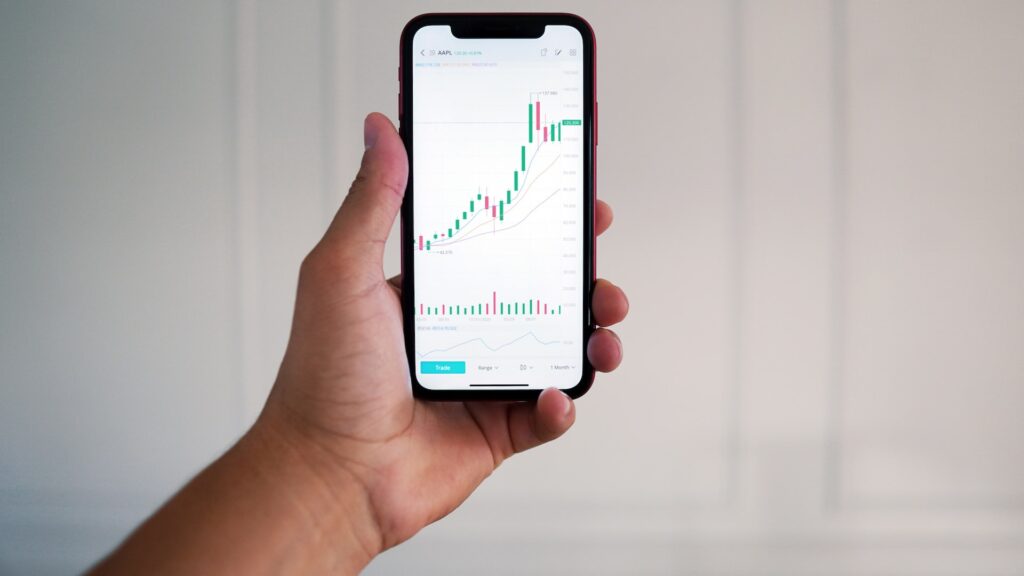
Successful forex trading requires a solid understanding of market analysis. There are two primary types: fundamental analysis and technical analysis. Fundamental analysis involves evaluating economic indicators, central bank decisions, geopolitical events, and news releases that affect currency values. Technical analysis focuses on studying historical price data, chart patterns, and indicators to predict future price movements.
3. Key Factors to Consider
Risk Management
Implementing proper risk management techniques is essential in forex trading. This includes setting stop-loss orders to limit potential losses, determining position sizes based on risk tolerance, and diversifying your portfolio to reduce exposure to a single currency pair.
Choosing a Reliable Broker
Selecting a reputable and regulated forex broker is crucial to ensure the safety of your funds and the integrity of your trades. Consider factors such as trading platforms, customer support, spreads, commissions, and the range of available currency pairs when choosing a broker.
4. Getting Started in Forex Trading
Educate Yourself
Before diving into forex trading, it is essential to educate yourself about the market. Learn about basic terminologies, trading strategies, risk management techniques, and the factors that drive currency movements. There are numerous online resources, courses, and books available to help you gain knowledge and skills.
Practice with Demo Accounts
Most forex brokers offer demo accounts that allow you to practice trading with virtual money. Use these accounts to familiarize yourself with the trading platform, test different strategies, and gain practical experience without risking real capital.
Start Small and Gradually Increase
When you feel confident and ready to trade with real money, start with a small amount that you can afford to lose. As you gain experience and develop your trading skills, you can gradually increase your trading capital. Patience and discipline are key virtues in forex trading.
Conclusion
Forex trading provides an opportunity for individuals to participate in the world’s largest financial market. Understanding the basics of forex trading, including how it works, market analysis techniques, risk management, and choosing a reliable broker, is crucial for success. By educating yourself, practicing with demo accounts, and starting small, you can begin your forex trading journey with a solid foundation. Remember, forex trading is a skill that takes time and effort to master, so be patient and persistent in your pursuit of knowledge and experience.