How Can I Read and Interpret Forex Market Charts?
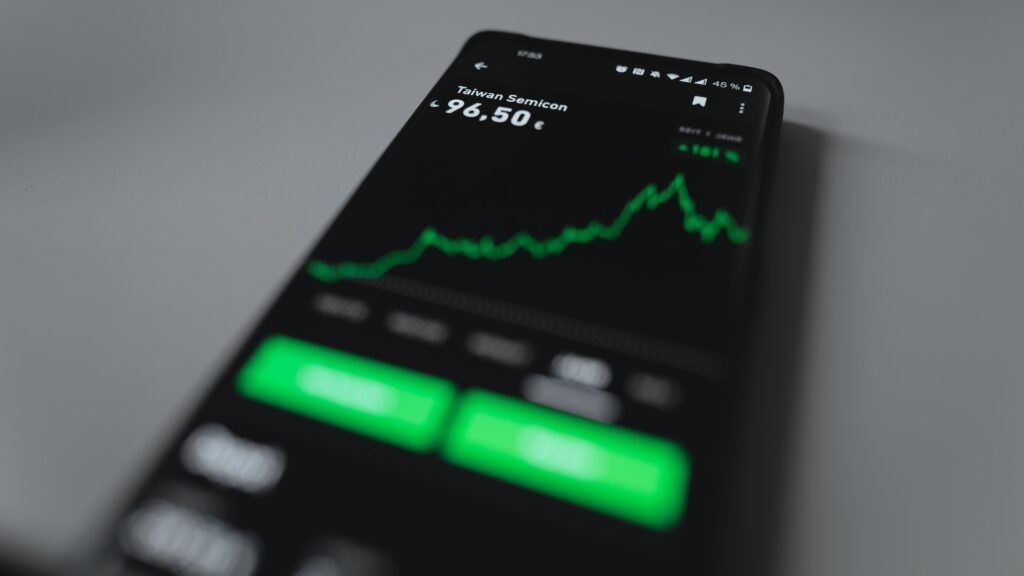
Reading and interpreting forex market charts is a fundamental skill for anyone interested in forex trading. Forex charts provide valuable information about currency price movements and trends, enabling traders to make informed trading decisions. In this blog post, we will explore the key elements of forex market charts and how to interpret them effectively.
1. Types of Forex Charts
Forex charts come in different types, including line charts, bar charts, and candlestick charts. Each chart type presents price data in a unique way, providing different insights into market trends and patterns. It’s important to understand the characteristics of each chart type and choose the one that suits your trading style and preferences.
2. Timeframes
Forex charts display price data over specific timeframes, such as one minute, five minutes, one hour, one day, or longer periods. The choice of timeframe depends on your trading strategy and the level of detail you want to analyze. Shorter timeframes provide more granular information, while longer timeframes offer a broader perspective of market trends.
3. Price Axis
The price axis, also known as the y-axis, represents the currency price on the chart. It shows the value of the currency pair being analyzed. Understanding the scale of the price axis is crucial to interpret the price movements accurately. Pay attention to the increments on the price axis to determine the magnitude of price changes.
4. Time Axis
The time axis, also known as the x-axis, represents the timeframe over which the price data is plotted. It shows the progression of time, allowing you to identify trends and patterns. Understanding the time axis helps you analyze historical price movements and predict future market behavior.
5. Candlestick Patterns
Candlestick charts are widely used in forex trading due to their ability to provide detailed insights into price movements. Candlesticks represent price data for a specific timeframe and display the opening, closing, high, and low prices. Different candlestick patterns, such as doji, hammer, engulfing, and spinning top, can indicate potential trend reversals or continuation.
6. Technical Indicators
Technical indicators are mathematical calculations applied to forex charts to provide additional information about price movements. Common technical indicators include moving averages, Bollinger Bands, Relative Strength Index (RSI), and MACD (Moving Average Convergence Divergence). These indicators help identify trends, overbought or oversold conditions, and potential entry or exit points.
7. Support and Resistance Levels
Support and resistance levels are significant price levels where the market has historically shown buying or selling pressure. These levels can be identified by analyzing previous price movements. Support levels act as a floor for price, preventing it from dropping further, while resistance levels act as a ceiling, preventing price from rising higher. Traders often use support and resistance levels to determine entry and exit points.
8. Trendlines
Trendlines are drawn on forex charts to identify and visualize trends. An uptrend is formed by connecting higher swing lows, while a downtrend is formed by connecting lower swing highs. Trendlines can help traders identify the direction of the market and potential areas of support or resistance. They can also assist in determining trend reversals.
Conclusion
Reading and interpreting forex market charts is essential for successful trading. By understanding the different types of forex charts, timeframes, price and time axes, candlestick patterns, technical indicators, support and resistance levels, and trendlines, you can gain valuable insights into market trends and make informed trading decisions. Remember, practice and continuous learning are key to improving your chart reading skills and becoming a proficient forex trader.