Introduction
Selecting the right forex broker is crucial for traders to effectively meet their trading needs. With numerous brokers available in the market, it’s important to find one that aligns with your specific requirements. In this article, we will explore the steps you can take to match your trading needs with the right forex broker, ensuring a seamless trading experience.
1. Define Your Trading Goals
Before you start evaluating different forex brokers, it’s important to clearly define your trading goals. Are you looking to trade full-time or part-time? Do you aim to generate short-term profits or focus on long-term investments? Understanding your trading goals will help you identify brokers that offer the right tools, platforms, and services to support your objectives.
2. Assess Trading Platforms
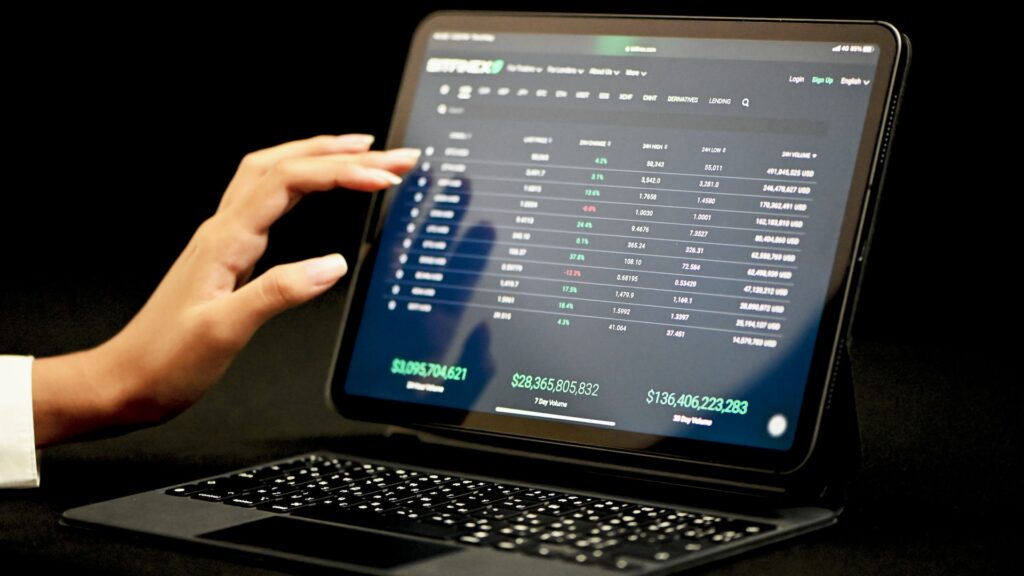
Trading platforms play a critical role in executing trades and monitoring the markets. Evaluate the trading platforms offered by different brokers. Look for platforms that are user-friendly, reliable, and provide the necessary features and tools that align with your trading strategy. Consider factors such as order execution speed, charting capabilities, technical analysis tools, and mobile compatibility to ensure the platform meets your needs.
3. Research Broker Regulations
Regulation is a key factor to consider when selecting a forex broker. Research the regulatory bodies that oversee brokers in your country or region. A regulated broker provides a level of security and ensures that they operate in compliance with industry standards. Check if the broker you are considering is licensed and regulated by a reputable authority, as this will help protect your funds and rights as a trader.
4. Evaluate Trading Costs
Trading costs can significantly impact your profitability. Assess the fee structure of different brokers to understand the costs involved in trading. Compare spreads, commissions, overnight fees, deposit and withdrawal charges, and any other expenses that may be applicable. Consider your trading frequency and style to determine which broker offers the most cost-effective solution for your needs.
5. Consider Available Trading Instruments
If you have specific trading instruments in mind, ensure that the broker offers them. Forex brokers provide access to various currency pairs, but if you are interested in trading other financial instruments like stocks, commodities, or indices, make sure the broker offers those as well. Aligning your preferred trading instruments with the broker’s offerings is essential for a successful trading experience.
6. Check Customer Support
Reliable customer support is crucial, especially if you encounter any issues or have questions regarding your trading activities. Evaluate the customer support options provided by different brokers, such as live chat, email, or phone support. Look for brokers that offer prompt and knowledgeable customer service to ensure that you can seek assistance whenever needed.
Conclusion
Matching your trading needs with the right forex broker is a critical step towards achieving your trading goals. By defining your trading goals, evaluating trading platforms, researching broker regulations, assessing trading costs, considering available trading instruments, and checking customer support, you can find a broker that meets your specific requirements. Taking the time to match your needs with the right broker will contribute to a successful and rewarding trading experience.