How Is the Forex Market Structured?
The forex market, also known as the foreign exchange market, is a decentralized global marketplace where participants trade currencies. It is the largest and most liquid financial market in the world, with trillions of dollars exchanged daily. In this article, we’ll explore the structure of the forex market, including its participants, trading sessions, and the role of intermediaries.
Participants in the Forex Market
The forex market is comprised of various participants, including:
1. Banks and Financial Institutions
Commercial banks, central banks, and other financial institutions are the primary players in the forex market. They facilitate currency transactions for their clients, provide liquidity to the market, and engage in speculative trading to profit from exchange rate movements. Banks also act as intermediaries, connecting buyers and sellers in the market.
2. Corporations and Businesses
Corporations and businesses that operate in multiple countries participate in the forex market to manage their foreign exchange exposure. They may need to buy or sell currencies to pay for imports, receive payments in foreign currencies, or hedge against currency risks. These participants often engage in large-volume transactions that can significantly impact exchange rates.
3. Retail Traders
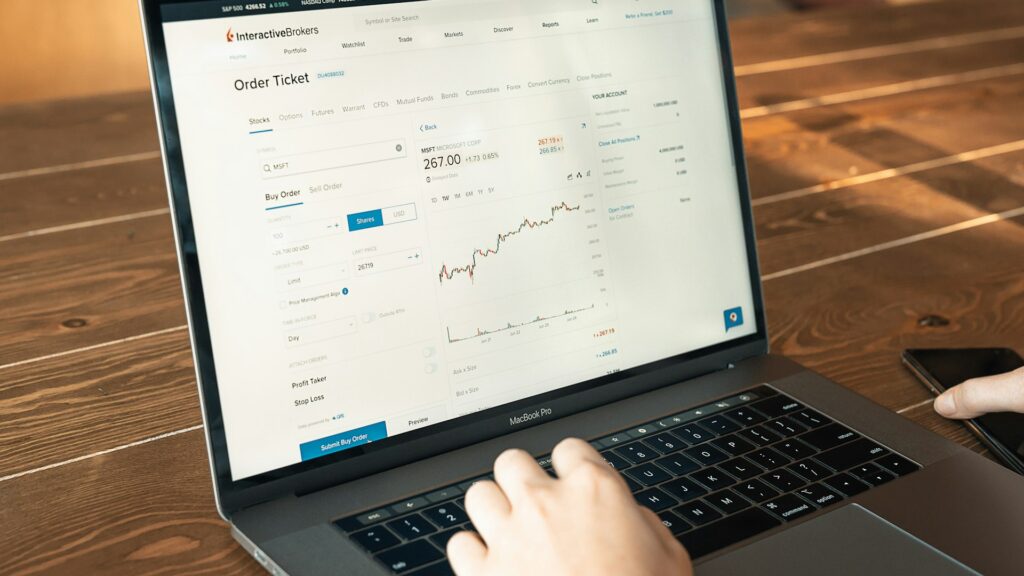
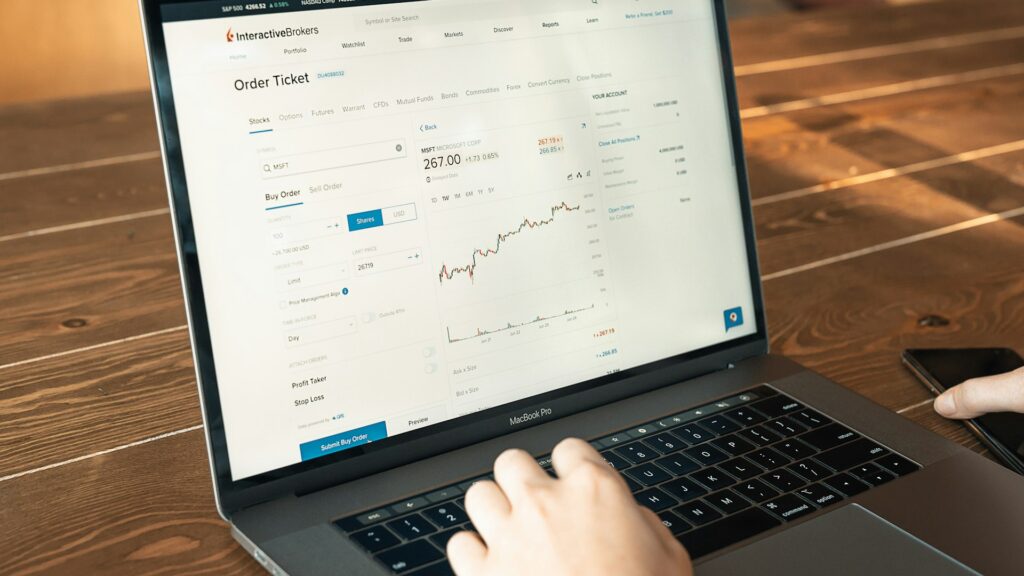
Retail traders are individual traders who participate in the forex market through online brokers. They trade with smaller volumes compared to institutional players and aim to profit from short-term price movements. Retail traders have access to trading platforms that provide real-time market quotes, charts, and analysis tools, allowing them to execute trades efficiently.
The Role of Intermediaries
In the forex market, intermediaries play a crucial role in facilitating transactions and providing liquidity. These intermediaries include:
1. Forex Brokers
Forex brokers are companies that serve as intermediaries between retail traders and the interbank market. They provide trading platforms, execute trades on behalf of their clients, and offer various services such as leverage, margin trading, and access to market analysis tools. Forex brokers earn revenue through spreads, which are the differences between the buying and selling prices of currency pairs.
2. Market Makers
Market makers are financial institutions or brokers that provide liquidity by quoting both a bid and ask price for a currency pair. They are always ready to buy or sell a currency pair, ensuring that there is a continuous market available for traders. Market makers earn profits from the spread and aim to minimize their exposure to market risks.
Forex Trading Sessions
The forex market operates 24 hours a day, five days a week, as trading sessions overlap across different time zones. The major trading sessions include:
1. Asian Session
The Asian session begins with the opening of the Tokyo market. It is the least volatile session, with lower trading volumes compared to other sessions. The major currency pairs involving the Japanese Yen (JPY) are often most active during this session.
2. European Session
The European session is the most active session, with significant trading volumes. It starts with the opening of the London market and overlaps with the Asian session. This session is characterized by increased liquidity and volatility, especially when economic data releases and central bank announcements occur.
3. North American Session
The North American session begins with the opening of the New York market and overlaps with the European session. It is the second most active session and experiences high volatility due to the participation of market players from both Europe and the United States. Economic news releases from the United States can significantly impact currency prices during this session.
Conclusion
The forex market is structured in a way that allows participants from around the world to trade currencies freely. Banks, financial institutions, corporations, and retail traders actively participate in this global marketplace. Intermediaries such as forex brokers and market makers play a vital role in facilitating transactions and providing liquidity. Understanding the structure of the forex market, including its participants, trading sessions, and the role of intermediaries, is essential for anyone looking to engage in forex trading.