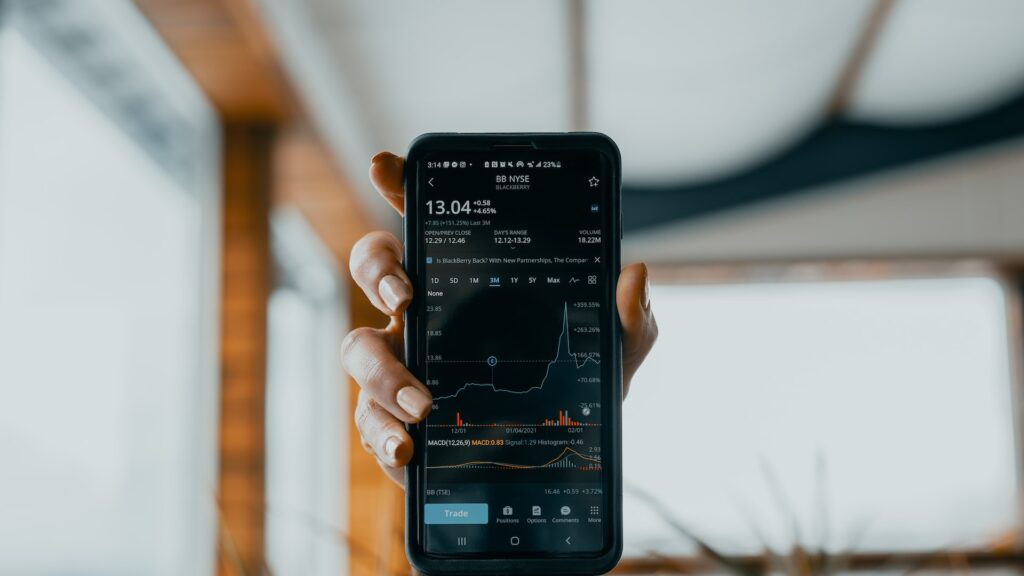
What are the key differences between forex trading and stock trading?
Forex trading and stock trading are two popular investment options, each with its own characteristics and unique features. Understanding the key differences between these two types of trading can help you make informed investment decisions and choose the approach that aligns with your goals and risk tolerance. In this article, we will explore the main differences between forex trading and stock trading. Let’s delve into it:
1. Market Structure
Forex Trading
Forex trading involves buying and selling currencies in the foreign exchange market. It is a decentralized market where participants trade currencies directly with each other or through intermediaries. The forex market is open 24 hours a day, five days a week, allowing for continuous trading. The market is highly liquid, with trillions of dollars being traded daily.
Stock Trading
Stock trading involves buying and selling shares of publicly listed companies on stock exchanges. Stock markets are centralized and operate during specific trading hours. Different stock exchanges around the world have their own trading hours. Liquidity in stock markets can vary depending on the size and popularity of the company’s shares being traded.
2. Instruments Traded
Forex Trading
In forex trading, the primary instruments traded are currency pairs. Traders speculate on the price movements of one currency relative to another. The most commonly traded currency pairs include major pairs like EUR/USD, GBP/USD, and USD/JPY, as well as minor and exotic pairs.
Stock Trading
Stock trading involves buying and selling shares of individual companies. Each company’s shares represent ownership in that company. Stock traders analyze company fundamentals, financial reports, and market trends to make investment decisions. Stocks can be categorized into different sectors and industries, allowing traders to diversify their portfolios.
3. Volatility and Liquidity
Forex Trading
The forex market is known for its high liquidity and volatility. The large trading volume and continuous trading hours contribute to increased liquidity, ensuring that traders can enter and exit positions easily. Volatility in the forex market can be influenced by economic news releases, geopolitical events, and central bank decisions.
Stock Trading
The volatility and liquidity of individual stocks can vary depending on the company and its market capitalization. Stocks of larger, more established companies tend to be more liquid and less volatile compared to stocks of smaller companies or those in emerging markets. Stock prices can be influenced by company-specific news, industry trends, and overall market sentiment.
4. Leverage and Margin
Forex Trading
Forex trading allows traders to utilize leverage, which means they can control larger positions with a smaller amount of capital. Leverage amplifies both profits and losses. Traders are required to deposit a margin to cover potential losses. Margin requirements can vary depending on the broker and the currency pair being traded.
Stock Trading
Leverage in stock trading is typically lower compared to forex trading. Some stock exchanges may offer margin trading, but it is subject to stricter regulations and may require higher capital requirements. Margin requirements for stock trading are usually higher compared to forex trading.
Conclusion
Forex trading and stock trading have distinct differences in terms of market structure, instruments traded, volatility, liquidity, and leverage. Forex trading involves trading currency pairs in a decentralized market, while stock trading involves buying and selling shares of publicly listed companies on stock exchanges. Both types of trading offer unique opportunities and risks, and it’s essential to understand their characteristics before engaging in either. Consider your investment goals, risk tolerance, and available capital when deciding between forex trading and stock trading.