What Are Forex Trade Signals?
If you’re interested in forex trading, you may have come across the term “forex trade signals.” But what exactly are forex trade signals, and how can they benefit your trading activities? In this blog post, we will explore the concept of forex trade signals, their purpose, and how they can be used to enhance your trading strategies. By understanding forex trade signals, you can make more informed decisions and potentially improve your trading outcomes.
1. Understanding Forex Trade Signals
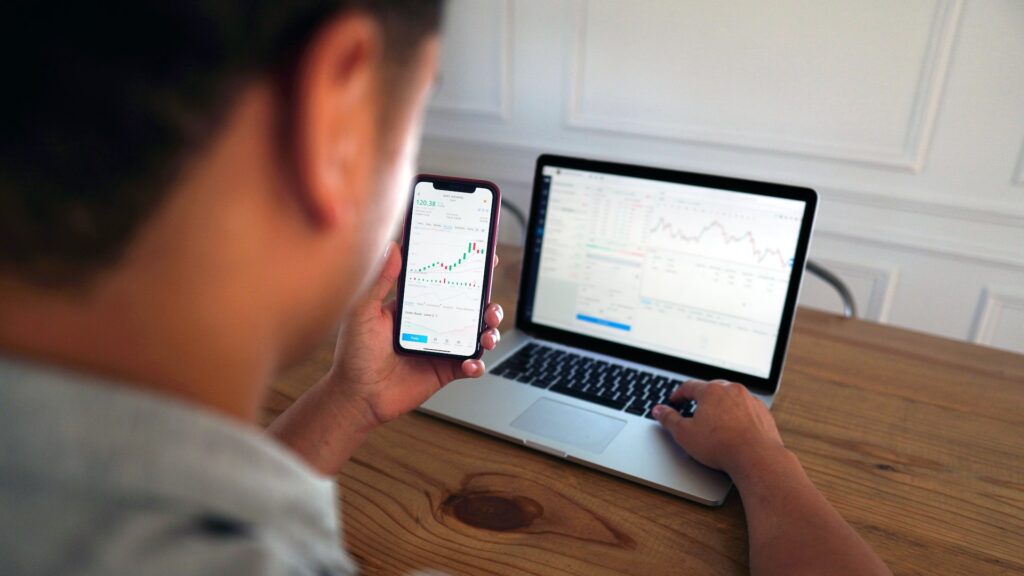
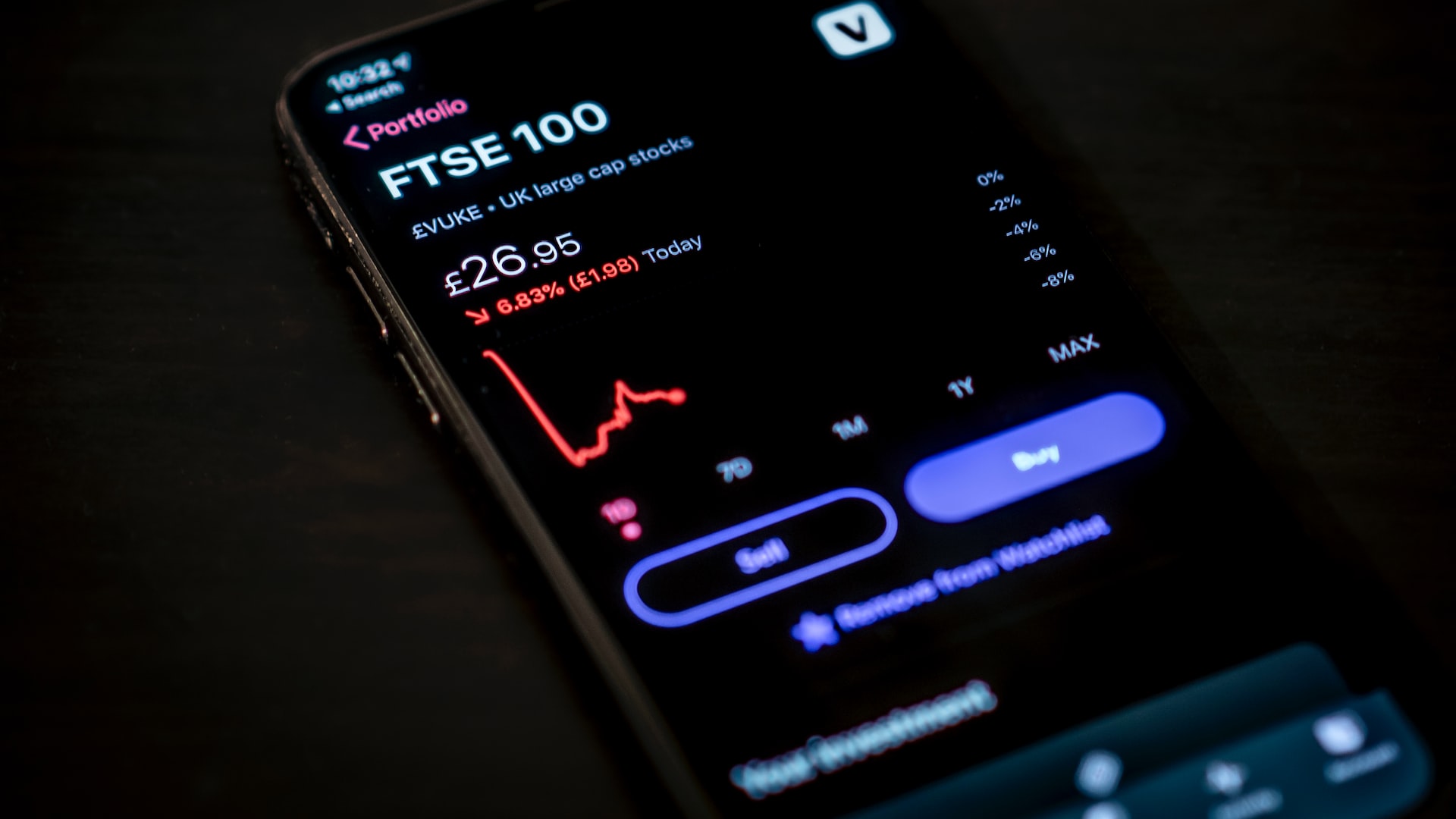
Forex trade signals are alerts or notifications that provide traders with information about potential trading opportunities in the foreign exchange market. These signals are generated by professional traders, trading systems, or specialized software. The signals typically include details such as the currency pair, entry and exit prices, stop-loss levels, and take-profit targets.
2. How Forex Trade Signals Work
Forex trade signals are generated through various technical and fundamental analysis techniques. Professional traders or trading systems analyze market conditions, price patterns, economic indicators, and other relevant factors to identify potentially profitable trading opportunities. Once a trading signal is generated, it is sent to subscribers via email, SMS, or through a dedicated trading platform.
2.1 Technical Analysis Signals
Technical analysis signals are based on the study of historical price data, chart patterns, and technical indicators. Traders who use technical analysis focus on identifying trends, support and resistance levels, and other price patterns that can help predict future price movements. Technical analysis signals often rely on indicators such as moving averages, oscillators, and Fibonacci retracements.
2.2 Fundamental Analysis Signals
Fundamental analysis signals are generated by analyzing economic data, news events, and geopolitical factors that can impact currency values. Traders who use fundamental analysis aim to identify trading opportunities based on the underlying economic and political factors influencing a currency’s strength or weakness. Fundamental analysis signals may consider factors such as interest rates, inflation, GDP growth, and geopolitical events.
3. Benefits of Using Forex Trade Signals
Using forex trade signals can offer several benefits to traders:
3.1 Time-Saving
Forex trade signals provide traders with ready-to-use trading ideas, saving them time and effort in market analysis. Instead of spending hours analyzing charts and economic data, traders can rely on the expertise of signal providers to identify potential trading opportunities.
3.2 Learning Opportunity
Forex trade signals can also serve as a valuable learning tool for novice traders. By following the signals and analyzing the reasons behind them, traders can gain insights into the strategies and techniques used by experienced traders. This can help improve their understanding of the forex market and enhance their own trading skills over time.
3.3 Diversification
Forex trade signals can provide traders with access to a wide range of trading opportunities across different currency pairs. This allows traders to diversify their portfolios and reduce the risk associated with relying solely on their own trading decisions. By following signals from different providers, traders can explore various strategies and potentially benefit from different trading perspectives.
4. Considerations When Using Forex Trade Signals
While forex trade signals can be a valuable tool, it’s important to consider the following:
4.1 Signal Reliability
Not all forex trade signals are equally reliable. It’s essential to choose signal providers with a proven track record and a transparent approach to signal generation. Look for providers who provide performance statistics and who are willing to explain their trading strategies.
4.2 Risk Management
Forex trade signals should not be seen as a guaranteed path to profits. It’s crucial to implement proper risk management strategies and consider factors such as position sizing, stop-loss levels, and overall portfolio risk. Traders should also exercise caution when using leverage and ensure they understand the risks involved in forex trading.
4.3 Combination with Personal Analysis
While forex trade signals can be helpful, it’s advisable to combine them with your own analysis and judgment. Consider using signals as a starting point for further research and analysis before making trading decisions. This can help you develop a deeper understanding of the market and increase your confidence in your trading strategies.
Conclusion
Forex trade signals are alerts or notifications that provide traders with potential trading opportunities in the foreign exchange market. They can be generated through technical or fundamental analysis techniques and offer benefits such as time-saving, learning opportunities, and diversification. However, it’s crucial to consider signal reliability, implement proper risk management, and combine signals with personal analysis. By using forex trade signals effectively, you can enhance your trading strategies and potentially improve your trading outcomes.