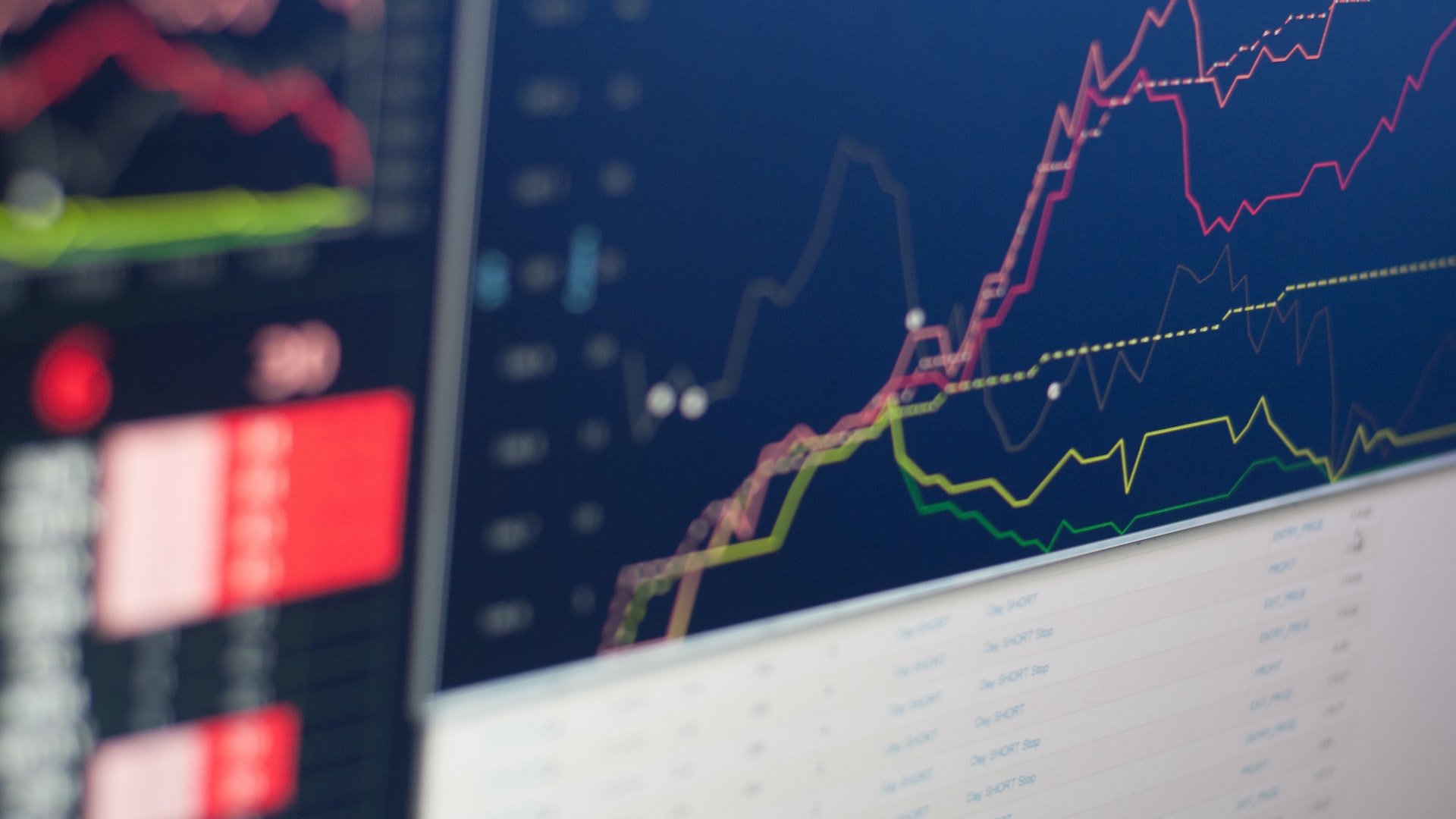
Why is technical analysis important in forex trading?
Technical analysis plays a crucial role in forex trading, providing traders with valuable insights and tools to make informed trading decisions. By analyzing historical price data and market trends, technical analysis helps traders identify potential entry and exit points, manage risk, and improve their overall trading performance. In this article, we will explore the importance of technical analysis in forex trading.
1. Identifying Trends and Patterns
One of the primary reasons why technical analysis is important in forex trading is its ability to identify trends and patterns in price charts. By analyzing historical price data, traders can identify whether the market is in an uptrend, downtrend, or trading sideways. This information allows traders to align their trading strategies accordingly. They can choose to trade in the direction of the trend or look for potential trend reversals.
2. Entry and Exit Points
Technical analysis helps traders determine optimal entry and exit points in the forex market. By studying support and resistance levels, chart patterns, and indicators, traders can identify potential opportunities to buy or sell currency pairs. Technical analysis provides traders with specific price levels where they can enter trades, place stop-loss orders, and set profit targets. This helps traders make well-defined and disciplined trading decisions.
3. Risk Management
Risk management is a critical aspect of forex trading, and technical analysis plays a vital role in this area. Technical indicators and tools help traders define appropriate levels for stop-loss orders. By setting stop-loss orders at key support or resistance levels, traders can limit their potential losses if the market moves against their positions. Technical analysis provides traders with a systematic approach to managing risk and protecting their trading capital.
4. Confirmation of Fundamental Analysis
While fundamental analysis focuses on analyzing economic indicators, news events, and geopolitical factors, technical analysis can provide confirmation or additional insights. By combining both fundamental and technical analysis, traders can make more informed trading decisions. For example, if a trader identifies a bullish trend in a currency pair based on technical analysis, this can support a positive fundamental outlook for that currency.
5. Enhancing Trading Psychology
Technical analysis can also help enhance a trader’s psychological approach to trading. By providing objective and measurable data, technical analysis reduces the influence of emotions in trading decisions. Traders can rely on chart patterns, indicators, and historical price data to make rational trading choices, rather than being driven by fear or greed. This improves trading discipline and consistency.
Conclusion
Technical analysis is a valuable tool for forex traders, helping them make informed trading decisions, manage risk, and improve their overall trading performance. By identifying trends and patterns, determining entry and exit points, confirming fundamental analysis, and enhancing trading psychology, technical analysis provides traders with the necessary tools to navigate the dynamic forex market. While no analysis method is foolproof, technical analysis is an essential component of a trader’s toolkit.