Basics of Forex Trading for Beginners
Introduction
Forex trading, also known as foreign exchange trading, can be an exciting and potentially profitable venture. However, for beginners, it is essential to understand the basics before diving into the market. In this blog post, we will cover the fundamental concepts of forex trading that every beginner should know to get started on the right foot.
1. Understanding Forex Market
The forex market is a decentralized global marketplace where currencies are bought and sold. It operates 24 hours a day, five days a week, with significant trading centers located in different time zones around the world. The market is influenced by various economic, political, and social factors that impact the value of different currencies.
2. Currency Pairs
In forex trading, currencies are always traded in pairs. The first currency in the pair is called the base currency, while the second currency is the quote currency. For example, in the EUR/USD pair, the euro is the base currency, and the US dollar is the quote currency. Understanding currency pairs is crucial as it determines the value of one currency relative to another during a trade.
3. Bid and Ask Prices
When trading forex, you will encounter bid and ask prices. The bid price is the price at which you can sell the base currency, while the ask price is the price at which you can buy the base currency. The difference between the bid and ask prices is known as the spread, which represents the cost of the trade. It is important to consider the spread when executing trades, as it affects your overall profitability.
4. Leverage and Margin
Leverage allows traders to control larger positions in the market with a smaller amount of capital. It is expressed as a ratio, such as 1:100, indicating that for every dollar you have in your trading account, you can control $100 in the market. While leverage can amplify profits, it also increases the risk of losses. Margin refers to the portion of your trading capital that is required to open and maintain a leveraged position. It is important to understand the risks associated with leverage and use it responsibly.
5. Technical and Fundamental Analysis
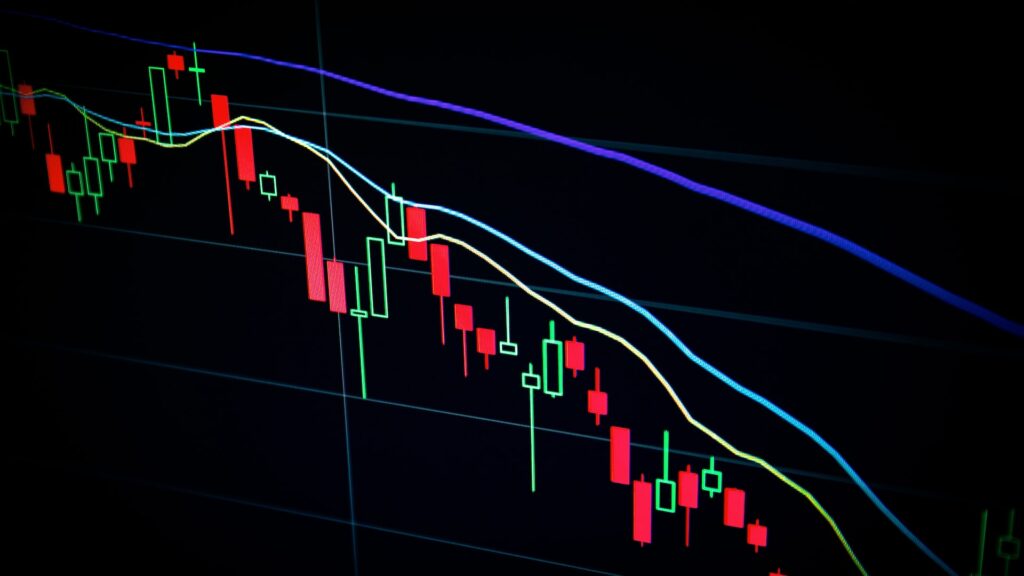
Forex traders use two main types of analysis to make trading decisions: technical analysis and fundamental analysis. Technical analysis involves studying historical price patterns, chart patterns, and indicators to predict future price movements. Fundamental analysis, on the other hand, focuses on economic indicators, central bank policies, and geopolitical events to evaluate the intrinsic value of currencies. Both types of analysis are important and can be used together to make informed trading decisions.
6. Risk Management
Risk management is a critical aspect of forex trading. It involves implementing strategies to protect your trading capital and minimize potential losses. This can include setting stop-loss orders to automatically exit a trade if it reaches a certain level of loss, diversifying your portfolio by trading different currency pairs, and avoiding overexposure to a single trade. Developing a solid risk management plan is essential for long-term success in forex trading.
Conclusion
Understanding the basics of forex trading is crucial for beginners who are looking to enter the market. By grasping concepts such as the forex market, currency pairs, bid and ask prices, leverage and margin, technical and fundamental analysis, and risk management, beginners can lay a strong foundation for their trading journey. Remember to continue learning, practicing, and adapting your strategies as you gain experience in the exciting world of forex trading.