What Steps Should a Beginner Take to Start Forex Trading?
Forex trading, also known as foreign exchange trading, can be an exciting and potentially profitable venture. However, for beginners, it is important to approach forex trading with the right knowledge and preparation. In this article, we will discuss the essential steps that beginners should take to start their forex trading journey:
Section 1: Educate Yourself
Before diving into forex trading, beginners should take the time to educate themselves about the market and its intricacies:
Subsection 1.1: Learn the Basics
Start by understanding the fundamental concepts of forex trading. Learn about currency pairs, exchange rates, and how the forex market operates. Familiarize yourself with common trading terms and concepts such as pips, lots, and leverage.
Subsection 1.2: Study Market Analysis
Market analysis is crucial for making informed trading decisions. Beginners should learn about the two main types of analysis: technical analysis and fundamental analysis. Technical analysis involves studying price charts and indicators, while fundamental analysis focuses on economic and political factors that influence currency values. Gain a solid understanding of both approaches.
Section 2: Choose a Reliable Broker
Selecting a reputable forex broker is a critical step for beginners. Consider the following factors when choosing a broker:
Subsection 2.1: Regulation and Security
Ensure that the broker is regulated by a recognized financial authority. Regulation helps protect your funds and ensures that the broker operates ethically. Additionally, check for secure encryption protocols to safeguard your personal and financial information.
Subsection 2.2: Trading Platform
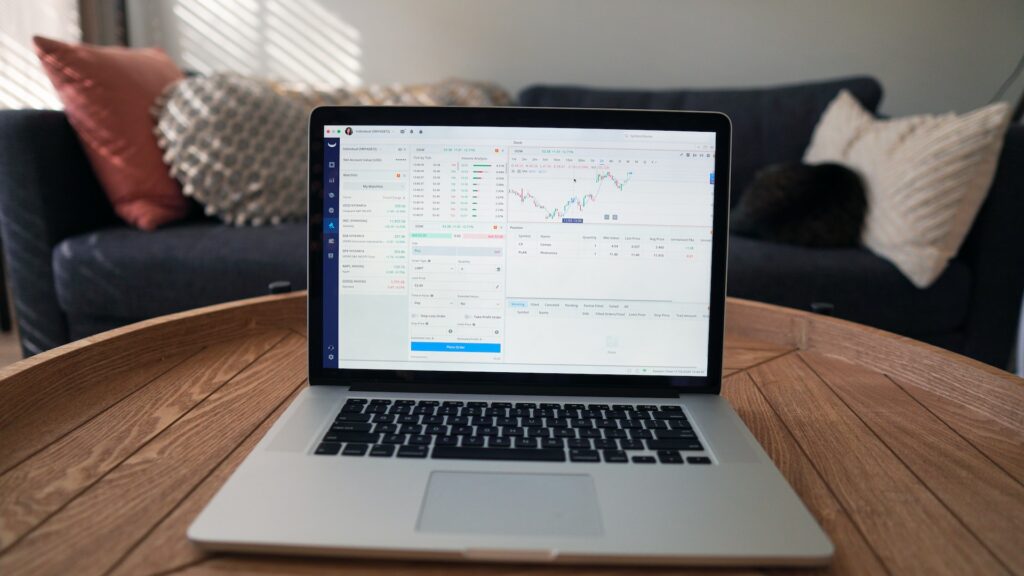
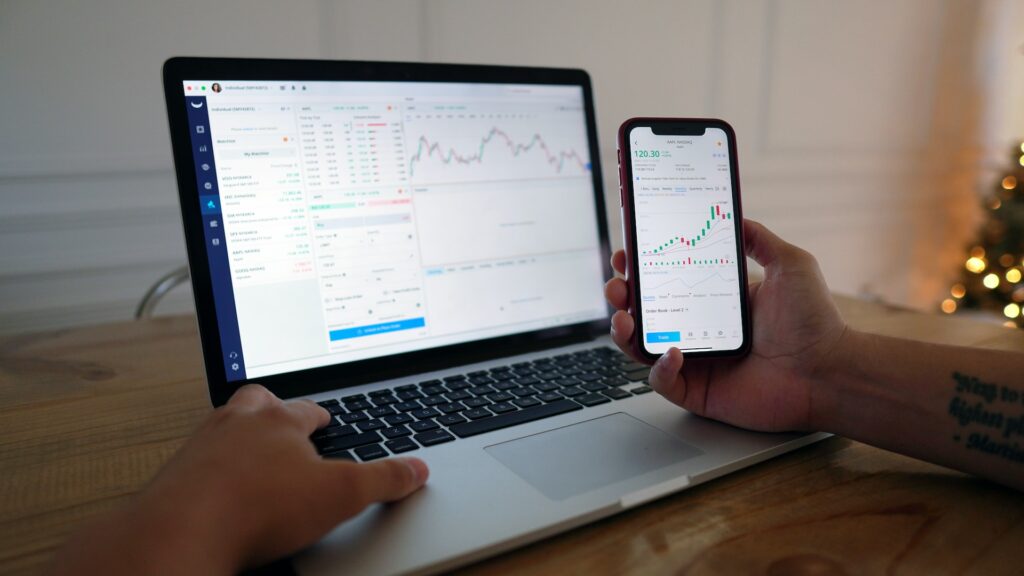
Evaluate the broker’s trading platform. It should be user-friendly, stable, and equipped with essential features such as real-time charts, order execution options, and risk management tools. Test the platform’s demo account to get a feel for its functionality.
Section 3: Open a Trading Account
Once you have chosen a broker, it’s time to open a trading account:
Subsection 3.1: Choose an Account Type
Brokers typically offer different types of accounts, such as standard accounts, mini accounts, or micro accounts. Consider your risk tolerance, trading capital, and desired trading volume when selecting the account type that suits you best.
Subsection 3.2: Complete the Registration Process
Follow the broker’s registration process, which usually involves providing personal information and verifying your identity. Take note of any required documents, such as proof of address or identification, and ensure you comply with the broker’s requirements.
Section 4: Develop a Trading Plan
A trading plan is essential for beginners to outline their trading goals and strategies:
Subsection 4.1: Set Realistic Goals
Define your financial goals and the timeframe in which you aim to achieve them. Be realistic and avoid setting overly ambitious targets. Setting achievable goals helps you stay motivated and focused.
Subsection 4.2: Define Risk Management Strategies
Establish risk management rules to protect your capital. Determine your risk tolerance, set stop-loss orders to limit potential losses, and decide on your position sizing strategy. Consistently following risk management practices is crucial for long-term success in forex trading.
Section 5: Start Trading with a Demo Account
Before risking real money, beginners should practice trading with a demo account:
Subsection 5.1: Familiarize Yourself with the Platform
Use the demo account to become comfortable with the trading platform. Experiment with different order types, charting tools, and indicators. Practice executing trades and managing positions.
Subsection 5.2: Test Your Strategies
Utilize the demo account to test your trading strategies and refine your approach. Monitor your performance, analyze your trades, and make adjustments as necessary. This practice will help you gain confidence and improve your skills.
Conclusion
Starting forex trading as a beginner requires careful planning and preparation. By educating yourself about the market, choosing a reliable broker, opening a trading account, developing a trading plan, and practicing with a demo account, you can lay the foundation for a successful forex trading journey. Remember to approach trading with discipline, patience, and a continuous desire to learn and improve.