How Can I Identify High-Probability Trading Opportunities?
Identifying high-probability trading opportunities is a key skill for successful traders. By focusing on trades with a higher likelihood of success, you can improve your trading performance and maximize your profits. In this blog post, we will discuss several strategies and techniques to help you identify high-probability trading opportunities.
Section 1: Understand Technical Analysis
Subsection 1.1: Learn Price Patterns
Price patterns can provide valuable insights into potential trading opportunities. Learn to recognize common patterns such as triangles, head and shoulders, and double tops or bottoms. These patterns can indicate potential reversals or continuation of trends, providing opportunities to enter trades with a higher probability of success.
Subsection 1.2: Use Technical Indicators
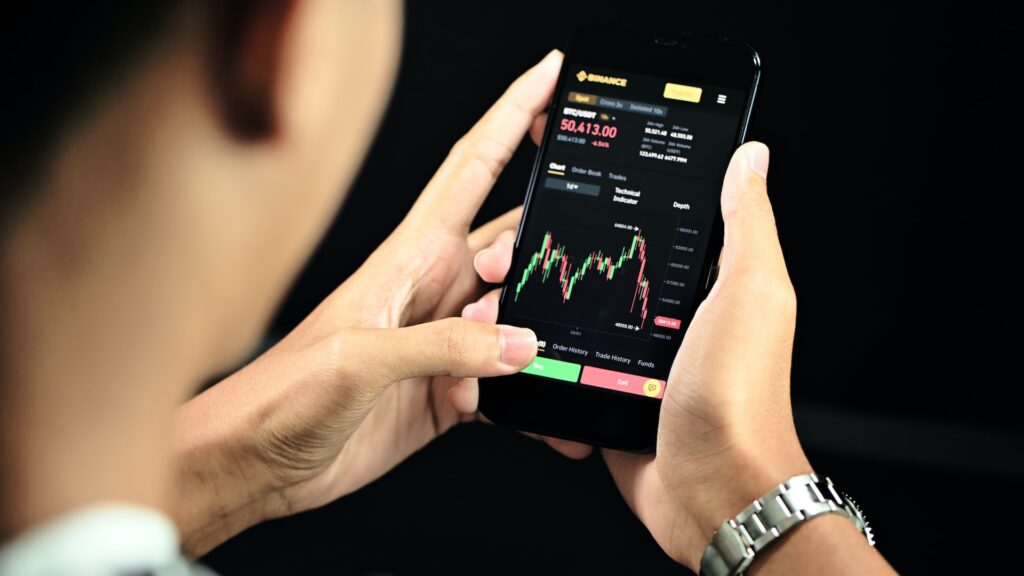
Technical indicators are mathematical calculations based on historical price and volume data. They can help you identify potential entry and exit points for trades. Some popular indicators include moving averages, relative strength index (RSI), and stochastic oscillators. Experiment with different indicators to find the ones that work best for your trading strategy.
Section 2: Analyze Market Fundamentals
Subsection 2.1: Stay Informed
Keep up-to-date with market news and economic events that can impact the financial markets. News releases, central bank decisions, and geopolitical events can create trading opportunities. Understand how these events affect different currencies, commodities, or stocks, and use this knowledge to identify high-probability trades.
Subsection 2.2: Economic Indicators
Economic indicators, such as gross domestic product (GDP), inflation rates, and employment data, can provide insights into the health of an economy. Understand how different indicators influence the financial markets and use them as part of your trading analysis. For example, positive economic data may indicate a potential uptrend in a currency, presenting a high-probability trading opportunity.
Section 3: Risk Management and Money Management
Subsection 3.1: Set Risk-Reward Ratios
Before entering a trade, determine your risk-reward ratio. This ratio represents the potential profit compared to the potential loss of a trade. Aim for trades with a higher potential reward than risk. By maintaining a positive risk-reward ratio, you can increase the probability of profitable trades over the long term.
Subsection 3.2: Use Stop-Loss Orders
Implementing stop-loss orders is crucial for managing risk in trading. A stop-loss order automatically closes a trade if the price reaches a predetermined level, limiting potential losses. By setting appropriate stop-loss levels based on your risk tolerance and the market conditions, you can protect your capital and focus on high-probability trades.
Section 4: Analyze Historical Data and Backtest
Subsection 4.1: Historical Price Analysis
Analyze historical price data to identify patterns and trends that have resulted in profitable trades in the past. Look for recurring patterns or setups that have a high success rate. This analysis can help you identify high-probability trading opportunities based on historical market behavior.
Subsection 4.2: Backtesting
Backtesting involves applying your trading strategy to historical market data to assess its performance. By simulating trades using past data, you can evaluate the effectiveness of your strategy and identify any areas for improvement. Backtesting allows you to fine-tune your strategy and increase the probability of success in future trades.
Section 5: Conclusion
Identifying high-probability trading opportunities requires a combination of technical analysis, fundamental analysis, risk management, and historical data analysis. By understanding price patterns, using indicators, staying informed about market fundamentals, managing risk effectively, and analyzing historical data, you can increase your chances of finding trades with a higher probability of success. Remember to always practice proper risk management and continuously refine your trading strategy based on market conditions and your own trading experiences.