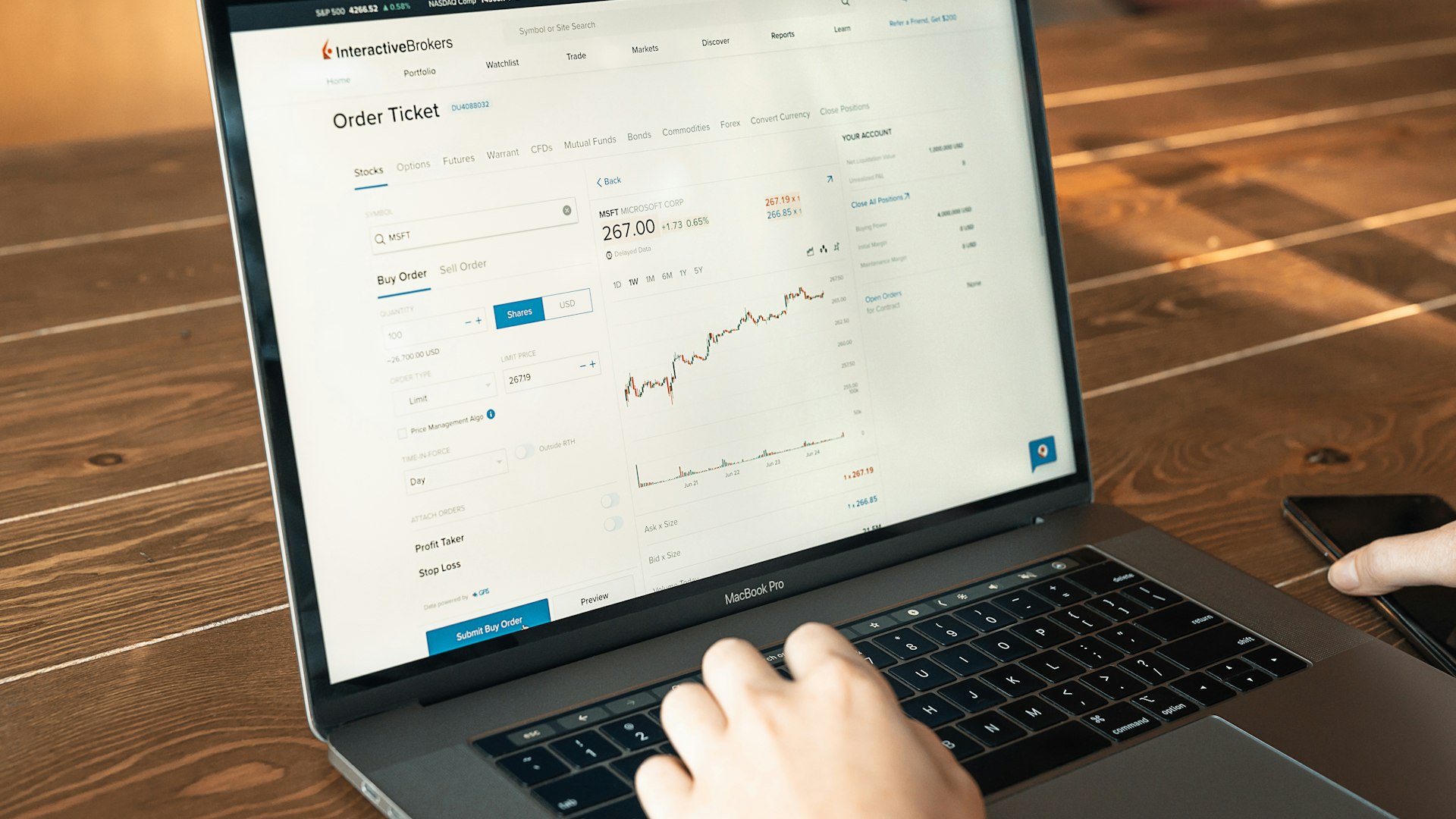
How Personal Timeframes Influence Successful Forex Trading
Personal timeframes play a crucial role in determining the success of forex trading. The timeframe you choose can significantly impact your trading strategy, risk management, and overall profitability. In this blog post, we will explore the importance of personal timeframes in forex trading and how they can influence your trading decisions. Let’s dive in!
Section 1: Understanding Timeframes in Forex Trading
Subsection 1.1: What are Timeframes?
Timeframes in forex trading refer to the length of time represented by each candlestick or bar on a price chart. Traders can choose from various timeframes, ranging from seconds to years, depending on their trading style and objectives. Each timeframe provides a different perspective on market movements and helps traders identify trends and patterns.
Subsection 1.2: Commonly Used Timeframes
Forex traders commonly use several timeframes to analyze the market. These include:
- Short-term timeframes: These include intraday timeframes such as 1-minute, 5-minute, and 15-minute charts. Traders using short-term timeframes focus on quick profits and rapid price movements.
- Medium-term timeframes: These include hourly, 4-hour, and daily charts. Traders using medium-term timeframes aim to capture trends that last several hours to a few days.
- Long-term timeframes: These include weekly, monthly, and yearly charts. Traders using long-term timeframes focus on identifying major trends and holding positions for weeks, months, or even years.
Section 2: Aligning Timeframes with Trading Goals
Subsection 2.1: Define Your Trading Goals
Before selecting a timeframe, it is crucial to define your trading goals. Are you looking for quick profits from short-term trades, or are you more interested in long-term wealth accumulation? Understanding your objectives will help you choose a timeframe that aligns with your goals and trading style.
Subsection 2.2: Matching Timeframes with Trading Strategies
Each trading strategy is best suited to specific timeframes. For example, day traders who aim to capitalize on short-term price fluctuations are more likely to use short-term timeframes such as 1-hour or 15-minute charts. On the other hand, swing traders who hold positions for several days may prefer medium-term timeframes like daily or 4-hour charts. Aligning your trading strategy with an appropriate timeframe is crucial for maximizing trading opportunities.
Section 3: Timeframes and Risk Management
Subsection 3.1: Impact on Risk Exposure
The choice of timeframe can impact your risk exposure in forex trading. Short-term timeframes tend to have more volatile price movements, which can result in larger price swings and increased risk. On the other hand, longer-term timeframes generally exhibit smoother price trends, reducing the potential for sudden market fluctuations and minimizing risk exposure.
Subsection 3.2: Timeframes and Stop-Loss Placement
Stop-loss orders are essential risk management tools that help limit potential losses in forex trading. The placement of stop-loss orders can vary depending on the chosen timeframe. Traders using shorter timeframes may need to set tighter stop-loss levels to account for the increased volatility, while those using longer timeframes may set wider stop-loss levels to allow for more significant price fluctuations.
Section 4: Psychological Considerations
Subsection 4.1: Timeframes and Trading Psychology
Personal timeframes can significantly influence trading psychology. Traders who are more comfortable with shorter timeframes may find it challenging to hold positions for an extended period. Conversely, traders who prefer longer timeframes may experience impatience or anxiety when faced with short-term price movements. Understanding your psychological tendencies and aligning them with an appropriate timeframe can help improve trading discipline and decision-making.
Section 5: Conclusion
Personal timeframes play a vital role in forex trading success. By choosing the right timeframe, you can align your trading strategy with your goals and risk tolerance. Consider the impact of timeframes on risk management and trading psychology. Remember, there is no one-size-fits-all approach, and it may take time to find the timeframe that works best for you. Continuously evaluate and adapt your timeframe as your trading skills and objectives evolve. Happy trading!