Introduction to Forex Trading Strategies
Subsection 1.1: Understanding Forex Trading
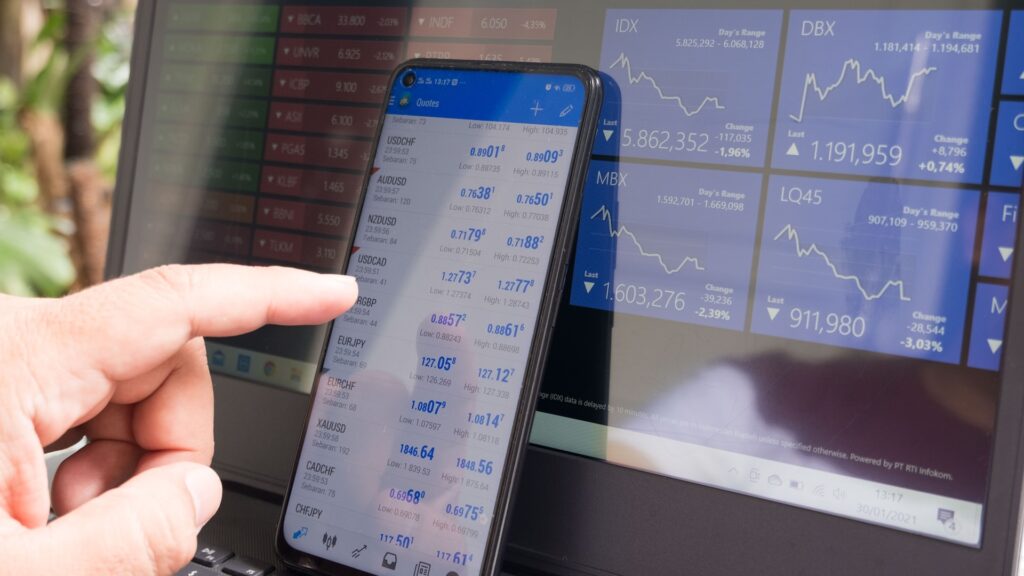
Forex trading, also known as foreign exchange trading, involves buying and selling currencies with the aim of profiting from the fluctuations in exchange rates. Traders analyze economic indicators, market trends, and other factors to predict currency movements and execute trades accordingly. Forex trading strategies serve as a roadmap for traders, providing guidelines on when and how to enter or exit trades.
Section 2: Fundamental Trading Strategies
Subsection 2.1: Economic News Trading
One popular forex trading strategy is based on trading around economic news and events. Traders closely monitor economic indicators, such as GDP, employment data, and central bank announcements, and take positions based on the anticipated impact of these events on currency values. By analyzing the market sentiment and reacting quickly to news releases, traders can capitalize on short-term price fluctuations.
Subsection 2.2: Carry Trading
Carry trading is a strategy that takes advantage of interest rate differentials between currencies. Traders borrow a currency with a low interest rate and use the proceeds to buy a currency with a higher interest rate. By holding the higher-interest-rate currency, traders aim to earn interest rate differentials over time. This strategy requires careful consideration of interest rate policies, risk management, and potential currency movements.
Section 3: Technical Trading Strategies
Subsection 3.1: Trend Following
Trend following is a popular strategy in forex trading, where traders aim to identify and ride market trends. This strategy involves analyzing historical price data, chart patterns, and technical indicators to determine the direction of the market. Traders enter positions in line with the prevailing trend and exit when the trend shows signs of reversal. Trend following requires discipline, risk management, and the ability to spot reliable trends in the market.
Subsection 3.2: Breakout Trading
Breakout trading involves identifying key levels of support and resistance and taking positions when the price breaks out of these levels. Traders carefully monitor price patterns and volume to anticipate potential breakouts. This strategy aims to take advantage of significant price movements that often occur after periods of consolidation. Breakout trading requires patience, risk management, and the ability to identify reliable breakout signals.
Section 4: Risk Management and Psychology
Subsection 4.1: Risk Management
Risk management is a crucial aspect of any forex trading strategy. Traders need to define their risk tolerance, set appropriate stop-loss levels, and determine position sizes to protect their capital. By employing proper risk management techniques, traders can minimize losses and preserve their trading capital, even during unfavorable market conditions.
Subsection 4.2: Trader Psychology
Successful forex trading also relies on understanding and managing trader psychology. Emotions such as fear and greed can cloud judgment and lead to impulsive trading decisions. Traders need to develop discipline, patience, and a rational mindset to avoid emotional pitfalls. Implementing a trading plan and sticking to it can help traders overcome psychological biases and make consistent, rational trading decisions.
Section 5: Conclusion
Forex trading offers ample opportunities for traders to profit from currency price movements. By employing effective forex trading strategies, traders can enhance their chances of success. Whether it’s fundamental strategies based on economic news or technical strategies focused on price patterns, traders should choose a strategy that aligns with their trading style, risk tolerance, and market understanding. Additionally, proper risk management and psychological discipline are essential for long-term success in forex trading.