How Does Forex Trading Impact the Global Economy?
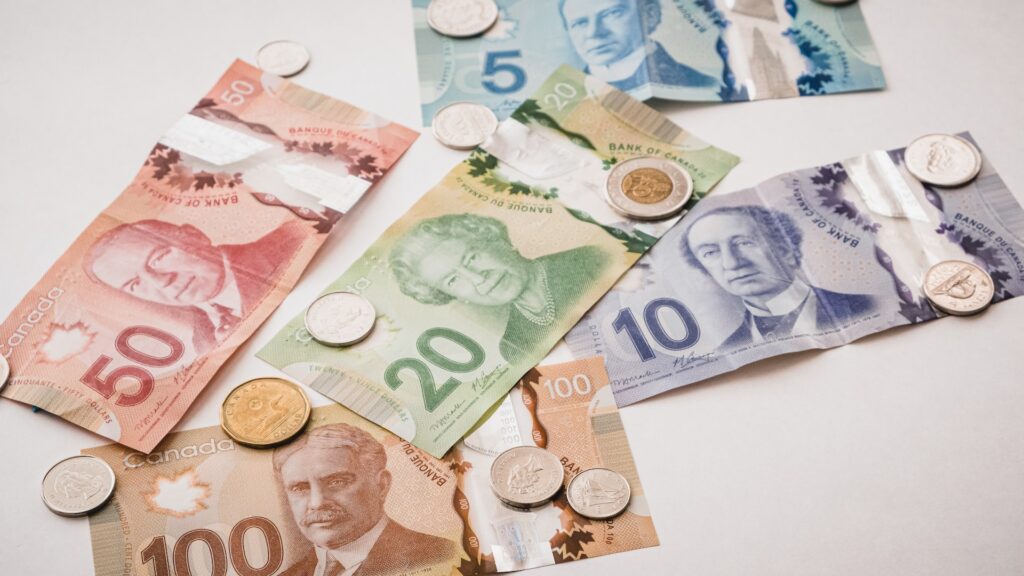
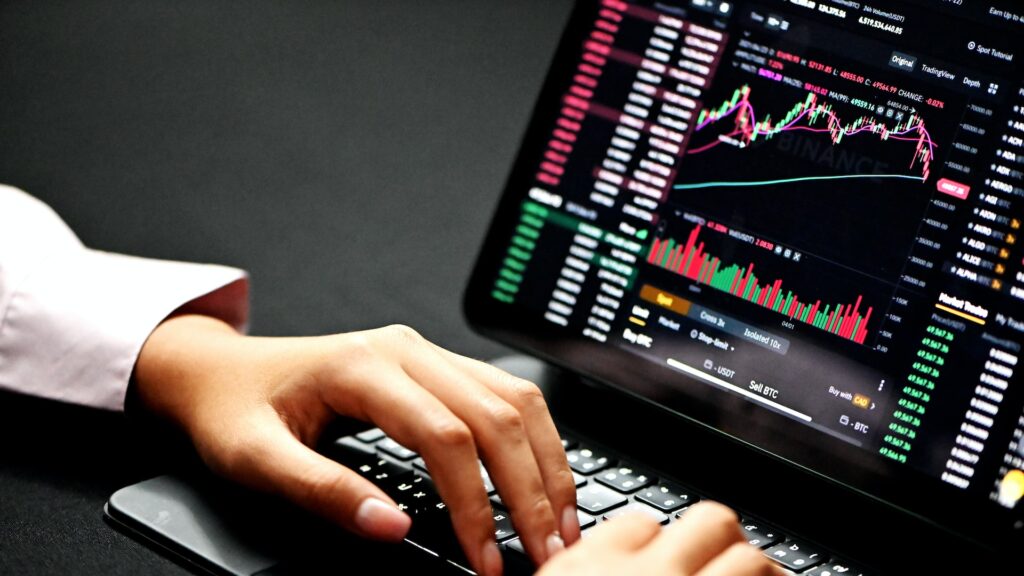
Forex trading, also known as foreign exchange trading, is the buying and selling of currencies in the global marketplace. While it may seem like a niche financial activity, forex trading has a significant impact on the global economy. In this blog post, we will explore how forex trading influences various aspects of the global economy and the interconnectedness between the two.
1. Currency Exchange Rates and Trade
1.1 Determining Exchange Rates
Forex trading plays a crucial role in determining currency exchange rates. As traders buy and sell currencies, the demand and supply dynamics in the forex market affect the relative value of different currencies. Exchange rates, in turn, have a direct impact on international trade. Fluctuations in exchange rates can make exports cheaper or more expensive, influencing the competitiveness of a country’s goods and services in the global market.
1.2 Impact on Importers and Exporters
Forex trading affects both importers and exporters. Importers rely on forex markets to exchange their local currency for foreign currencies required to pay for imported goods and services. Fluctuations in exchange rates can significantly impact import costs, affecting the profitability and pricing of imported products. Exporters, on the other hand, benefit from favorable exchange rates as it makes their goods and services more affordable for foreign buyers.
2. Capital Flows and Investment
2.1 Attracting Foreign Investment
Forex trading can impact a country’s ability to attract foreign investment. A stable and strong currency is often seen as an indicator of a stable economy, which can attract foreign investors seeking long-term growth opportunities. On the other hand, a weak currency can make investments in a country more attractive, as foreign investors can purchase assets at a lower cost. The flow of foreign investment can have a significant impact on a country’s economic growth, job creation, and overall prosperity.
2.2 Capital Flight and Economic Stability
Forex trading can also lead to capital flight, which occurs when investors rapidly sell off their investments in a particular country and move their capital to other, potentially safer, markets. This can happen during times of economic uncertainty or political instability. Capital flight can have detrimental effects on a country’s economy, leading to currency depreciation, reduced investment, and economic instability.
3. Central Bank Interventions
3.1 Managing Currency Stability
Central banks play a crucial role in forex trading to maintain stable currency values. Central banks can intervene in the forex market by buying or selling their country’s currency to influence its value. They may do this to stabilize the currency during periods of excessive volatility or to adjust the exchange rate to support their country’s export competitiveness. These interventions can have a significant impact on the forex market and the overall economy.
3.2 Controlling Inflation and Interest Rates
Forex trading can also influence a country’s inflation and interest rates. Central banks may adjust interest rates to control inflation or stimulate economic growth. However, exchange rate fluctuations can impact inflation as well. For example, if a country’s currency weakens, it may lead to higher import costs, potentially increasing inflation. Central banks closely monitor forex markets and factor in exchange rate movements when formulating monetary policies.
4. Speculation and Financial Market Volatility
4.1 Impact of Speculative Trading
Forex trading involves speculative trading activities where traders aim to profit from short-term currency price movements. Speculation can introduce volatility and liquidity to the forex market, which can have spillover effects on other financial markets. Sudden currency fluctuations can impact asset prices, including stocks, bonds, and commodities, leading to market volatility and increased risk for investors.
4.2 Global Financial Market Interconnectivity
Forex trading is closely intertwined with other financial markets. Changes in forex rates can impact the profitability and competitiveness of multinational corporations, commodity prices, and even the stability of financial institutions. The global nature of forex trading means that economic events in one country can quickly spread and impact economies worldwide, highlighting the interconnectedness of the global economy.
Conclusion
Forex trading plays a vital role in shaping the global economy. It influences currency exchange rates, which, in turn, impact international trade and the competitiveness of nations. Forex trading affects capital flows, attracting or repelling foreign investment and affecting a country’s economic stability. Central banks intervene in forex markets to manage currency stability, control inflation, and regulate interest rates. Speculation in forex trading can introduce market volatility and interconnectivity with other financial markets. Understanding the impact of forex trading on the global economy is crucial for policymakers, businesses, and investors to navigate the complexities of the modern financial landscape.