How Can I Master the Identification of Forex Chart Patterns?
Mastering the identification of forex chart patterns is a valuable skill for traders looking to make informed decisions in the foreign exchange market. Chart patterns provide visual representations of price movements, offering insights into potential trends and trading opportunities. In this blog post, we will explore strategies and tips to help you become proficient in identifying forex chart patterns.
1. Study the Different Chart Patterns
To master the identification of forex chart patterns, start by studying the various patterns that commonly occur in the market. Some well-known patterns include triangles, double tops and bottoms, head and shoulders, and flags. Familiarize yourself with the characteristics and formation rules of each pattern. There are numerous online resources, books, and courses available that provide comprehensive explanations and examples of different chart patterns.
2. Analyze Historical Price Charts
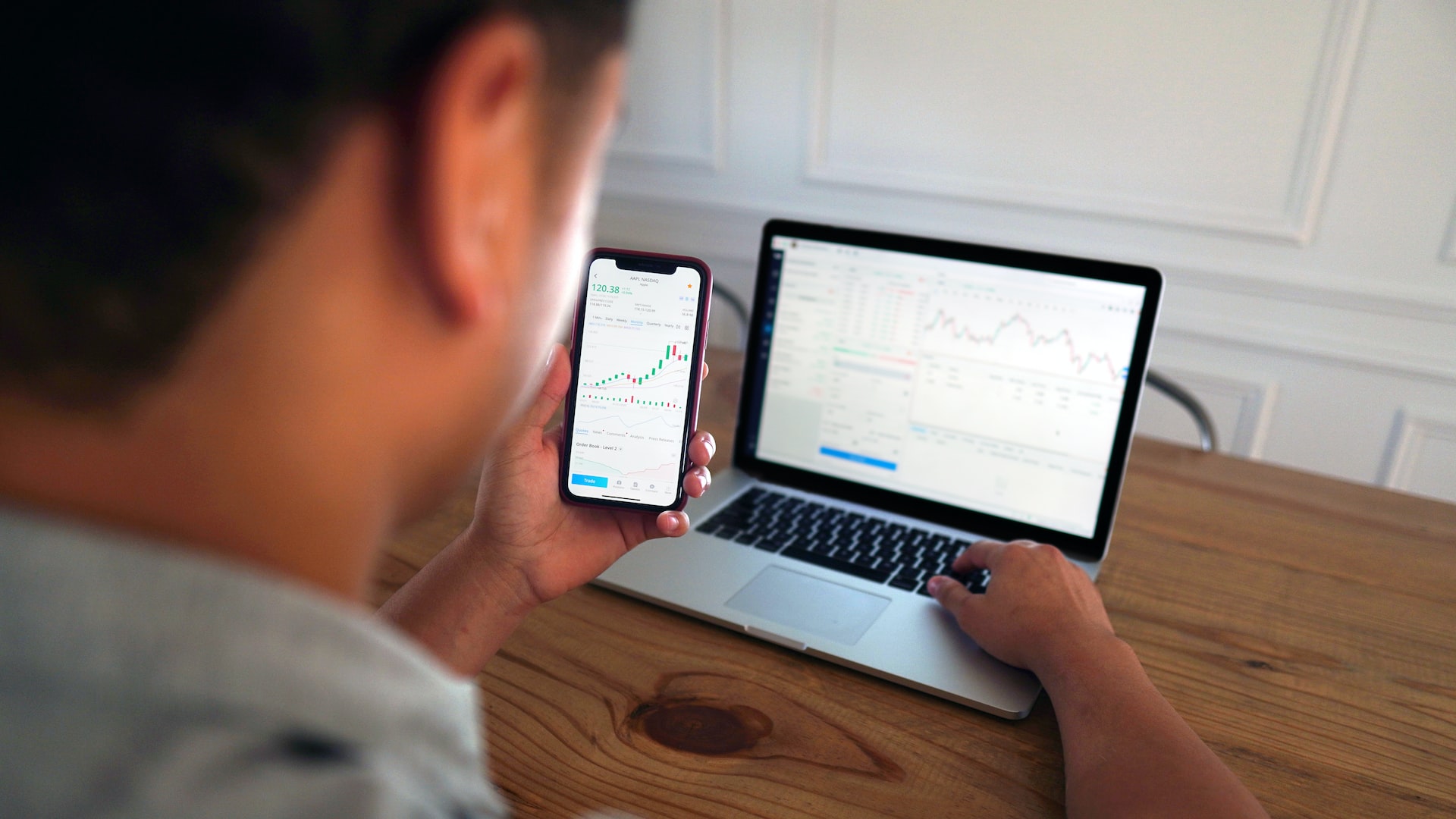
Analyzing historical price charts is a crucial step in mastering chart pattern identification. By studying past price movements, you can train your eye to recognize patterns in real-time trading. Look for instances where chart patterns have formed and observe how they played out. Identify the key features and indicators that confirm the presence of a pattern. Regularly practicing pattern recognition on historical price charts will help you develop a trained eye for identifying patterns in live trading.
3. Use Technical Analysis Tools
Technical analysis tools can greatly assist in identifying forex chart patterns. Utilize tools such as trend lines, support and resistance levels, moving averages, and oscillators. These tools can help you draw lines and indicators on price charts, highlighting potential chart patterns. Additionally, technical analysis tools can provide confirmation signals and help you validate the presence of a pattern. Experiment with different tools and find the ones that work best for your analysis.
4. Combine Multiple Timeframes
Examining price charts across multiple timeframes can provide a more comprehensive view of chart patterns. What may appear as a small pattern on a shorter timeframe could be part of a larger pattern on a higher timeframe. By combining multiple timeframes, you can identify patterns with more clarity and accuracy. Analyzing charts on different timeframes allows you to capture the broader market context and make more informed trading decisions.
5. Practice Pattern Recognition
Practice is essential in mastering the identification of forex chart patterns. Regularly expose yourself to live price charts and actively search for patterns. Set aside dedicated time to practice pattern recognition and analyze current market conditions. The more you practice, the more proficient you will become at spotting patterns quickly and accurately. Continuously challenge yourself by studying new charts and seeking patterns in various currency pairs.
6. Stay Updated and Learn from Experts
The forex market is dynamic, and new patterns can emerge over time. Stay updated with the latest market developments and learn from expert traders. Follow reputable financial news sources, join trading communities, and attend webinars or workshops. Engaging with the trading community allows you to gain insights and learn from experienced traders who have mastered the art of identifying chart patterns.
Conclusion
Mastering the identification of forex chart patterns is a skill that requires dedication, practice, and continuous learning. By studying different patterns, analyzing historical price charts, using technical analysis tools, combining multiple timeframes, practicing pattern recognition, and staying updated with market trends, you can enhance your ability to identify chart patterns effectively. Remember, chart patterns should always be used in conjunction with other forms of analysis and risk management strategies. With time and experience, you can become proficient in identifying forex chart patterns and use them to make informed trading decisions.