

Introduction
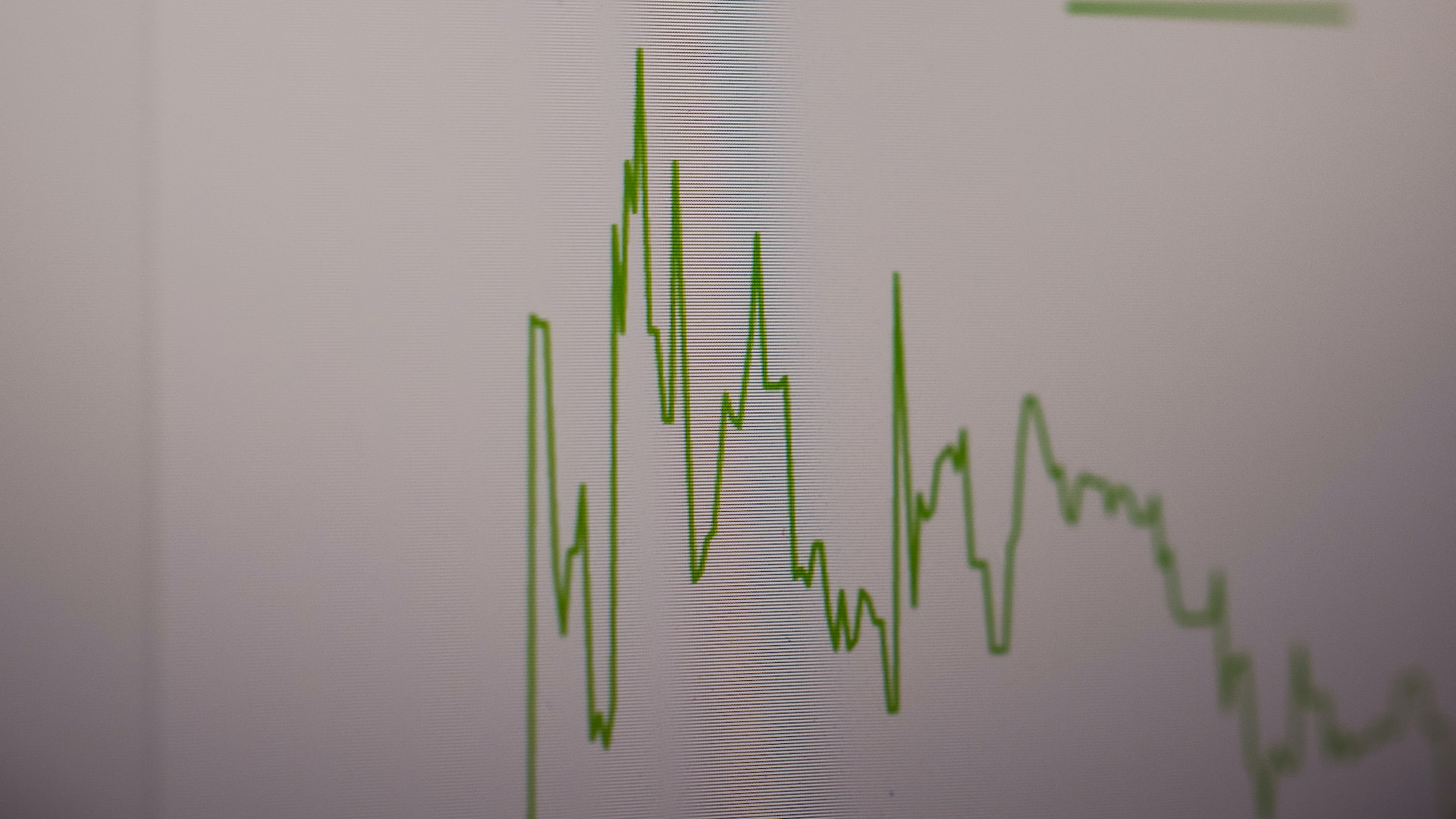
Live forex charts provide real-time information about currency pairs, allowing traders to track price movements and make trading decisions. However, it is essential to assess the reliability of these charts before basing trading decisions solely on them. In this blog post, we will explore the reliability of live forex charts for making trading decisions, discussing their benefits, limitations, and strategies to maximize their effectiveness.
1. Real-Time Market Information
Live forex charts offer real-time market information, enabling traders to stay updated with the latest price movements, trends, and volatility. This up-to-date data is valuable for identifying trading opportunities and reacting quickly to market changes. Traders can use live charts to monitor currency pairs, set price alerts, and execute trades at optimal entry and exit points. The real-time nature of live forex charts enhances the timeliness and accuracy of trading decisions.
2. Technical Analysis and Patterns
Live forex charts are widely used for technical analysis, which involves studying historical price data to predict future price movements. Traders can apply various technical indicators, chart patterns, and trendlines to live charts to identify potential trading signals. By recognizing patterns and using technical analysis tools, traders can make informed decisions on when to buy or sell a currency pair. However, it is important to note that technical analysis is not foolproof and should be complemented with other forms of analysis.
3. Limitations of Live Forex Charts
While live forex charts provide valuable information, they have certain limitations that traders should be aware of. Firstly, live charts can be affected by market noise and short-term fluctuations, making it challenging to differentiate between genuine trends and temporary price movements. Secondly, technical analysis solely based on live charts may not consider fundamental factors, such as economic news or geopolitical events, which can significantly impact currency movements. Traders should use a combination of technical and fundamental analysis for a more comprehensive view.
4. Strategies to Maximize Effectiveness
To maximize the effectiveness of live forex charts for trading decisions, traders can implement the following strategies:
4.1. Multiple Timeframe Analysis
Traders can analyze live charts across multiple timeframes to gain a broader perspective on market trends. By assessing short-term, medium-term, and long-term charts, traders can identify potential trading opportunities and confirm signals across different timeframes.
4.2. Confirmation from Other Indicators
Traders should seek confirmation from other indicators or tools when making trading decisions solely based on live charts. This can include using additional technical indicators, considering fundamental analysis, or consulting other reliable sources of market information.
4.3. Risk Management
Implementing proper risk management strategies is crucial when relying on live charts for trading decisions. Traders should set appropriate stop-loss and take-profit levels, manage position sizes, and adhere to risk-reward ratios to protect their capital and minimize potential losses.
Conclusion
Live forex charts are valuable tools for making trading decisions, providing real-time market information and enabling technical analysis. However, traders should be mindful of their limitations and use them in conjunction with other forms of analysis. By considering multiple timeframes, seeking confirmation from other indicators, and implementing effective risk management strategies, traders can enhance the reliability and effectiveness of live forex charts in their trading decisions.