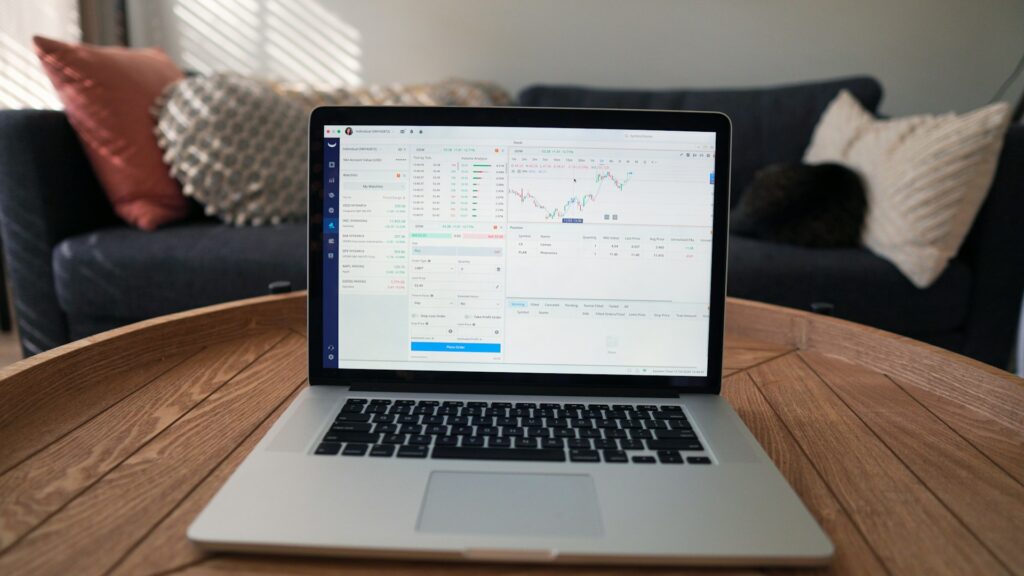
Introduction to Forex Trading
Forex trading education provides individuals with a solid introduction to the forex market. You will learn the basics of currency trading, including how currencies are bought and sold, the concept of currency pairs, and the factors that influence exchange rates. This foundational knowledge is essential for anyone looking to embark on a successful trading journey.
1.2 Market Dynamics and Analysis
Forex trading education goes beyond the basics and delves into the dynamics of the market. You will gain insights into market participants, such as banks, institutions, and retail traders, and understand how their actions impact price movements. Additionally, you will learn about various analysis techniques, including technical analysis and fundamental analysis, which can help you make informed trading decisions.
2. Developing Essential Trading Skills
2.1 Technical Analysis
Forex trading education emphasizes the importance of technical analysis, which involves studying price charts, patterns, and indicators to identify potential trading opportunities. You will learn how to recognize trends, interpret chart patterns, and use indicators effectively. Technical analysis skills are crucial for identifying entry and exit points and managing risk in the forex market.
2.2 Fundamental Analysis
In addition to technical analysis, forex trading education covers fundamental analysis. This involves evaluating economic indicators, central bank policies, and geopolitical factors to assess currency value. Understanding fundamental analysis helps you make trading decisions based on economic events and news releases, enabling a well-rounded approach to trading.
3. Risk Management and Emotional Control
3.1 Effective Risk Management
Forex trading education emphasizes the importance of effective risk management. You will learn strategies for setting stop-loss orders, calculating position sizes based on risk tolerance, and implementing risk-reward ratios. These risk management techniques help protect your capital and minimize potential losses, ensuring long-term sustainability in your trading endeavors.
3.2 Emotional Control
Emotional control is another crucial aspect of forex trading education. You will learn how to manage emotions such as fear and greed, which can cloud judgment and lead to impulsive trading decisions. Developing emotional control helps you stay disciplined, stick to your trading plan, and make rational decisions based on analysis rather than emotions.
4. Access to Expert Guidance and Support
4.1 Mentorship and Feedback
Enrolling in a forex trading education program provides access to expert guidance and mentorship. Experienced traders and instructors can offer valuable insights, provide feedback on your trading strategies, and address any questions or concerns you may have. This personalized guidance can accelerate your learning curve and help you avoid common pitfalls in forex trading.
4.2 Community and Networking
Forex trading education often fosters a sense of community among participants. Engaging with fellow traders can provide opportunities for networking, sharing experiences, and learning from each other’s successes and failures. Being part of a supportive community can provide ongoing motivation, accountability, and a platform for exchanging ideas and strategies.
Conclusion
Forex trading education plays a vital role in equipping individuals with the knowledge, skills, and mindset necessary for success in the forex market. By understanding the market dynamics, developing essential trading skills, managing risks effectively, and accessing expert guidance and support, you enhance your chances of achieving profitable trading outcomes. Remember, investing in forex trading education is an investment in your own growth and future success as a forex trader.