How Can a Beginner Get Started with Forex Trading?
Forex trading, also known as foreign exchange trading, can be an exciting and potentially profitable venture for beginners. However, stepping into the forex market without proper knowledge and preparation can be risky. In this blog post, we will guide you through the essential steps to get started with forex trading as a beginner.
1. Educate Yourself about Forex Trading
Before diving into forex trading, it’s crucial to gain a solid understanding of the market and its dynamics. Familiarize yourself with basic concepts such as currency pairs, exchange rates, and market participants. Learn about fundamental analysis, technical analysis, risk management, and trading psychology. There are various resources available, including online courses, books, and educational platforms, that can help you learn the fundamentals of forex trading.
2. Choose a Reliable Forex Broker
Selecting a reputable forex broker is essential to ensure a safe and smooth trading experience. Consider factors such as regulation, trading platform features, customer support, and transaction costs when choosing a broker. Look for brokers that are regulated by recognized authorities and offer user-friendly platforms with essential tools and indicators.
3. Open a Demo Account
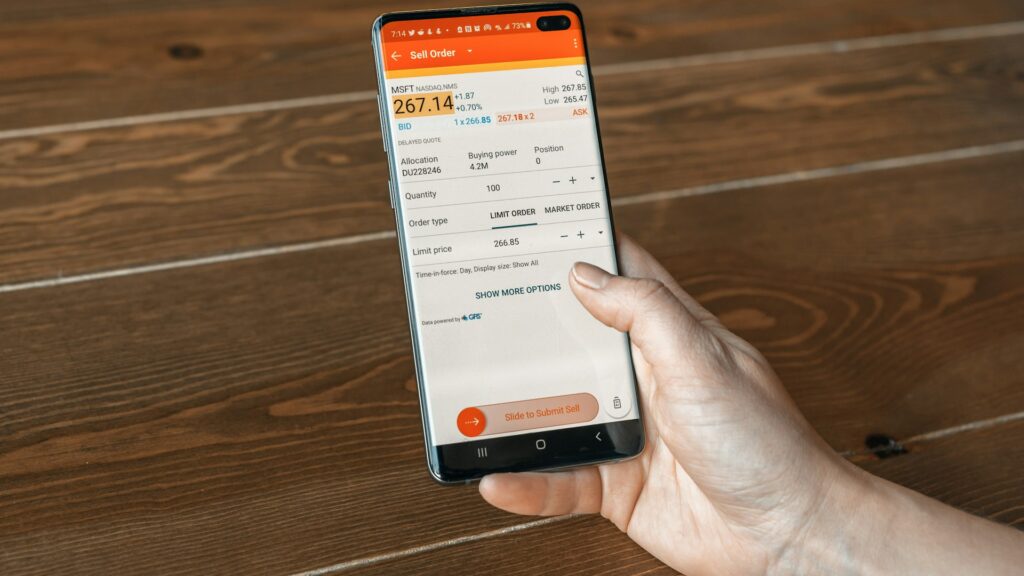
Most forex brokers provide demo accounts, which allow you to practice trading with virtual money. Opening a demo account is an excellent way for beginners to familiarize themselves with the trading platform and test different strategies without risking real money. Use this opportunity to learn how to execute trades, place stop-loss and take-profit orders, and practice risk management techniques.
4. Develop a Trading Plan
Creating a trading plan is crucial for beginners to stay disciplined and make informed trading decisions. Determine your trading goals, risk tolerance, and preferred trading style (such as day trading, swing trading, or position trading). Your trading plan should also include risk management strategies, such as setting stop-loss orders and managing leverage. Regularly review and update your trading plan as you gain experience.
5. Start with Small Positions
As a beginner, it’s advisable to start with small positions and gradually increase your trading size as you gain confidence and experience. Avoid the temptation to invest large sums of money from the beginning. Start with modest amounts that you can afford to lose, as forex trading involves inherent risks. Remember that preserving capital is crucial, especially in the early stages of your trading journey.
6. Practice Patience and Discipline
Forex trading requires patience, discipline, and a long-term perspective. Avoid impulsive trading decisions based on emotions or short-term market fluctuations. Stick to your trading plan and avoid chasing quick profits. Emphasize consistency and focus on building a solid foundation of knowledge and skills. Be prepared for losses and view them as learning opportunities rather than failures.
7. Continuously Learn and Improve
Forex trading is a journey of continuous learning and improvement. Stay updated with market news, economic indicators, and geopolitical events that can impact currency prices. Analyze your trades to identify patterns and areas for improvement. Consider joining trading communities or forums to learn from experienced traders and share insights. Remember that forex trading is a skill that takes time and practice to master.
Conclusion
Getting started with forex trading as a beginner requires thorough education, careful planning, and a disciplined approach. Take the time to learn the basics, choose a reliable broker, and practice on a demo account before risking real money. Develop a trading plan, start with small positions, and prioritize patience and discipline. Remember that forex trading is a continuous learning process, and with time and dedication, you can improve your skills and potentially achieve success in this exciting market.