How Are Advancements in Technology Shaping the Future of Forex Trading?
The forex trading industry has always been at the forefront of technological advancements. With the rapid pace of innovation, advancements in technology are shaping the future of forex trading in profound ways. In this blog post, we will explore how these advancements are transforming the forex trading landscape.
1. Automation and Algorithmic Trading
Automation and algorithmic trading have had a significant impact on the forex market. Advanced algorithms can analyze vast amounts of data, identify patterns, and execute trades automatically. This automation eliminates the need for manual intervention and allows traders to take advantage of market opportunities 24/7. Algorithmic trading strategies can be backtested, optimized, and refined to improve performance. As technology continues to advance, we can expect more sophisticated algorithms and trading strategies to emerge, further shaping the future of forex trading.
2. Artificial Intelligence and Machine Learning
Artificial intelligence (AI) and machine learning (ML) technologies are revolutionizing forex trading. AI-powered systems can analyze and interpret complex market data, news, and social sentiment in real-time, helping traders make more informed decisions. Machine learning algorithms can adapt and learn from historical data, continuously improving their accuracy and performance. These technologies enable traders to gain insights, identify trading opportunities, and manage risk more effectively. As AI and ML continue to evolve, their impact on the forex market will only grow stronger.
3. High-Frequency Trading
High-frequency trading (HFT) has become increasingly prevalent in the forex market. HFT involves the use of powerful computers and algorithms to execute trades at ultra-fast speeds. This technology allows traders to capitalize on small price discrepancies and take advantage of fleeting market opportunities. HFT has significantly increased market liquidity and efficiency. However, it has also raised concerns about fairness and market stability. As regulators adapt to the challenges posed by HFT, we can expect further advancements and regulations to shape its future in forex trading.
4. Cloud Computing and Big Data
Cloud computing and big data technologies have had a profound impact on the forex market. Cloud-based platforms provide traders with access to vast computing power and storage capabilities, allowing for real-time analysis and seamless trade execution. Big data analytics enables traders to process and analyze large volumes of market data, uncover patterns, and generate insights. These technologies empower traders to make data-driven decisions and develop more accurate trading strategies. As the adoption of cloud computing and big data analytics continues to grow, the future of forex trading will become increasingly data-centric.
5. Mobile Trading and Social Networks
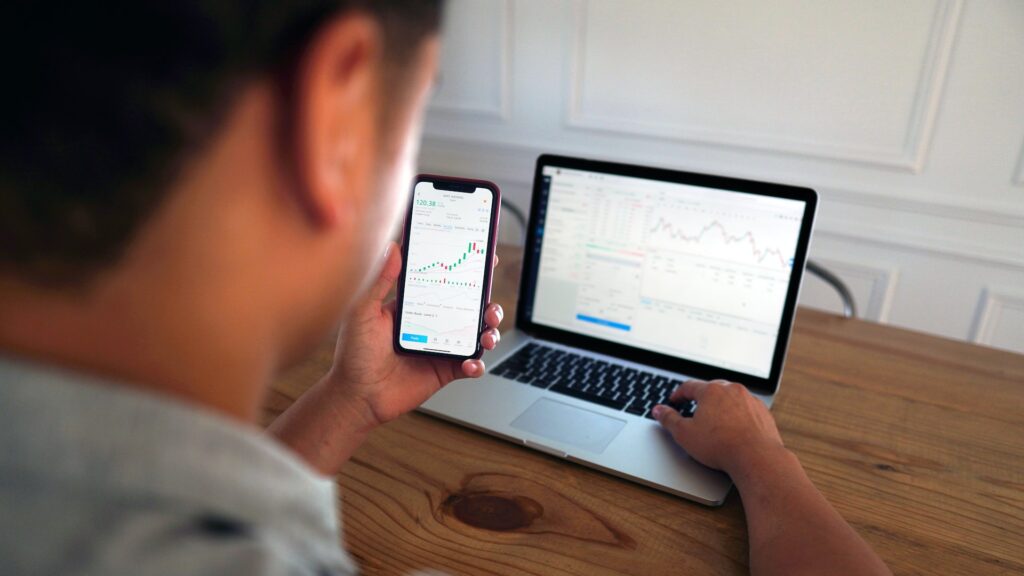
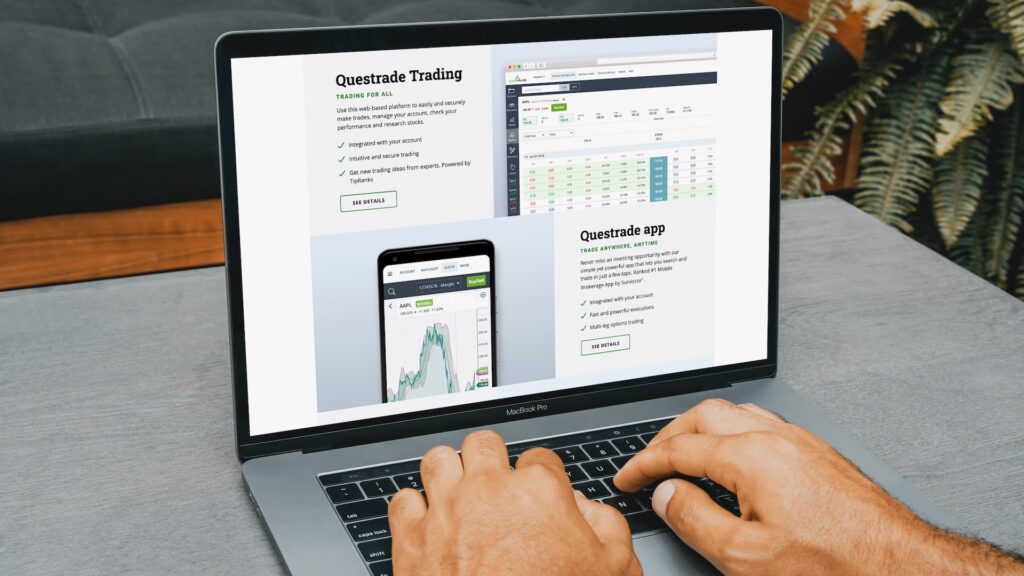
Mobile trading applications and social networks have transformed the way traders engage with the forex market. Mobile trading apps provide traders with the flexibility to monitor markets, execute trades, and manage portfolios on the go. Social trading networks allow traders to connect, share insights, and even copy trades from successful traders. These platforms foster collaboration, learning, and idea sharing, shaping the future of forex trading as a more interconnected and community-driven space.
Conclusion
Advancements in technology are reshaping the future of forex trading in exciting and transformative ways. Automation, algorithmic trading, artificial intelligence, machine learning, high-frequency trading, cloud computing, big data analytics, mobile trading, and social networks are all driving innovation and pushing the boundaries of what is possible in the forex market. Traders who embrace these advancements and stay ahead of the technological curve will be well-positioned to thrive in the evolving landscape of forex trading.