Understanding Forex Mercado Trading: A Comprehensive Guide
Forex mercado trading, also known as foreign exchange trading or forex trading, is the buying and selling of currencies in the global marketplace. It is the largest and most liquid financial market, with trillions of dollars being traded daily. In this blog post, we will provide a comprehensive guide to forex mercado trading, exploring its key aspects, benefits, and considerations. Let’s dive in!
1. What is Forex Mercado Trading?
Forex mercado trading involves the simultaneous buying of one currency and selling of another. Currencies are traded in pairs, with the value of one currency relative to another constantly fluctuating. Traders speculate on these price movements to make profits. The most commonly traded currency pairs include EUR/USD, GBP/USD, and USD/JPY.
2. How Does Forex Mercado Trading Work?
Forex mercado trading takes place in the decentralized over-the-counter (OTC) market, meaning there is no central exchange. Instead, trading is conducted electronically between participants globally. Here’s a step-by-step breakdown of how forex mercado trading works:
2.1 Currency Pairs
Each currency pair has a base currency and a quote currency. The base currency is the one being bought or sold, while the quote currency is the currency used to make the transaction. For example, in the EUR/USD pair, the euro is the base currency, and the U.S. dollar is the quote currency.
2.2 Bid and Ask Prices
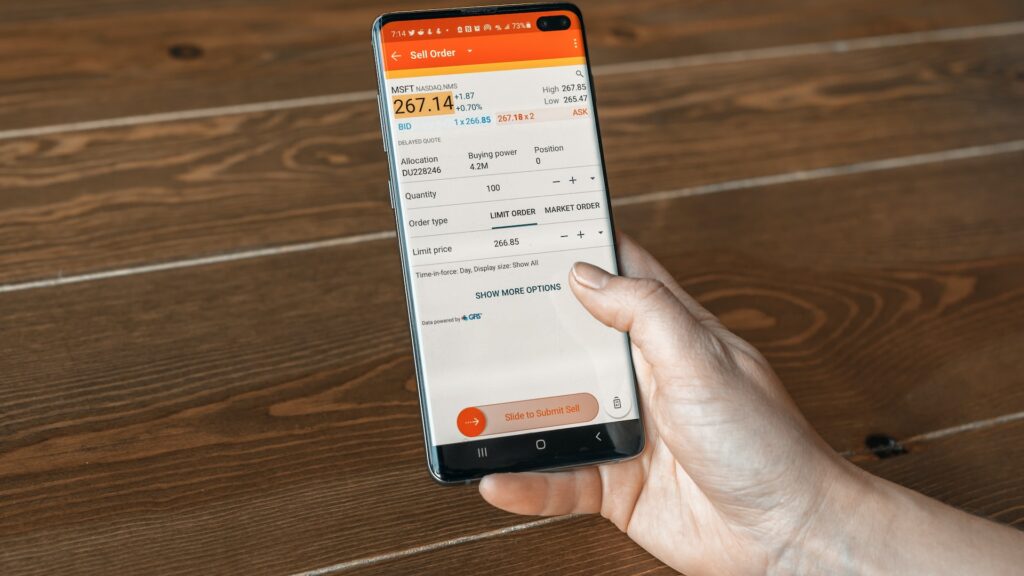
In forex trading, there are two prices associated with a currency pair: the bid price and the ask price. The bid price is the price at which traders can sell the base currency, while the ask price is the price at which traders can buy the base currency. The difference between the bid and ask prices is known as the spread.
2.3 Long and Short Positions
Traders can take either a long or short position in forex mercado trading. A long position involves buying the base currency and selling the quote currency, with the expectation that the base currency will appreciate. In contrast, a short position involves selling the base currency and buying the quote currency, with the expectation that the base currency will depreciate.
2.4 Leverage and Margin
Forex trading often involves the use of leverage, which allows traders to control larger positions with a smaller amount of capital. Leverage is expressed as a ratio, such as 1:100, indicating the amount of capital required relative to the position size. Margin is the collateral required to open and maintain a leveraged position.
3. Benefits of Forex Mercado Trading
Forex mercado trading offers several advantages that make it an attractive option for traders:
3.1 High Liquidity
The forex mercado is highly liquid, meaning there is a significant volume of trading activity. This liquidity ensures that traders can enter and exit positions at any time without difficulty, even for large trade sizes.
3.2 24/5 Market Availability
The forex mercado operates 24 hours a day, five days a week, allowing traders to participate in the market at their convenience. This flexibility is particularly beneficial for individuals who want to trade alongside their regular job or other commitments.
3.3 Potential for Profit in Both Rising and Falling Markets
In forex trading, traders can profit from both rising and falling markets. By taking long or short positions, traders can potentially generate profits regardless of the direction in which the market is moving.
4. Considerations for Forex Mercado Trading
While forex mercado trading offers numerous benefits, it is essential to consider certain factors before getting started:
4.1 Volatility and Risk
The forex mercado can be highly volatile, with prices experiencing rapid fluctuations. This volatility presents both opportunities and risks. Traders must be prepared to manage risk effectively and employ risk management strategies such as setting stop-loss orders.
4.2 Education and Knowledge
Forex trading requires a solid understanding of market dynamics, analysis techniques, and risk management. Traders should invest time in educating themselves about forex mercado trading and continuously expand their knowledge to make informed trading decisions.
4.3 Choosing a Reliable Broker
Selecting a reputable forex broker is crucial for a smooth trading experience. Traders should consider factors such as regulation, trading platforms, customer support, and fees when choosing a broker.
Conclusion
Forex mercado trading is a dynamic and potentially lucrative market for traders worldwide. By understanding the fundamentals of forex trading, including currency pairs, bid/ask prices, and long/short positions, traders can participate in this global marketplace. With careful consideration of the benefits and risks, along with continuous learning and a reliable broker, traders can navigate the forex mercado with confidence and increase their chances of success.