Introduction
The forex market, also known as the foreign exchange market, is a global decentralized market where currencies are bought and sold. It operates 24 hours a day, five days a week, making it the largest and most liquid financial market in the world. In this article, we will explore the structure of the forex market and the different trading sessions that occur throughout the day.
1. Structure of the Forex Market
The forex market is structured in a way that allows participants to trade currencies directly with each other without the need for a centralized exchange. Here are the primary components of the forex market:
1.1. Interbank Market
The interbank market consists of the largest global banks and financial institutions that trade currencies among themselves. These institutions act as market makers, providing liquidity and determining exchange rates. The interbank market is not accessible to individual traders but influences the prices quoted by retail forex brokers.
1.2. Retail Market
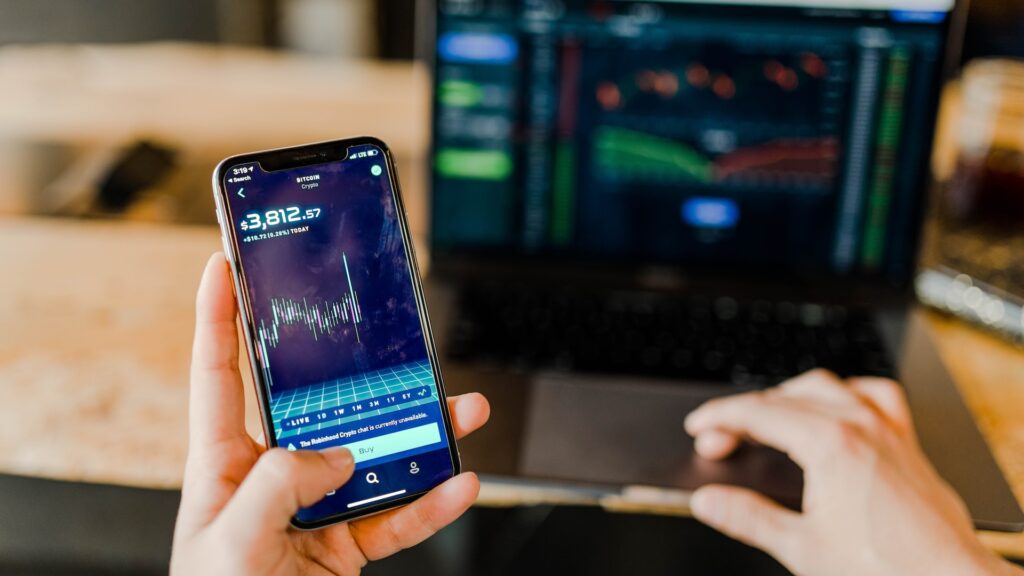
The retail market comprises individual traders and smaller financial institutions who trade currencies through forex brokers. Retail traders can access the market through online platforms, which provide them with the ability to execute trades, access charts and indicators, and manage their accounts.
1.3. Electronic Communication Network (ECN)
ECN brokers provide direct access to the interbank market by connecting traders with liquidity providers, such as banks and other traders. ECN trading offers tighter spreads and faster execution speeds compared to traditional retail brokers.
2. Forex Trading Sessions
The forex market operates 24 hours a day, five days a week, starting with the opening of the Asian session and ending with the closing of the New York session. The market’s continuous nature allows traders from around the world to participate at any time. Here are the main trading sessions:
2.1. Asian Session
The Asian session begins in Tokyo, Japan, and is considered the first major session of the day. It starts at 12:00 AM GMT (Greenwich Mean Time) and lasts until 9:00 AM GMT. The Asian session is known for its relatively low volatility, with currency pairs involving the Japanese yen being the most active during this time.
2.2. European Session
The European session is the most active session in terms of trading volume and price movement. It starts at 7:00 AM GMT and overlaps with the Asian session for a few hours. The European session is dominated by financial centers such as London, Frankfurt, and Paris. Major economic news releases from Europe can significantly impact currency prices during this session.
2.3. North American Session
The North American session begins with the opening of the New York market at 12:00 PM GMT. This session overlaps with the end of the European session, leading to increased liquidity and volatility. The North American session is influenced by economic data releases from the United States and Canada, as well as news and events from around the world.
2.4. Overlapping Sessions
During certain times of the day, two sessions may overlap, resulting in increased trading activity and liquidity. The most notable overlap occurs between the European and North American sessions, known as the “London-New York overlap.” This period, which lasts for about four hours, is considered the busiest time of the day for forex trading.
Conclusion
The forex market is a decentralized global market where currencies are traded around the clock. It consists of the interbank market, retail market, and ECN brokers. Understanding the structure of the forex market is essential for traders looking to participate in this dynamic market. Additionally, being aware of the different trading sessions and their characteristics can help traders identify the most opportune times to trade and take advantage of market volatility.