

Introduction
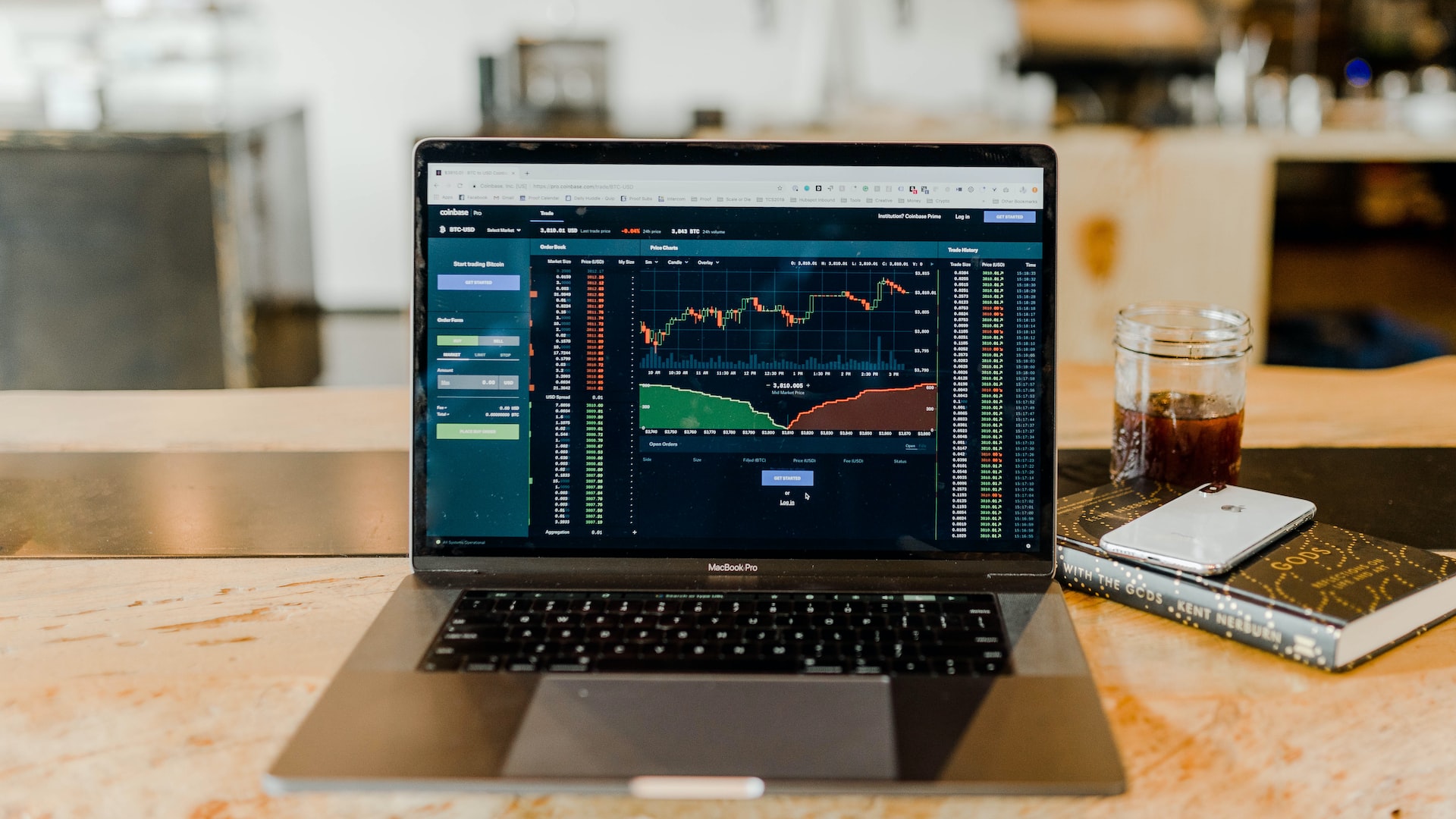
Technical analysis is a powerful tool that can significantly enhance your forex trading strategy. By utilizing technical analysis, traders can gain insights into market trends, identify potential entry and exit points, and improve their overall trading performance. In this blog post, we will explore some successful forex trading strategies that make effective use of technical analysis.
1. Trend Following Strategy
The trend following strategy is a popular approach among forex traders. This strategy involves identifying and trading in the direction of the prevailing market trend. Traders using this strategy often rely on moving averages, trendlines, and other trend-following indicators to determine the trend’s strength and direction. By entering trades aligned with the trend, traders aim to capture substantial profits as the trend continues.
2. Breakout Strategy
The breakout strategy focuses on identifying key levels of support and resistance where the price tends to break out and establish a new trend. Traders using this strategy monitor price consolidation patterns, such as triangles, rectangles, or flags, and look for a breakout above or below these patterns. Breakout traders often use indicators like Bollinger Bands or Average True Range (ATR) to gauge the potential strength of the breakout. By entering trades at the breakout point, traders aim to profit from the subsequent price movement.
3. Range Trading Strategy
The range trading strategy is suitable for forex pairs that exhibit sideways or ranging price movements. Traders using this strategy identify key support and resistance levels that define the range and aim to buy near support and sell near resistance. Technical indicators such as oscillators (e.g., RSI or Stochastic) are commonly used to identify overbought and oversold conditions within the range. Range traders aim to profit from price reversals within the established range.
4. Fibonacci Retracement Strategy
The Fibonacci retracement strategy is based on the idea that price often retraces a portion of its previous move before continuing in the direction of the trend. Traders using this strategy apply Fibonacci retracement levels to determine potential support and resistance areas. These levels are derived from the Fibonacci sequence and ratios (e.g., 38.2%, 50%, or 61.8%). By entering trades near these levels, traders aim to take advantage of the price’s potential reversal or continuation.
5. Multiple Time Frame Analysis Strategy
The multiple time frame analysis strategy involves analyzing price charts across different time frames to identify high-probability trading opportunities. Traders using this strategy often analyze the long-term trend on higher time frames (e.g., daily or weekly) and use lower time frames (e.g., 1-hour or 15-minute) to fine-tune their entry and exit points. By aligning trades with the prevailing long-term trend and using shorter time frames for precision, traders aim to increase the accuracy of their trades.
Conclusion
Incorporating technical analysis into your forex trading strategy can greatly enhance your trading performance. The trend following strategy, breakout strategy, range trading strategy, Fibonacci retracement strategy, and multiple time frame analysis strategy are just a few examples of successful approaches that utilize technical analysis. It’s important to remember that no strategy guarantees success, and traders should continually adapt their strategies based on market conditions. By combining technical analysis with risk management and discipline, traders can increase their chances of success in the dynamic forex market.