Introduction
Forex trading, also known as foreign exchange trading, is the buying and selling of currencies on the foreign exchange market. It is the largest and most liquid financial market globally, with trillions of dollars traded daily. In this article, we will explain what forex trading is and how it works, providing you with a fundamental understanding of this dynamic market.
1. Understanding Forex Trading
Forex trading involves the simultaneous buying of one currency and selling of another. Currencies are traded in pairs, such as EUR/USD (Euro/US Dollar) or GBP/JPY (British Pound/Japanese Yen). The value of a currency pair is determined by its exchange rate, which fluctuates based on supply and demand factors in the market.
2. Participants in the Forex Market
The forex market is comprised of various participants, including:
- Commercial banks: Banks play a crucial role in forex trading by facilitating transactions for their clients, including corporations, governments, and individuals.
- Hedge funds and investment firms: These entities trade currencies on behalf of their clients, aiming to generate profits through strategic trading strategies.
- Retail traders: Individual traders like you and me participate in the forex market through online trading platforms provided by brokers.
- Central banks: Central banks intervene in the forex market to stabilize their domestic currency or achieve specific economic goals.
3. How Forex Trading Works
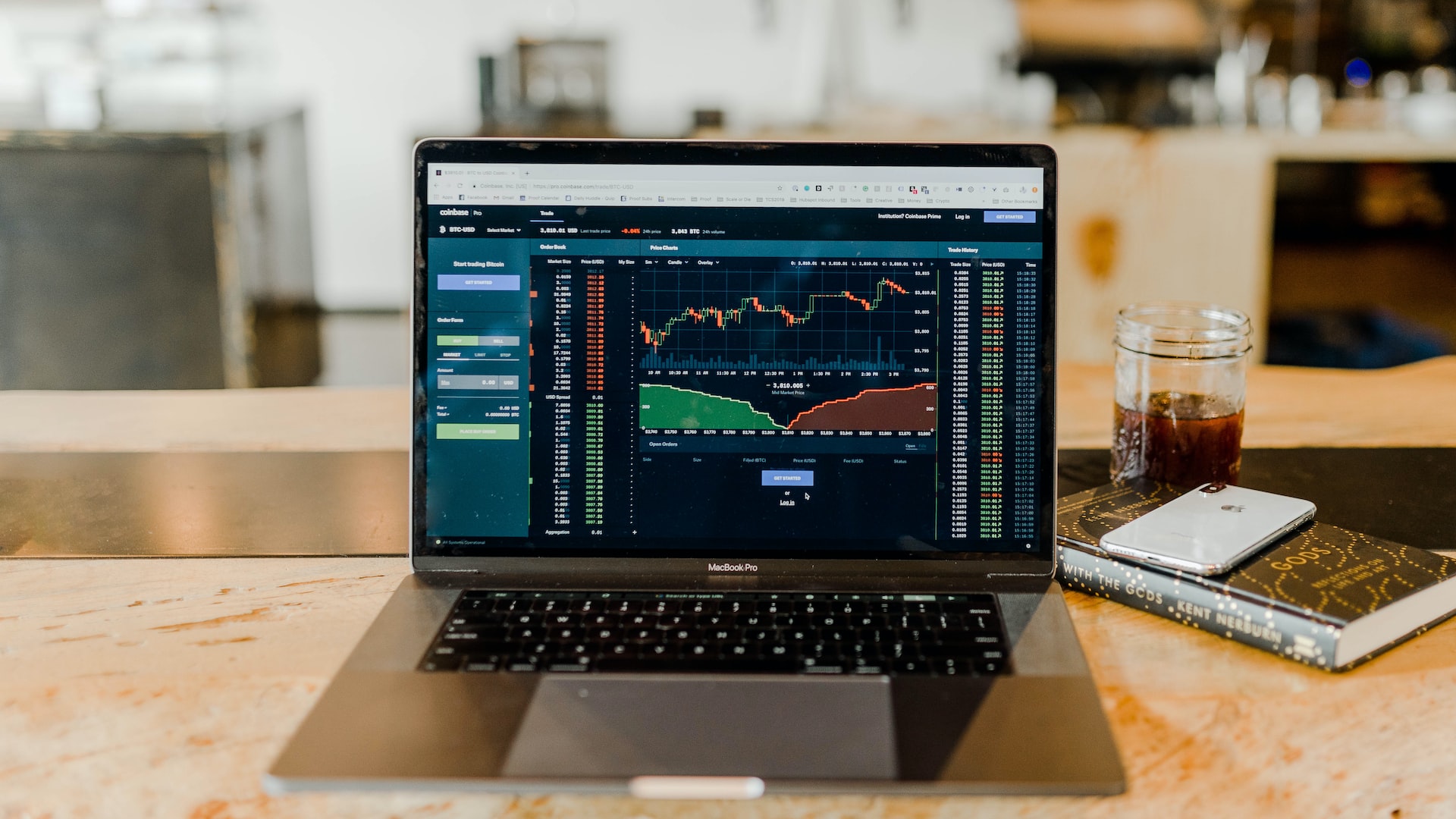
Forex trading takes place over-the-counter (OTC), meaning it does not have a centralized exchange like the stock market. Instead, trading occurs electronically through computer networks between participants worldwide. Here’s a step-by-step breakdown of how forex trading works:
- Choose a Forex Broker: Start by selecting a reputable forex broker that offers a user-friendly trading platform and competitive trading conditions.
- Open a Trading Account: Complete the registration process and open a trading account with your chosen broker.
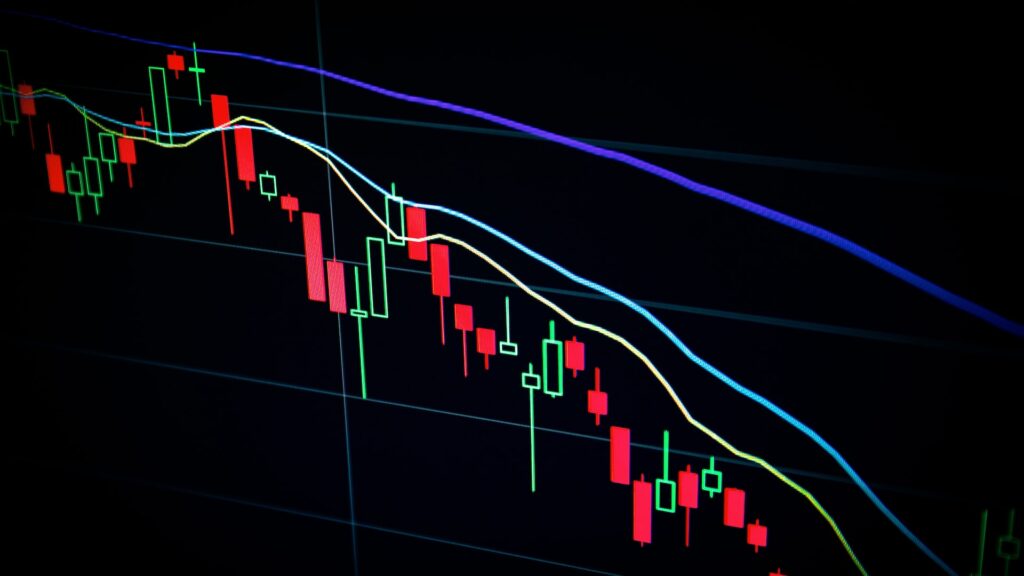
- Analyze the Market: Utilize various analytical tools and techniques to assess the forex market, including technical analysis, fundamental analysis, or a combination of both.
- Place a Trade: Based on your analysis, decide whether to buy or sell a specific currency pair. Enter the trade through your broker’s trading platform, specifying the desired volume and any additional parameters.
- Monitor and Manage the Trade: Once the trade is executed, monitor its progress and make adjustments if necessary. You can set stop-loss and take-profit orders to automatically close the trade at predefined levels.
- Close the Trade: When you decide to exit the trade, either to secure profits or cut losses, close the position through your broker’s platform.
4. Factors Affecting Currency Prices
Currency prices are influenced by various factors, including:
- Economic Indicators: Economic data such as GDP, inflation rates, employment reports, and interest rates impact currency values.
- Political and Geopolitical Events: Political instability, elections, trade wars, and geopolitical tensions can cause currency fluctuations.
- Market Sentiment: Investor sentiment and market expectations play a crucial role in currency movements. Positive sentiment can strengthen a currency, while negative sentiment can weaken it.
- Central Bank Actions: Decisions regarding interest rates, monetary policy, and intervention by central banks can significantly impact currency values.
Conclusion
Forex trading involves buying and selling currencies on the foreign exchange market. It is a decentralized market where participants trade currencies electronically. By understanding how forex trading works and the factors that influence currency prices, you can make informed trading decisions. Remember, successful forex trading requires continuous learning, analysis, risk management, and discipline to navigate the complexities of this dynamic market.