

Introduction
When it comes to forex trading, an interactive broker plays a crucial role in facilitating transactions and providing traders with the necessary tools and resources. In this blog post, we will explore the role of an interactive broker in forex trading and how they can assist traders in navigating the complex world of foreign exchange.
1. Execution of Trades
Efficient Order Execution
One of the primary responsibilities of an interactive broker is to execute trades on behalf of traders. They provide access to various liquidity providers and ensure that trades are executed swiftly and at the best available prices.
Order Types and Flexibility
Interactive brokers offer a wide range of order types, including market orders, limit orders, stop orders, and more. Traders can choose the most suitable order type based on their trading strategies and risk tolerance.
2. Access to Trading Platforms
Trading Platform Functionality
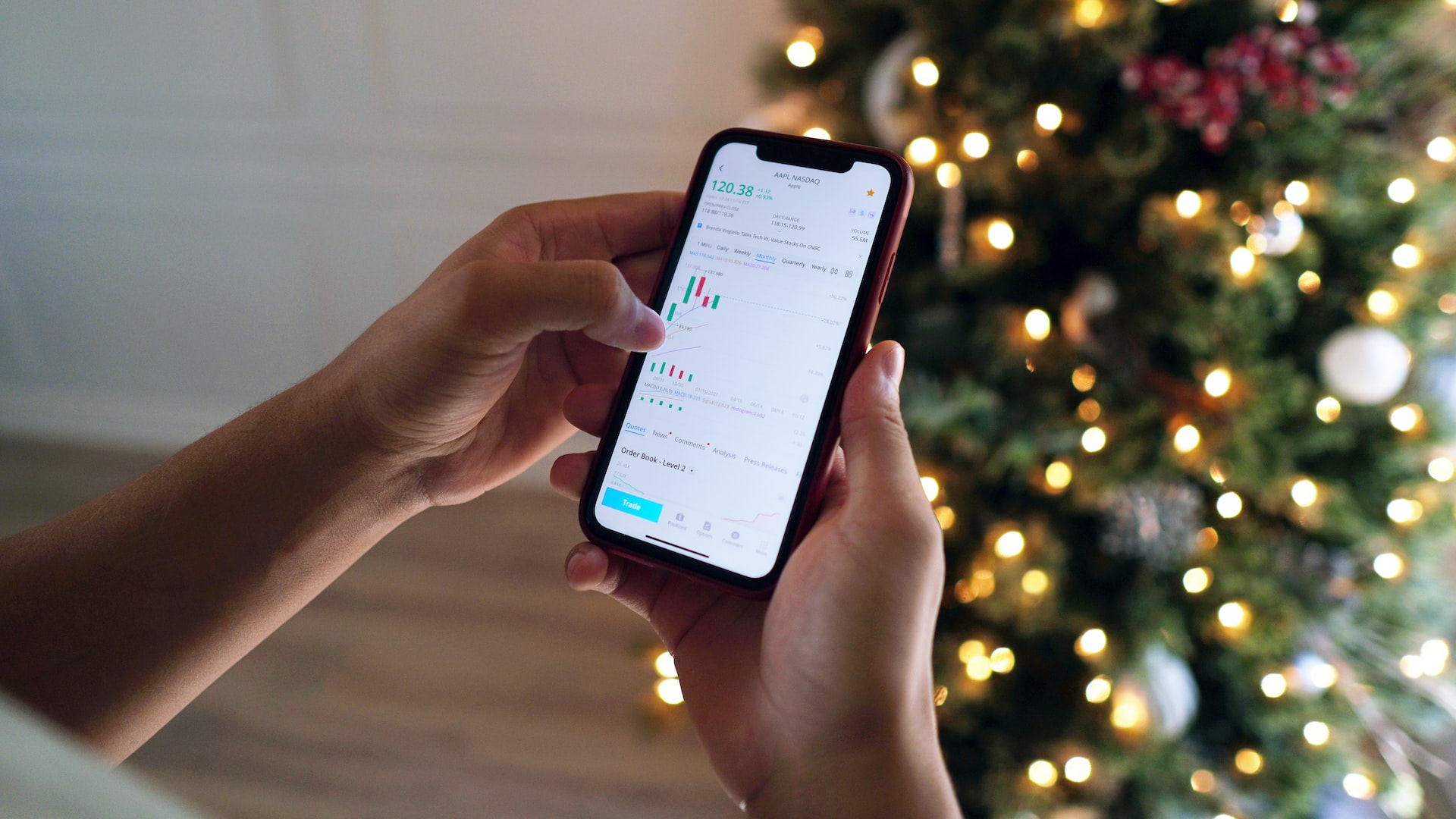
An interactive broker provides traders with access to sophisticated trading platforms that offer real-time market data, charting tools, technical analysis indicators, and order management capabilities. These platforms enable traders to analyze the market and execute trades efficiently.
Mobile and Web-Based Platforms
Interactive brokers also offer mobile and web-based trading platforms, allowing traders to access their accounts and trade on the go. This flexibility enables traders to stay connected to the forex market and seize trading opportunities anytime, anywhere.
3. Provision of Market Research and Analysis
Access to Market News and Analysis
Interactive brokers provide traders with access to a wealth of market research, news, and analysis. This information helps traders stay informed about the latest economic developments, currency trends, and geopolitical events that can impact the forex market.
Technical and Fundamental Analysis Tools
Interactive brokers offer a range of technical and fundamental analysis tools to assist traders in making informed trading decisions. These tools include charting capabilities, economic calendars, and research reports, allowing traders to analyze market trends and identify potential trading opportunities.
4. Risk Management Tools and Education
Risk Management Features
Interactive brokers provide traders with risk management tools such as stop-loss orders, take-profit orders, and trailing stops. These features help traders limit potential losses and protect profits by automatically closing positions at pre-determined price levels.
Educational Resources
An interactive broker often offers educational resources, including webinars, tutorials, and trading guides, to help traders enhance their knowledge and skills. These resources cover various topics such as technical analysis, risk management, and trading psychology.
Conclusion
An interactive broker plays a vital role in forex trading by executing trades efficiently, providing access to trading platforms, offering market research and analysis, and equipping traders with risk management tools and educational resources. Choosing a reliable and reputable interactive broker is essential for traders to navigate the forex market effectively and achieve their trading goals.