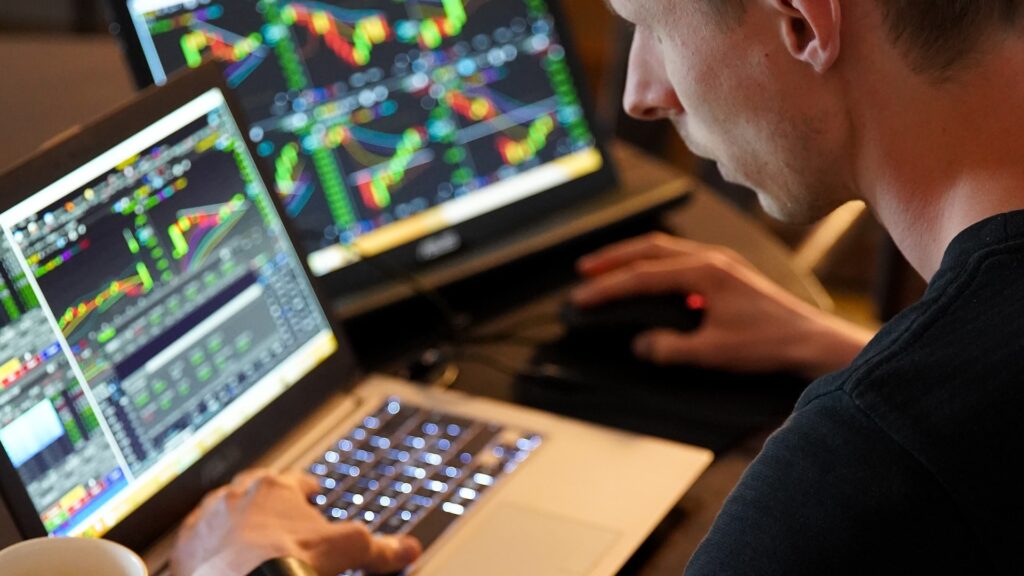
How do I get started with Automatic Forex Trading?
Automatic forex trading, also known as algorithmic trading or automated trading, can be an efficient and effective way to participate in the forex market. In this blog post, we will guide you through the steps to get started with automatic forex trading and provide some useful tips for beginners.
Section 1: Understanding Automatic Forex Trading
If you are new to automatic forex trading, it’s essential to grasp the basics before diving in. Automatic forex trading involves using computer programs or algorithms to execute trades on your behalf. These algorithms are designed to follow predefined rules and criteria, allowing you to trade without continuous manual intervention.
Subsection: Educate Yourself
Before getting started, take the time to educate yourself about forex trading and the underlying principles of automatic trading. Familiarize yourself with key concepts such as technical analysis, fundamental analysis, risk management, and trading strategies. There are numerous educational resources available online, including articles, tutorials, and webinars, that can help you build a solid foundation of knowledge.
Section 2: Choosing a Reliable Automatic Trading Platform
Once you have a basic understanding of automatic forex trading, the next step is to choose a reliable trading platform or software. Here are some factors to consider:
Subsection: Research Different Platforms
Research and compare different automatic trading platforms to find one that suits your needs. Look for platforms that offer a user-friendly interface, robust features, and a wide range of technical indicators and tools. Read reviews and testimonials from other users to gauge their experiences and satisfaction levels.
Subsection: Demo Account and Backtesting
Opt for a platform that provides a demo account or a simulated trading environment. This feature allows you to practice and test your trading strategies without risking real money. Additionally, look for platforms that offer backtesting capabilities, enabling you to assess the performance of your trading algorithms using historical data.
Subsection: Compatibility and Connectivity
Ensure that the automatic trading platform is compatible with your operating system and devices. Check if it offers mobile applications or web-based platforms for convenient access. Also, consider the platform’s connectivity requirements, as stable and reliable internet access is crucial for seamless trading execution.
Section 3: Developing and Testing Your Trading Strategy
Developing a robust trading strategy is a vital step in automatic forex trading. Here’s how you can approach it:
Subsection: Define Your Trading Goals
Clearly outline your trading goals, such as profit targets, risk tolerance, and time commitment. This will help you design a trading strategy that aligns with your objectives.
Subsection: Technical Indicators and Algorithms
Identify the technical indicators and algorithms you want to incorporate into your trading strategy. These can include moving averages, oscillators, trend lines, or any other indicators that align with your preferred trading approach.
Subsection: Backtesting and Optimization
Utilize the backtesting feature of your chosen platform to assess the effectiveness of your strategy using historical market data. Optimize your strategy by making adjustments and refinements based on the backtesting results.
Section 4: Real-Time Trading and Monitoring
Once you have developed and tested your trading strategy, it’s time to start trading in real-time. Here are some key considerations:
Subsection: Start with a Small Investment
When starting with automatic forex trading, it’s advisable to begin with a small investment and gradually increase your capital as you gain experience and confidence in your strategy.
Subsection: Monitor and Evaluate Performance
Regularly monitor the performance of your automatic trading system. Keep track of your trades, analyze the results, and make adjustments as needed. It’s important to stay engaged and proactive in managing your trading activities.
Subsection: Risk Management
Implement effective risk management techniques to protect your capital. Set appropriate stop-loss and take-profit levels, and consider using position-sizing methods to manage the size of your trades relative to your account balance.
Conclusion
Getting started with automatic forex trading requires a combination of education, research, and practice. By understanding the basics, choosing a reliable platform, developing a robust trading strategy, and monitoring your trades, you can embark on your journey into the world of automatic forex trading with confidence.