What Is Forex Trading and Why Is It Important?
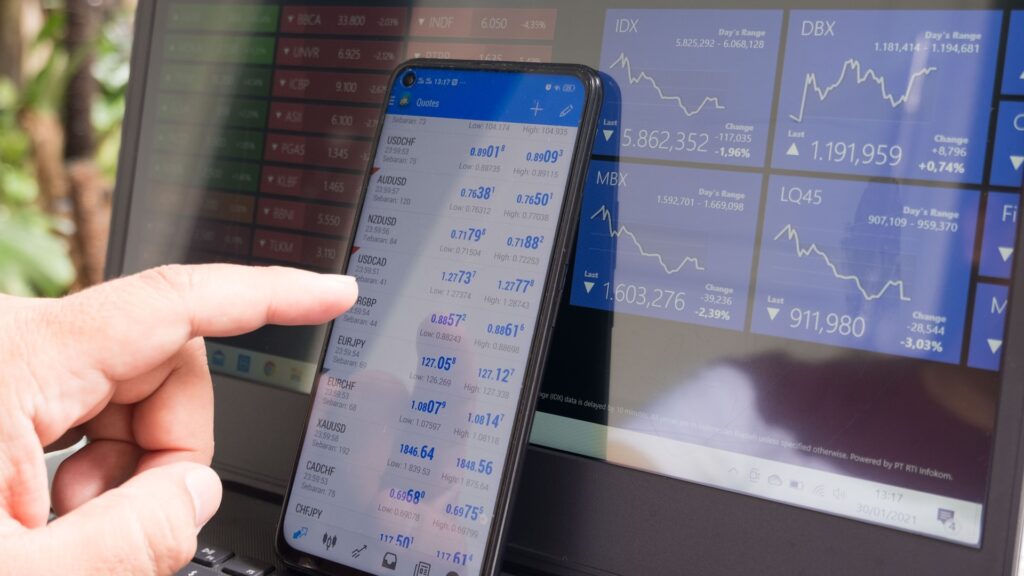
Forex trading, also known as foreign exchange trading, is the process of buying and selling currencies with the aim of making a profit from changes in their exchange rates. It is the largest and most liquid financial market globally, with trillions of dollars traded daily. In this article, we will explore what forex trading is and why it is important in the global financial landscape.
Section 1: Understanding Forex Trading
Subsection 1.1: Currency Pairs and Exchange Rates
Forex trading involves trading currency pairs, which represent the relative value of one currency against another. Each currency pair has a quoted exchange rate that indicates how much of the second currency is needed to purchase one unit of the first currency. For example, the exchange rate for the EUR/USD pair represents how many US dollars are needed to buy one euro.
Subsection 1.2: Market Participants
Various market participants engage in forex trading, including individuals, financial institutions, corporations, and central banks. Individual traders participate through online platforms offered by forex brokerages. Financial institutions and corporations engage in forex trading to facilitate international trade or hedge against currency fluctuations. Central banks intervene in the forex market to stabilize their domestic currency or manage their foreign exchange reserves.
Section 2: Liquidity and Accessibility
Subsection 2.1: High Liquidity
The forex market is highly liquid, meaning that there is a large volume of trading activity and ample opportunities for buying and selling currencies. The high liquidity ensures that traders can enter and exit positions quickly, minimizing the risk of slippage or significant price movements during trade execution. The constant availability of buyers and sellers contributes to tighter bid-ask spreads, reducing transaction costs for traders.
Subsection 2.2: Accessibility
Forex trading offers high accessibility to traders worldwide. The market operates 24 hours a day, five days a week, across different time zones, allowing traders to participate at their convenience. Additionally, advancements in technology have made it easier for individuals to engage in forex trading. Online trading platforms, mobile applications, and educational resources provide access to the forex market, even for those with limited financial resources.
Section 3: Profit Potential and Risk Management
Subsection 3.1: Profit Potential
Forex trading provides significant profit potential due to the volatility in exchange rates. Fluctuations in currency values create opportunities for traders to profit from both rising and falling markets. Traders can take advantage of leverage, which allows them to control larger positions with a smaller capital investment. However, it’s important to note that leverage magnifies both profits and losses, necessitating proper risk management strategies.
Subsection 3.2: Risk Management
Managing risk is crucial in forex trading to protect capital and ensure long-term success. Traders employ various risk management techniques, such as setting stop-loss orders to limit potential losses, using appropriate position sizes, and diversifying their portfolios. Additionally, traders can employ technical and fundamental analysis to make informed trading decisions and mitigate risks associated with price fluctuations and market uncertainties.
Section 4: Economic Importance
Subsection 4.1: Facilitating International Trade
Forex trading plays a vital role in facilitating international trade. Importers and exporters rely on forex markets to convert currencies and hedge against exchange rate fluctuations. A stable and efficient forex market ensures smooth cross-border transactions, enabling businesses to operate globally and fostering economic growth.
Subsection 4.2: Speculation and Investment
Forex trading also serves as a platform for speculation and investment. Traders and investors can take positions based on their analysis of economic indicators, geopolitical events, and market trends. By participating in forex trading, they contribute to market liquidity and price discovery. Additionally, forex trading offers opportunities for diversification, allowing investors to allocate their portfolios across different asset classes, including currencies.
Conclusion
Forex trading is a dynamic and important component of the global financial system. It provides opportunities for traders to profit from exchange rate fluctuations while facilitating international trade and investment. The high liquidity, accessibility, profit potential, and risk management aspects of forex trading make it an attractive option for individuals and institutions alike. However, it’s essential for traders to acquire the necessary knowledge, skills, and risk management strategies to navigate the forex market successfully.