What is the Role of Knowledge and Strategy in Successful Forex Trading?
Successful forex trading requires more than just luck or intuition. It relies on a combination of knowledge, skill, and strategic decision-making. In this article, we will explore the crucial role that knowledge and strategy play in achieving success in the forex market.
1. Understanding the Forex Market
Knowledge of the forex market is essential for successful trading. Traders should understand the basics of currency pairs, exchange rates, and how the market operates. They should also be familiar with factors that influence currency movements, such as economic indicators, geopolitical events, and central bank policies. This knowledge forms the foundation for developing effective trading strategies.
2. Technical Analysis
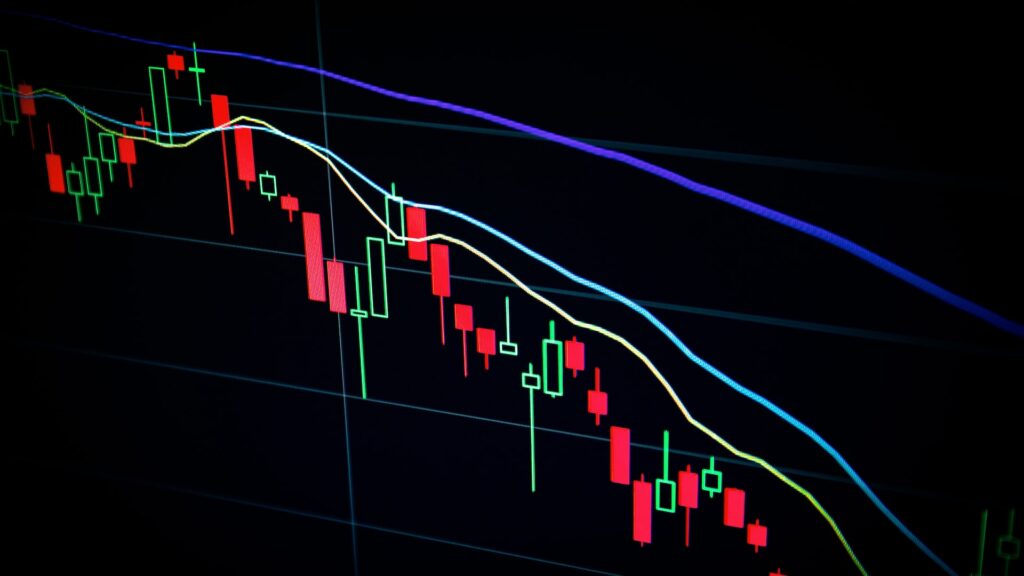
Technical analysis involves studying historical price charts and using indicators to predict future price movements. Traders analyze patterns, trends, support and resistance levels, and other technical indicators to identify potential entry and exit points. Knowledge of technical analysis tools and techniques can help traders make more informed trading decisions and increase the probability of success.
3. Fundamental Analysis
Fundamental analysis involves evaluating economic, political, and social factors that can impact currency values. Traders who employ fundamental analysis consider indicators such as GDP growth, interest rates, inflation, and geopolitical events. By understanding the underlying fundamentals, traders can make informed decisions about which currencies to buy or sell and when to enter or exit trades.
4. Risk Management
Successful traders understand the importance of risk management. They develop strategies to limit potential losses and protect their capital. This includes setting stop-loss orders, managing position sizes, and diversifying their portfolios. Knowledge of risk management techniques helps traders maintain discipline and control their emotions during volatile market conditions.
5. Developing a Trading Strategy
A trading strategy is a set of rules or guidelines that traders follow to make consistent trading decisions. A well-defined strategy helps traders avoid impulsive or emotional trading and provides a framework for decision-making. Traders should develop a strategy that aligns with their trading style, risk tolerance, and financial goals. Regular evaluation and adjustment of the strategy based on market conditions are also crucial.
6. Continuous Learning and Adaptation
Knowledge and strategies in forex trading are not static. The market is constantly evolving, and successful traders understand the importance of continuous learning and adaptation. They stay updated with market news, economic developments, and changes in trading technologies. Traders should be open to new ideas, learn from their mistakes, and adapt their strategies as needed.
Conclusion
Knowledge and strategy are integral components of successful forex trading. Traders who possess a deep understanding of the forex market, employ effective technical and fundamental analysis techniques, manage risk, and develop a well-defined trading strategy have a higher likelihood of achieving consistent profitability. Continuous learning, adaptation, and staying disciplined are essential for long-term success in the dynamic world of forex trading.