What to Consider When Selecting a Forex Broker
Choosing the right forex broker is a crucial decision for any trader. With numerous brokers available in the market, it’s important to consider several factors to ensure you find a broker that meets your trading needs. In this blog post, we will discuss the key considerations to keep in mind when selecting a forex broker.
1. Regulation and Reputation
1.1 Regulatory Compliance
One of the most important factors to consider when selecting a forex broker is regulatory compliance. Ensure that the broker is regulated by a reputable financial authority such as the Securities and Exchange Commission (SEC) in the United States, the Financial Conduct Authority (FCA) in the United Kingdom, or the Australian Securities and Investments Commission (ASIC) in Australia. Regulation provides a level of protection for traders and ensures that the broker operates in accordance with industry standards and guidelines.
1.2 Reputation and Track Record
Research the broker’s reputation and track record in the industry. Look for reviews and feedback from other traders to gauge their experiences with the broker. Consider factors such as the broker’s longevity, customer support, and overall reliability. A broker with a solid reputation and a proven track record is more likely to provide a trustworthy and reliable trading experience.
2. Trading Platform and Tools
2.1 User-Friendly Trading Platform
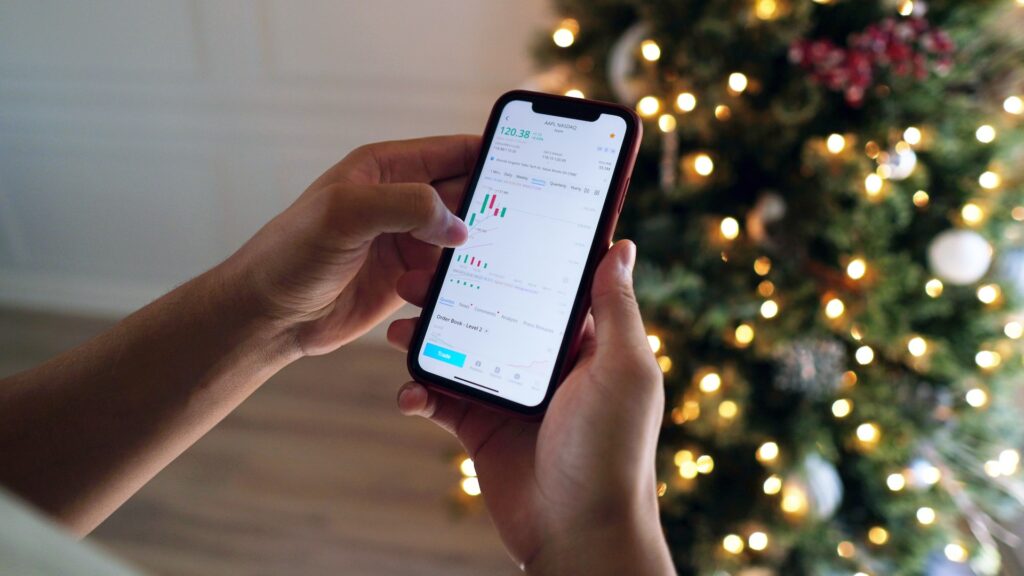
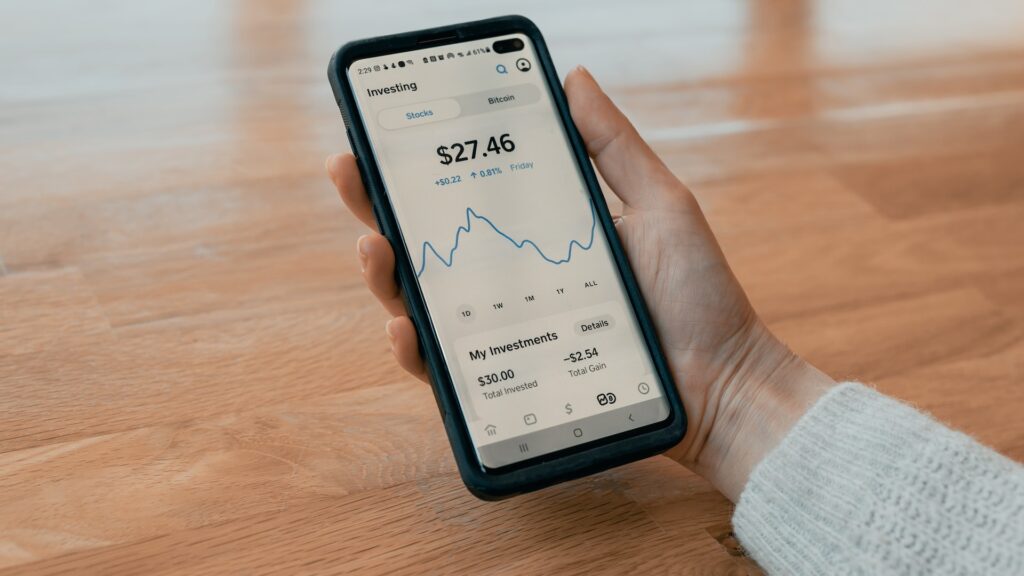
Assess the broker’s trading platform and ensure it is user-friendly and intuitive. The platform should offer a range of essential features such as real-time charts, technical analysis tools, and the ability to execute trades quickly and efficiently. A user-friendly trading platform can significantly enhance your trading experience and make it easier to navigate the markets.
2.2 Availability of Trading Tools
Consider the availability of trading tools and resources provided by the broker. Look for features like economic calendars, educational materials, market analysis, and research reports. These resources can help you make informed trading decisions and stay updated with the latest market developments.
3. Range of Tradable Instruments
3.1 Currency Pairs
Check the broker’s offering of currency pairs. Ensure that they provide a wide range of major, minor, and exotic currency pairs to suit your trading preferences. The availability of diverse currency pairs allows you to take advantage of various trading opportunities and strategies.
3.2 Other Financial Instruments
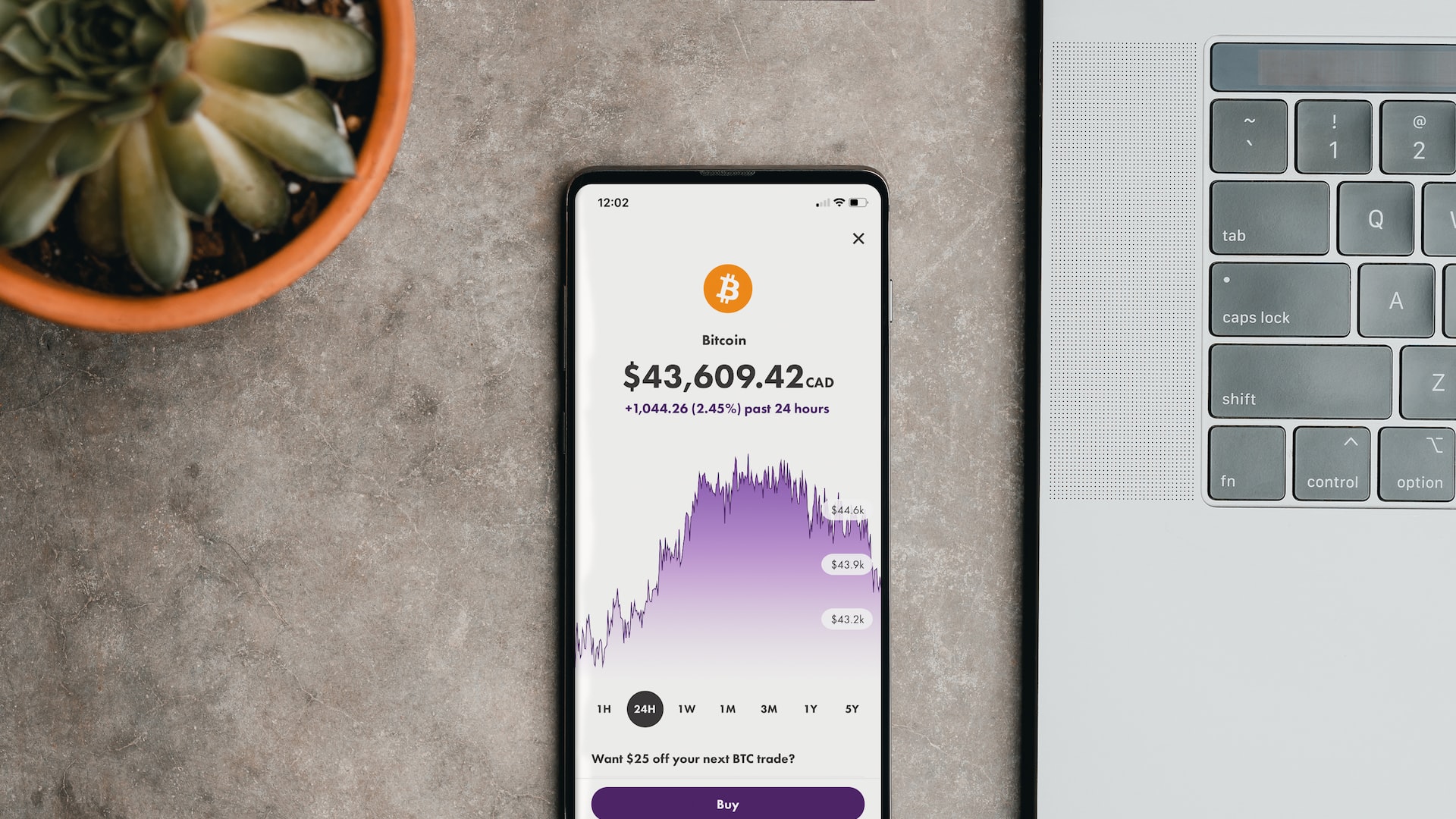
Consider whether the broker offers other financial instruments such as commodities, indices, stocks, or cryptocurrencies if you are interested in diversifying your trading portfolio. Having access to a broader range of instruments can provide additional trading opportunities and flexibility.
4. Trading Costs and Fees
4.1 Spreads and Commissions
Compare the spreads and commissions charged by different brokers. Spreads are the difference between the bid and ask price, and lower spreads can reduce your trading costs. Some brokers may also charge commissions on trades, so be aware of these costs and factor them into your trading plan.
4.2 Deposit and Withdrawal Fees
Check if the broker imposes any fees on deposits and withdrawals. Some brokers may charge fees for certain payment methods or have minimum withdrawal thresholds. Ensure that the broker’s fee structure aligns with your financial goals and preferences.
5. Customer Support
5.1 Responsiveness and Availability
Consider the quality of customer support provided by the broker. Look for brokers that offer responsive customer support via multiple channels such as live chat, email, or phone. Prompt and helpful customer support can be invaluable, particularly when you encounter issues or have questions regarding your trading account.
5.2 Language Support
If English is not your primary language, check if the broker offers support in your preferred language. Effective communication is crucial for a smooth trading experience, and having language support can make it easier to understand and resolve any concerns.
Conclusion
When selecting a forex broker, it’s essential to consider factors such as regulation and reputation, the trading platform and tools offered, the range of tradable instruments, trading costs and fees, as well as the quality of customer support. By carefully evaluating these factors, you can find a broker that aligns with your trading goals and provides a reliable and seamless trading experience.