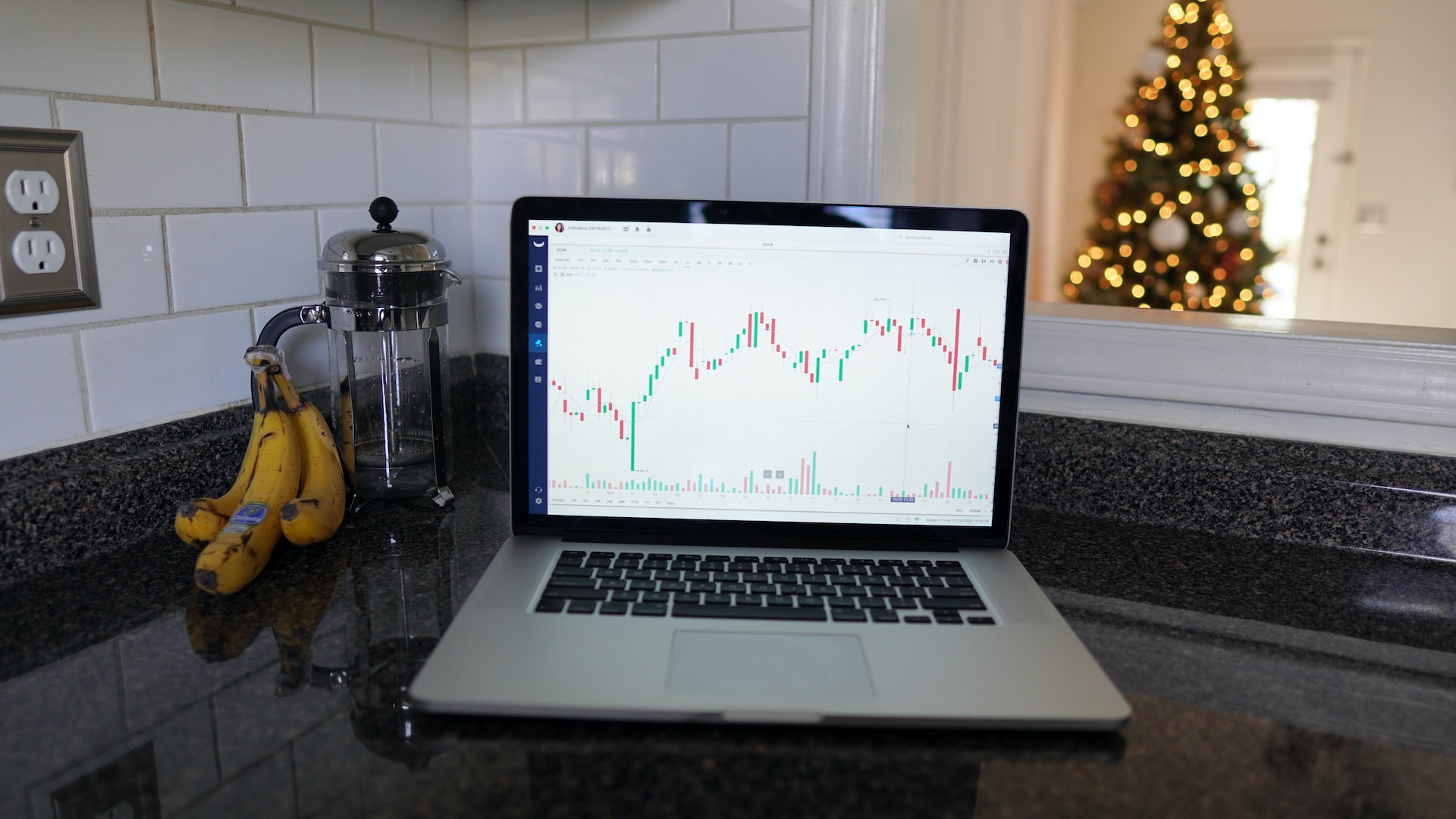
Implications of Forex Market Closure
Forex market closure, whether temporary or permanent, can have significant implications for traders and the broader financial markets. When the foreign exchange market is closed, it disrupts trading activities, impacts market liquidity, and influences currency exchange rates. In this blog post, we will explore the implications of forex market closure and discuss how traders can navigate these situations. Let’s dive in!
1. Disruption of Trading Activities
One of the primary implications of forex market closure is the disruption of trading activities. During market closure, traders are unable to execute new trades or modify existing positions. This can be frustrating for active traders who rely on continuous market access to capitalize on price movements and implement their trading strategies. Traders need to be aware of scheduled market closures and adjust their trading activities accordingly to avoid being caught off guard.
2. Impact on Market Liquidity
Forex market closure can significantly impact market liquidity. Liquidity refers to the ease with which traders can buy or sell a financial instrument without causing a substantial change in its price. When the forex market is closed, trading volumes decrease, resulting in reduced liquidity. Lower liquidity levels can lead to wider bid-ask spreads, making it more challenging for traders to enter or exit positions at desired prices. This can result in increased transaction costs and potential slippage when the market reopens.
3. Influence on Currency Exchange Rates
Forex market closure can also influence currency exchange rates. When the market is closed, market participants cannot actively trade currencies, leading to a lack of price discovery. This can result in a temporary freeze or stagnation of currency exchange rates until the market reopens. However, during periods of closure, other factors such as economic news, geopolitical developments, or external events can still impact currency values. Traders should stay informed about these factors to anticipate potential price movements when the market resumes.
4. Market Gaps and Volatility
Forex market closure can give rise to market gaps and increased volatility when the market reopens. A market gap occurs when there is a significant difference between the closing price before the closure and the opening price when the market resumes. This can happen due to unexpected news, economic releases, or other market-moving events that occur during the closure. Traders need to be cautious of these market gaps as they can result in substantial profits or losses, depending on the direction and magnitude of the gap.
5. Adaptation and Risk Management
Traders need to adapt their strategies and employ proper risk management techniques to navigate forex market closure effectively. This includes planning ahead, setting appropriate stop-loss orders, and managing open positions before the closure. Traders should also stay informed about upcoming market closures, economic events, and news announcements. By being proactive and prepared, traders can minimize risks and seize opportunities when the market reopens.
Conclusion
Forex market closure has implications for traders and the financial markets as a whole. It disrupts trading activities, impacts market liquidity, influences currency exchange rates, and can lead to market gaps and increased volatility. Traders need to be aware of scheduled market closures, adapt their strategies, and employ proper risk management techniques. By staying informed, planning ahead, and being prepared, traders can navigate forex market closure effectively and make informed decisions when the market reopens.