How to Choose the Right Forex Broker
Choosing the right forex broker is a crucial step for anyone interested in trading the foreign exchange market. With numerous brokers available, it’s important to consider several factors to ensure you find a reliable and reputable broker that suits your trading needs. In this article, we will explore the key considerations to help you choose the right forex broker.
1. Regulatory Compliance
Regulatory compliance is paramount when selecting a forex broker. Look for brokers that are regulated by reputable financial authorities such as the Financial Conduct Authority (FCA) in the UK, the National Futures Association (NFA) in the US, or the Australian Securities and Investments Commission (ASIC). Regulation helps ensure that brokers adhere to strict standards, providing a level of safety and protection for your funds.
2. Trading Platform
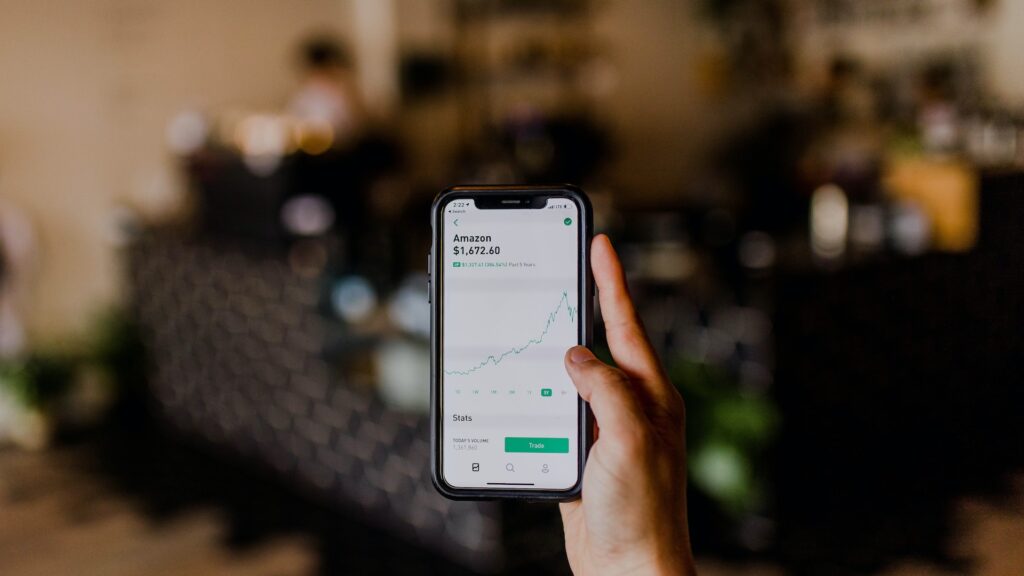
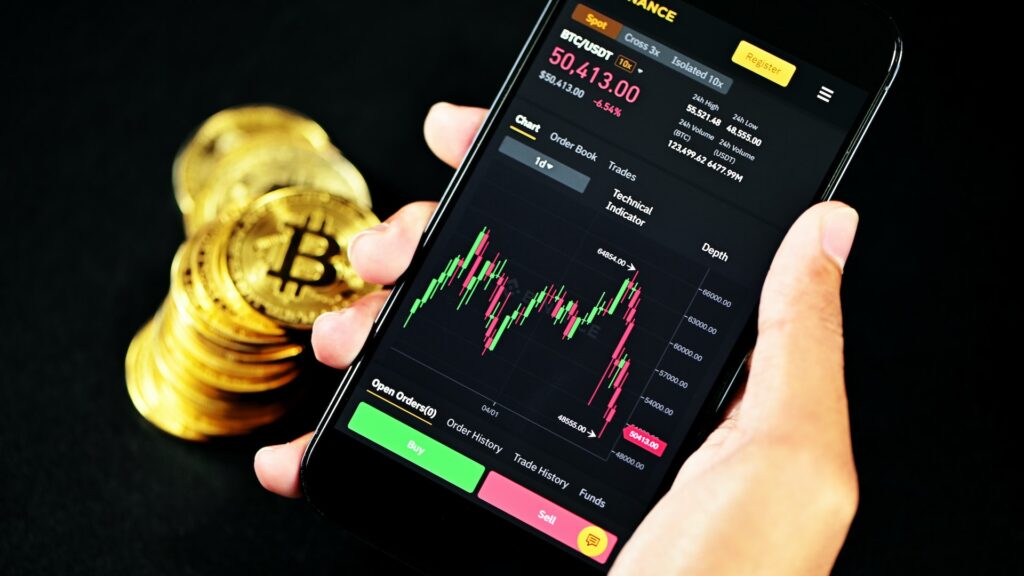
The trading platform is your gateway to the forex market, so it’s essential to choose a broker that offers a user-friendly and reliable platform. Look for platforms that provide advanced charting tools, real-time market quotes, and a variety of order types. Consider whether the platform is available on desktop, web, and mobile devices to ensure you can access your trading account conveniently from anywhere.
3. Range of Tradable Instruments
Forex trading involves more than just currency pairs. Consider the range of tradable instruments offered by the broker. Look for brokers that provide access to a wide variety of currency pairs, as well as other assets such as commodities, indices, or cryptocurrencies if you have an interest in trading these markets as well.
4. Spreads and Fees
Spreads and fees can significantly impact your trading profitability. Compare the spreads offered by different brokers, keeping in mind that tighter spreads are generally more favorable. Additionally, consider other fees such as commissions, overnight swap charges, or deposit/withdrawal fees. Find a broker that offers competitive pricing without compromising on the quality of their services.
5. Leverage Options
Leverage allows traders to control larger positions with a smaller amount of capital. However, it’s important to choose a broker that offers suitable leverage options for your trading style and risk tolerance. Higher leverage can amplify both potential profits and losses, so it’s crucial to use leverage responsibly and understand the associated risks.
6. Customer Support
Reliable customer support is essential when dealing with a forex broker. Look for brokers that offer responsive and accessible customer support channels, such as live chat, phone, or email. Test their support services by reaching out with any questions or concerns before opening an account to gauge their level of responsiveness and helpfulness.
7. Educational Resources
For beginners, educational resources provided by brokers can be invaluable. Look for brokers that offer educational materials, such as trading tutorials, webinars, or market analysis, to help you improve your trading skills and knowledge. A broker that invests in educating its clients demonstrates its commitment to their success.
8. Reputation and Reviews
Do some research and consider the reputation and reviews of potential brokers. Look for feedback from other traders to get an idea of their experiences with a particular broker. However, exercise caution as not all online reviews may be genuine. Consider multiple sources and use your judgment when evaluating a broker’s reputation.
Conclusion
Choosing the right forex broker is a critical decision that can significantly impact your trading experience. Consider factors such as regulatory compliance, trading platform, range of tradable instruments, spreads and fees, leverage options, customer support, educational resources, and the broker’s reputation. By conducting thorough research and evaluating multiple brokers, you can find a reliable partner that meets your trading needs and supports your journey in the forex market.