What Role Does a Forex Platform Play in Trading?
Forex platforms play a crucial role in forex trading, serving as the gateway for traders to access the global currency market. A forex trading platform is a software that allows traders to execute trades, analyze market data, and manage their trading accounts. In this article, we will explore the key roles that a forex platform plays in trading.
1. Trade Execution
One of the primary functions of a forex platform is to facilitate trade execution. Traders can use the platform to place buy or sell orders for various currency pairs. The platform connects traders to liquidity providers, such as banks and financial institutions, ensuring that trades are executed quickly and efficiently. A reliable forex platform should provide instant order execution, minimal slippage, and accurate pricing to enable traders to enter and exit trades at their desired levels.
2. Market Analysis
A forex platform provides traders with the tools and features necessary for market analysis. Traders can access real-time price charts, technical indicators, and drawing tools to analyze market trends and identify potential trading opportunities. The platform should offer a wide range of analytical tools and customizable charting options to cater to different trading strategies and preferences. With a robust market analysis capability, traders can make informed decisions based on technical and fundamental factors.
3. Order Types and Risk Management
Forex platforms offer various order types that allow traders to implement their trading strategies effectively. Common order types include market orders, limit orders, stop orders, and trailing stops. These order types enable traders to set specific entry and exit points, manage risk, and automate certain aspects of their trading. Additionally, a forex platform should provide risk management tools such as stop-loss and take-profit orders, allowing traders to define their risk-reward ratios and protect their capital.
4. Account Management
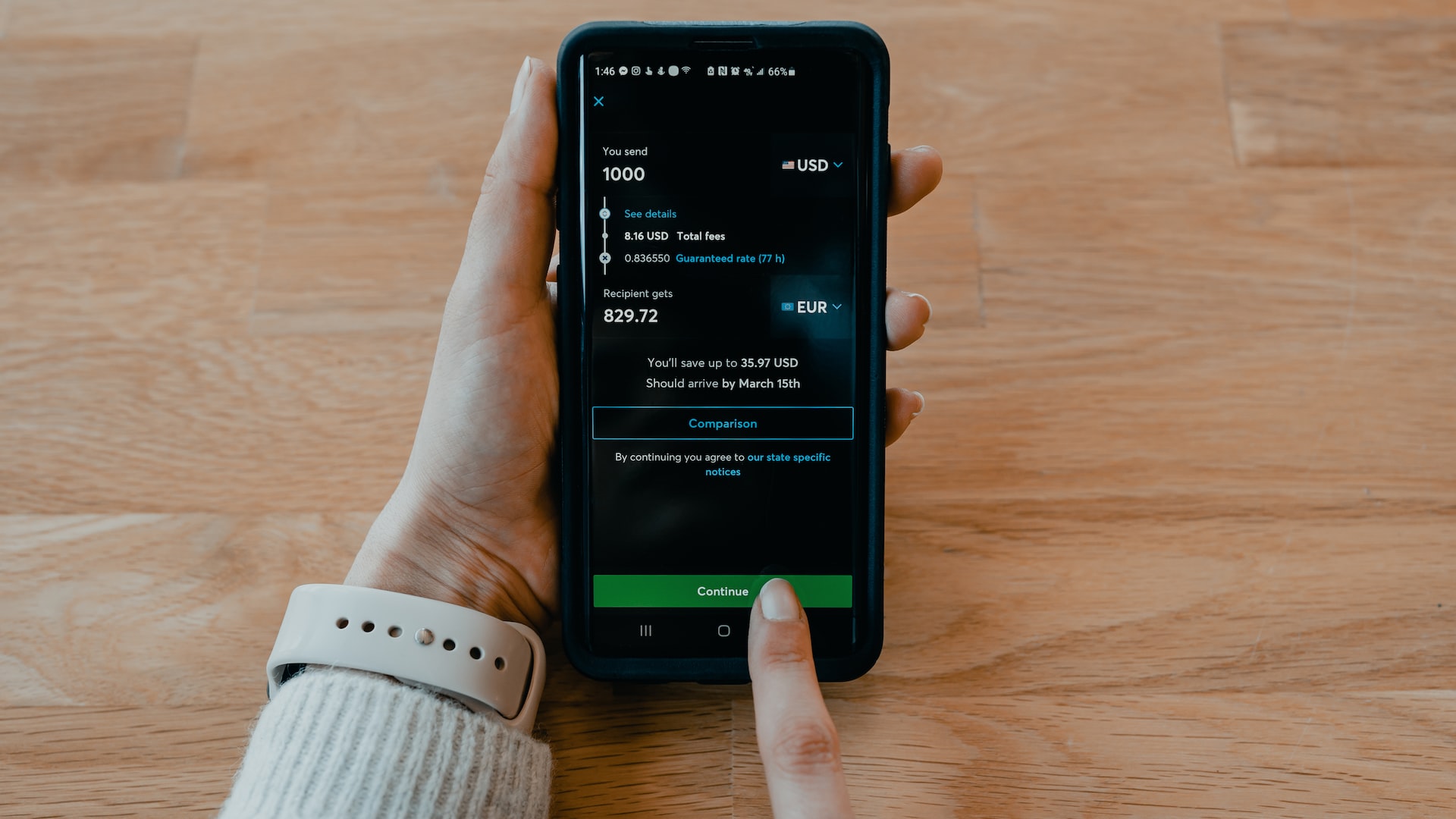
A forex platform serves as a centralized hub for traders to manage their trading accounts. Traders can deposit and withdraw funds, monitor their account balance and equity, and view transaction history. The platform should provide a user-friendly interface that allows traders to easily navigate through their account information, access reports, and generate statements for tax purposes. Some platforms also offer advanced features like performance tracking and trade analysis to help traders evaluate their strategies and performance over time.
5. Mobile Trading
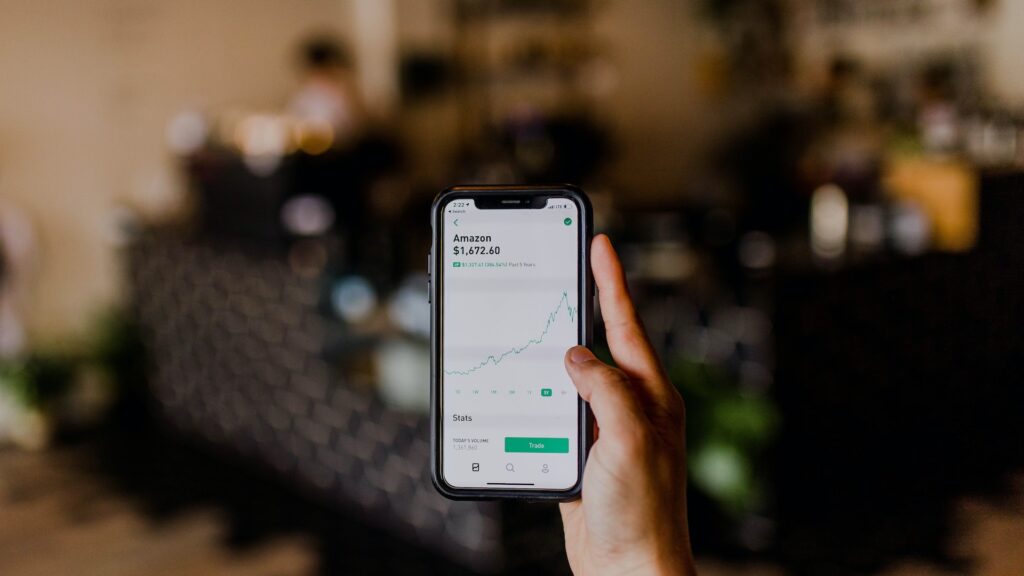
With the advancement of technology, many forex platforms now offer mobile trading capabilities. This allows traders to access the forex market and manage their trades using smartphones or tablets. Mobile trading provides flexibility and convenience, enabling traders to monitor the market, execute trades, and receive real-time notifications even when they are on the go. A mobile-friendly forex platform ensures that traders can stay connected and take advantage of trading opportunities at any time.
Conclusion
A forex platform plays a vital role in trading, providing traders with the necessary tools and features to execute trades, analyze the market, manage risk, and monitor their trading accounts. It serves as a bridge between traders and the forex market, offering a user-friendly interface and a range of functionalities. When choosing a forex platform, it is important to consider factors such as trade execution speed, market analysis tools, order types, risk management features, and mobile trading capabilities. By selecting a reliable and feature-rich platform, traders can enhance their trading experience and increase their chances of success in the forex market.