How Does Technical and Fundamental Analysis Aid in Forex Trading?
When it comes to forex trading, both technical and fundamental analysis are widely used to aid traders in making informed decisions. Technical analysis focuses on studying price charts and patterns, while fundamental analysis examines economic and geopolitical factors that influence currency values. In this blog post, we will explore how technical and fundamental analysis play a crucial role in forex trading and how they can be used together to improve trading outcomes.
Section 1: Understanding Technical Analysis
Subsection 1.1: Price Charts and Patterns
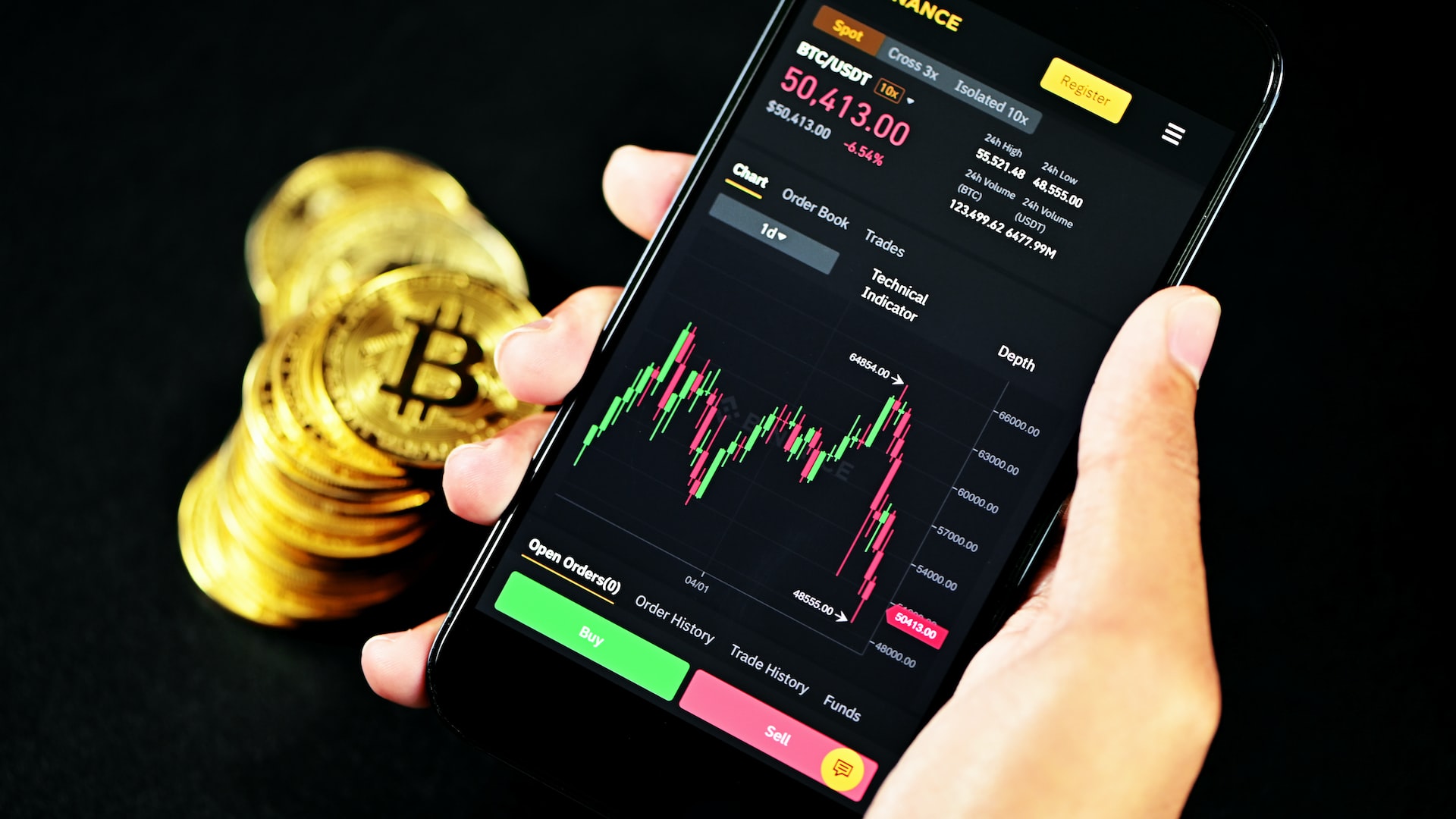
Technical analysis relies on studying price charts and patterns to identify trends, support and resistance levels, and potential entry and exit points. Traders use various technical indicators, such as moving averages, oscillators, and trend lines, to analyze price movements and predict future price movements. By understanding and interpreting these patterns, traders can make more informed trading decisions.
Subsection 1.2: Trend Analysis
Trend analysis is a key component of technical analysis. Traders analyze price trends to determine the direction of the market and identify potential trading opportunities. By identifying uptrends, downtrends, or sideways movements, traders can align their strategies accordingly. Trend analysis helps traders ride the momentum of the market and increase the probability of successful trades.
Section 2: Utilizing Fundamental Analysis
Subsection 2.1: Economic Indicators
Fundamental analysis involves analyzing economic indicators, such as GDP growth, inflation rates, interest rates, and employment data, to evaluate the overall health of an economy. By understanding the underlying economic factors that impact currency values, traders can make more informed trading decisions. For example, if a country’s economy is growing, it may indicate a strengthening currency.
Subsection 2.2: Geopolitical Events
Geopolitical events, such as elections, political instability, or trade agreements, can have a significant impact on currency values. Fundamental analysis helps traders stay updated with these events and assess their potential effects on the forex market. By understanding how geopolitical factors can influence currency values, traders can adjust their strategies accordingly and take advantage of trading opportunities.
Section 3: Combining Technical and Fundamental Analysis
Subsection 3.1: Confirmation and Confluence
By combining technical and fundamental analysis, traders can gain a more comprehensive view of the forex market. Technical analysis can help confirm or validate signals generated by fundamental analysis. For example, if a fundamental analysis suggests that a currency is likely to appreciate due to positive economic indicators, technical analysis can be used to identify potential entry and exit points based on price patterns or indicators.
Subsection 3.2: Risk Management and Trade Timing
Technical and fundamental analysis can aid traders in managing risks and timing their trades. Technical analysis helps identify optimal entry and exit points, while fundamental analysis provides insights into potential market-moving events that could impact currency values. By considering both aspects, traders can make more informed decisions and minimize potential losses.
Section 4: Conclusion
Both technical and fundamental analysis are valuable tools in forex trading. Technical analysis helps traders analyze price charts and patterns, identify trends, and predict future price movements. Fundamental analysis, on the other hand, focuses on economic and geopolitical factors that influence currency values. By combining these two approaches, traders can make more informed decisions, improve their trading outcomes, and navigate the dynamic forex market more effectively.