Introduction
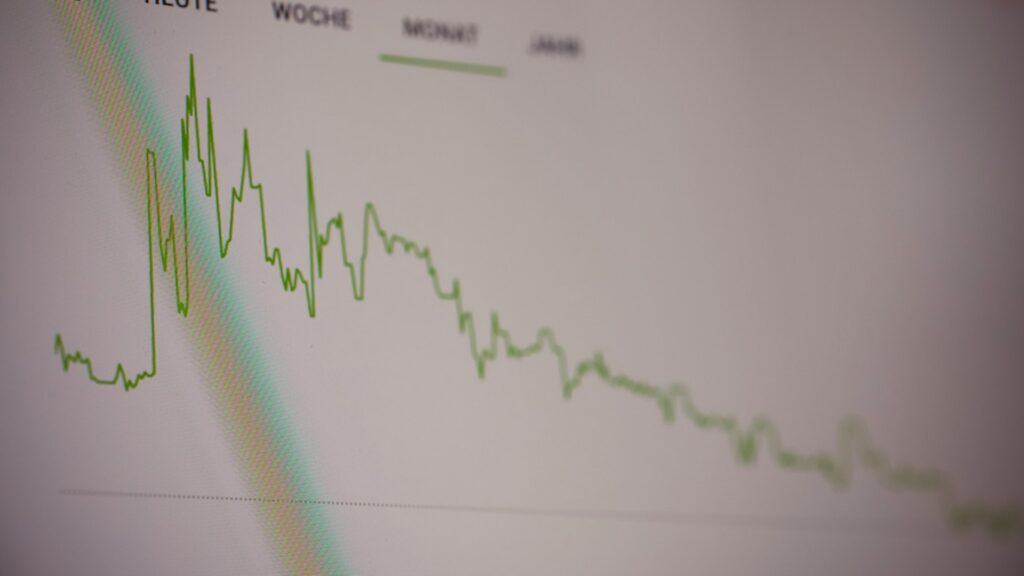
When it comes to forex trading, the choice of timeframe can significantly impact your trading strategy. Different timeframes provide varying levels of detail and perspective on market movements. In this article, we will explore how different timeframes affect your forex trading strategy and discuss their implications for successful trading.
1. Long-Term Timeframes
a. Monthly and Weekly
Long-term timeframes, such as the monthly and weekly charts, are suitable for traders who adopt a more patient and long-term approach. These timeframes provide a broader view of the market, allowing traders to identify major trends and patterns that may span several months or even years. Long-term traders can use these timeframes to capture significant market movements and hold positions for extended periods.
Long-term timeframes are useful for position traders and investors who prefer to make fewer trading decisions and rely on fundamental analysis. However, it’s important to note that trading on long-term timeframes requires a higher level of patience and the ability to weather market fluctuations.
2. Medium-Term Timeframes
a. Daily and 4-Hour
Medium-term timeframes, such as the daily and 4-hour charts, are popular among traders who seek a balance between short-term and long-term perspectives. These timeframes offer more detailed information about price movements and allow traders to identify medium-term trends and potential trading opportunities.
Traders who use these timeframes may engage in swing trading or day trading. Swing traders aim to capture medium-term trends that can last from a few days to a few weeks, while day traders focus on shorter-term trends within a single trading day. The daily and 4-hour timeframes provide traders with enough detail to make informed trading decisions without being overwhelmed by excessive noise and fluctuations.
3. Short-Term Timeframes
a. 1-Hour and 15-Minute
Short-term timeframes, such as the 1-hour and 15-minute charts, are suitable for traders who prefer a more active and fast-paced trading style. These timeframes provide highly detailed information about price movements and are often used by scalpers and very short-term traders.
Scalpers aim to capture quick profits from small price movements, often within minutes or hours. Short-term timeframes allow them to closely monitor price fluctuations and make rapid trading decisions. However, it’s important to note that trading on short-term timeframes requires a high level of focus, discipline, and the ability to react quickly to changing market conditions.
Conclusion
The choice of timeframe in forex trading is a crucial factor in determining your trading strategy. Different timeframes provide varying levels of detail and perspective on market movements. Long-term timeframes are suitable for patient position traders and investors, while medium-term timeframes offer a balance between short-term and long-term perspectives. Short-term timeframes are favored by active traders who seek quick profits from small price movements.
It’s important to align your trading strategy with the timeframe that suits your trading style, goals, and preferences. Regularly analyzing and adapting your approach based on the chosen timeframe and market conditions is essential for successful forex trading. Remember to practice risk management and maintain a disciplined approach regardless of the timeframe you choose.