Understanding Forex Trading Systems: How They Work
Introduction
Forex trading systems are automated strategies or methodologies that traders use to make informed decisions when buying or selling currencies on the foreign exchange market. In this blog post, we will explore what forex trading systems are, how they work, and their benefits for traders.
1. What is a Forex Trading System?
A forex trading system is a set of rules and algorithms designed to analyze market data and generate trading signals. These systems can be based on technical indicators, fundamental analysis, or a combination of both. The goal is to identify potential trading opportunities and execute trades with precision and efficiency.
2. Components of a Forex Trading System
Technical Indicators
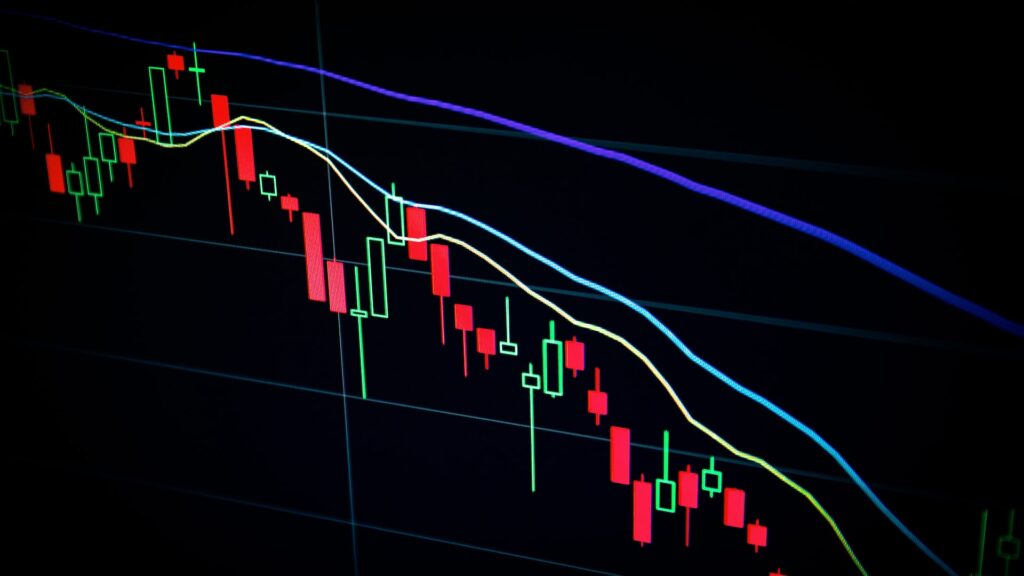
Technical indicators are mathematical calculations applied to price and volume data to identify patterns, trends, and potential reversals in the market. Popular technical indicators include moving averages, relative strength index (RSI), and Bollinger Bands. These indicators help traders spot entry and exit points for their trades.
Trading Rules
Trading rules define the conditions for entering and exiting trades. These rules can be based on specific technical indicators, price patterns, or fundamental factors. Traders can set parameters such as the desired profit target, stop-loss level, and risk-reward ratio to manage their trades effectively.
3. Types of Forex Trading Systems
Trend-Following Systems
Trend-following systems aim to identify and ride the momentum of a prevailing market trend. They generate buy signals when the market is in an uptrend and sell signals when it is in a downtrend. These systems are based on the belief that trends tend to persist, and traders can profit by following them.
Counter-Trend Systems
Counter-trend systems, as the name suggests, aim to profit from price reversals or corrections against the prevailing trend. These systems identify overbought or oversold conditions in the market and generate signals to enter trades in the opposite direction. Counter-trend systems require careful risk management due to the higher probability of false signals.
Breakout Systems
Breakout systems aim to capture significant price movements that occur when the price breaks out of a defined range or consolidation pattern. These systems generate signals to enter trades when the price exceeds certain levels of support or resistance. Breakout systems can be particularly effective during periods of low volatility.
4. Benefits of Forex Trading Systems
Elimination of Emotional Bias
Forex trading systems remove the emotional element from trading decisions. Traders can rely on predefined rules and algorithms, reducing the impact of fear, greed, and other emotions that can cloud judgment and lead to poor trading outcomes.
Backtesting and Optimization
Forex trading systems can be backtested using historical data to evaluate their performance over time. Traders can identify strengths and weaknesses, make necessary adjustments, and optimize their systems for better results. Backtesting helps traders gain confidence in their systems before deploying them in live trading.
Increased Trading Efficiency
Automated forex trading systems can execute trades faster and more efficiently than manual trading. They can monitor multiple currency pairs simultaneously, analyze market data in real-time, and execute trades instantly based on predefined criteria. This enables traders to capitalize on market opportunities without delays.
Conclusion
Forex trading systems provide traders with a systematic approach to currency trading. By using predefined rules, technical indicators, and trading algorithms, traders can make informed decisions and execute trades with precision and efficiency. Whether you choose a trend-following, counter-trend, or breakout system, remember to backtest and optimize your strategies to enhance their performance. Implementing a forex trading system can help you manage risk, eliminate emotional bias, and improve your overall trading results.