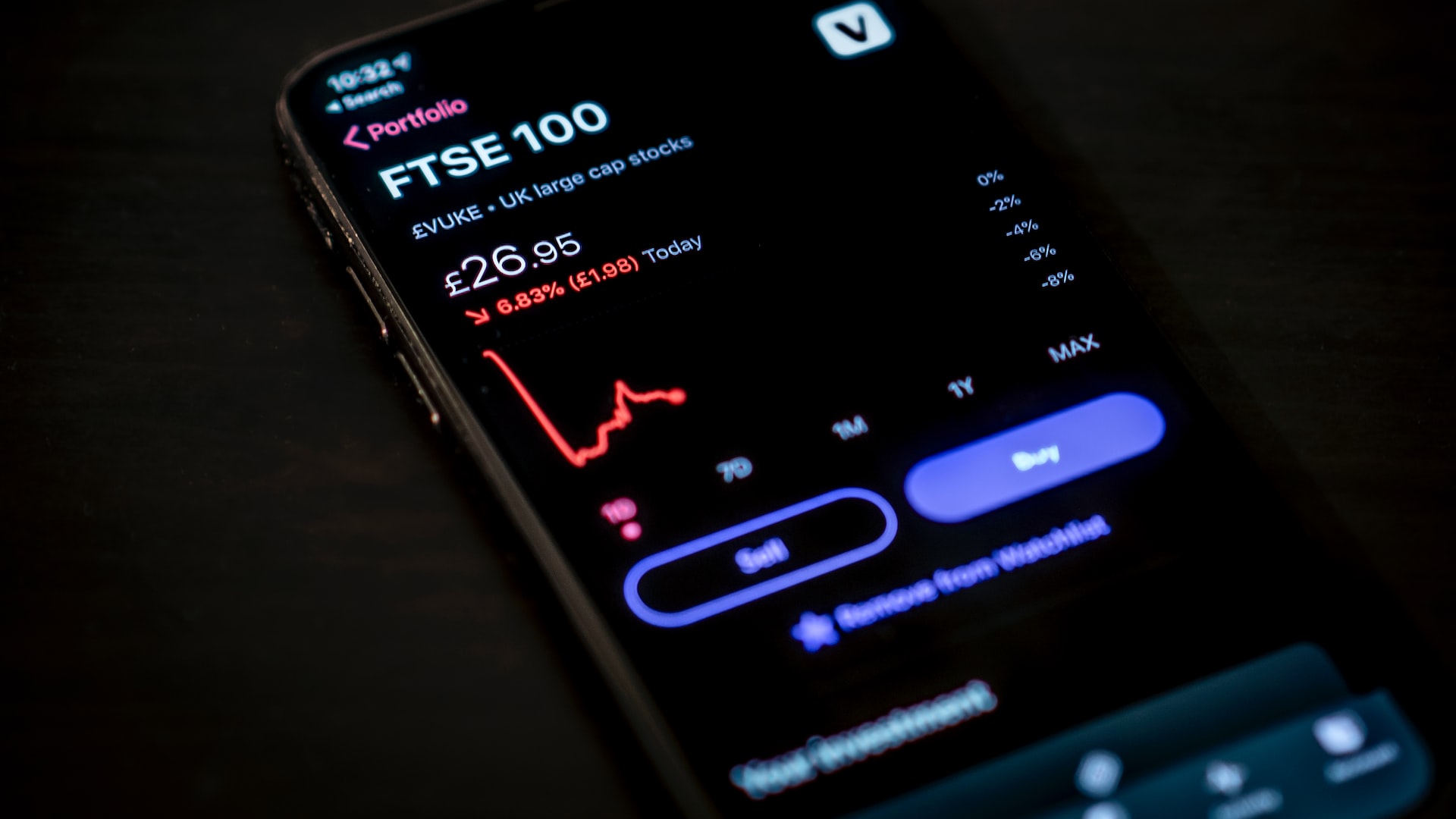
How Does Market Volatility Impact Forex Trading Times?
Understanding the impact of market volatility on forex trading times is crucial for traders looking to maximize their profits and minimize their risks. In this blog post, we will explore how market volatility influences forex trading times and provide insights into how traders can navigate this dynamic environment.
1. The Relationship Between Market Volatility and Trading Times
Market volatility refers to the degree of price fluctuation in a financial market. When market volatility is high, prices can change rapidly, creating lucrative trading opportunities. Conversely, during periods of low volatility, price movements tend to be more subdued, making it challenging for traders to find profitable setups.
The forex market operates 24 hours a day, five days a week, providing ample opportunities for traders to participate in currency trading. However, market volatility can vary significantly depending on the trading session, which affects the quality of trading opportunities available.
2. Forex Trading Sessions
Asian Session
The Asian session is the first major trading session of the day and is characterized by relatively lower volatility compared to other sessions. It begins with the opening of the Tokyo market and overlaps with other Asian markets such as Singapore and Hong Kong. Major currency pairs involving the Japanese yen, such as USD/JPY and EUR/JPY, are particularly active during this session.
European Session
The European session is the most active trading session and often experiences high volatility due to the overlap with major financial centers such as London, Frankfurt, and Paris. This session accounts for a significant portion of forex trading volume and liquidity. Currency pairs involving the euro, such as EUR/USD and EUR/GBP, tend to exhibit increased volatility during this session.
American Session
The American session, also known as the New York session, is characterized by high volatility, particularly during the overlap with the European session. This session sees the participation of major financial centers like New York and Chicago. Currency pairs involving the US dollar, such as USD/JPY and GBP/USD, are actively traded during this session.
3. Impact of Market Volatility on Trading Times
Increased Trading Opportunities
High market volatility often leads to increased trading opportunities. During volatile periods, prices can move significantly in a short period, presenting traders with the potential to profit from large price swings. Traders who prefer quick, short-term trades may find high volatility periods more favorable, as they can capitalize on rapid price movements.
Higher Risk
While high market volatility can present opportunities, it also comes with higher risks. Rapid price movements can result in increased slippage and wider spreads, making it more challenging to execute trades at desired prices. Traders need to be mindful of the potential for sudden price reversals and implement appropriate risk management strategies to mitigate potential losses.
Reduced Volatility and Range-Bound Markets
During periods of low market volatility, trading opportunities may be limited. Prices tend to move within a narrower range, making it more difficult for traders to identify profitable setups. Traders who rely on volatility-based strategies may find it challenging to generate consistent profits during these times.
4. Navigating Market Volatility
Adapt Trading Strategies
Traders should adapt their strategies based on market volatility. During high volatility periods, short-term trading strategies, such as scalping or day trading, may be more suitable. In contrast, during low volatility periods, longer-term trading strategies, such as swing trading or position trading, may be more effective.
Stay Informed
Stay updated with market news, economic indicators, and geopolitical events that can impact market volatility. Being aware of upcoming news releases or events can help traders anticipate potential volatility spikes and adjust their trading plans accordingly.
Utilize Risk Management Tools
Implementing robust risk management practices is essential, regardless of market volatility. Set appropriate stop-loss levels, use proper position sizing, and consider utilizing trailing stops to protect profits during volatile periods. Additionally, diversify your portfolio and avoid overexposure to a single currency pair or market.
Conclusion
Market volatility plays a significant role in forex trading times, impacting the quality and frequency of trading opportunities. Traders need to understand the relationship between market volatility and trading sessions to optimize their trading strategies. By adapting their approaches based on market conditions, staying informed, and implementing effective risk management techniques, traders can navigate market volatility and increase their chances of success in the forex market.