Factors to Consider When Choosing a Forex Broker
Introduction
Choosing the right forex broker is essential for successful forex trading. With numerous brokers available, it’s important to consider certain factors to ensure you find a reliable and suitable broker. In this article, we will discuss the key factors you should consider when choosing a forex broker.
1. Regulation and Reputation
Ensuring Trustworthiness and Security
One of the most critical factors to consider is the regulation and reputation of the forex broker. Look for brokers regulated by reputable financial authorities, such as the Financial Conduct Authority (FCA) or the Securities and Exchange Commission (SEC). Regulation ensures that the broker operates under strict guidelines, providing a level of protection for your funds. Additionally, research the broker’s reputation by reading reviews and checking for any past regulatory issues or client complaints.
2. Trading Platform and Tools
Considering User-Friendliness and Functionality
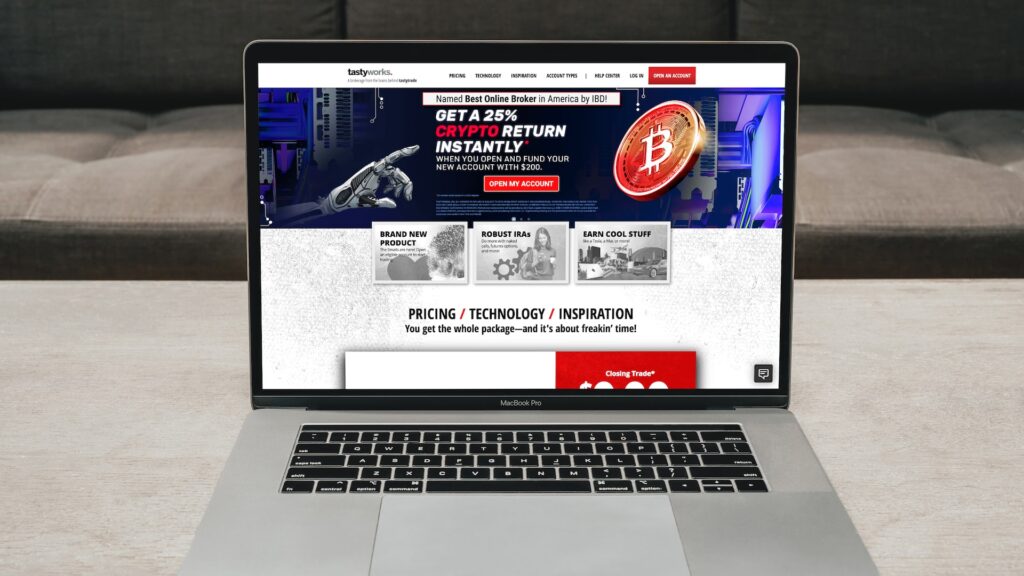
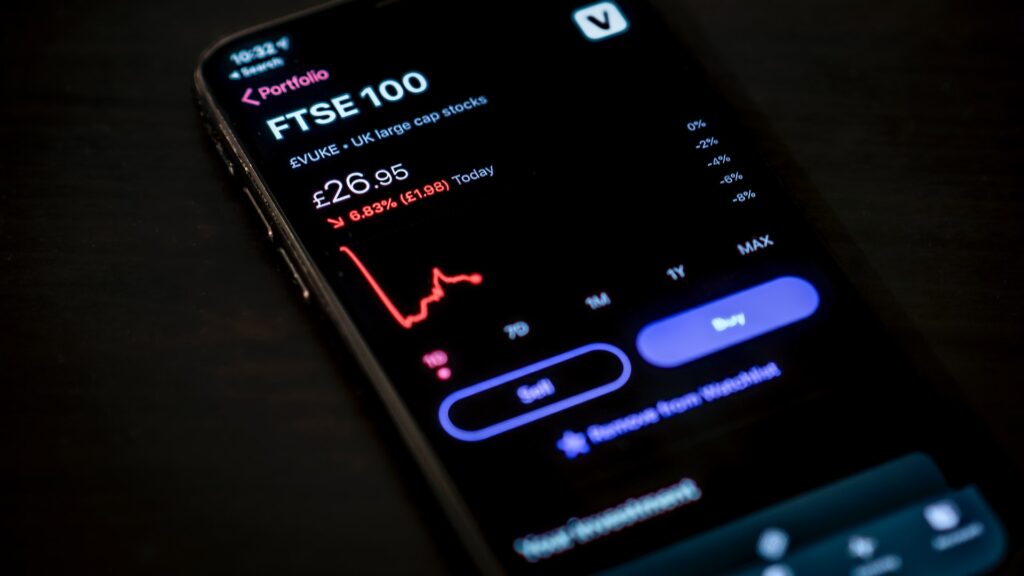
Assess the trading platform and tools offered by the broker. A user-friendly and intuitive platform is essential for executing trades efficiently. Look for features such as real-time market data, advanced charting tools, and order execution capabilities. Ensure the platform is stable and available on multiple devices, including desktop and mobile. Some brokers may also provide additional tools like economic calendars, trading signals, or educational resources.
3. Spreads and Fees
Evaluating Trading Costs
Consider the spreads and fees charged by the broker. Spreads are the difference between the buying and selling price of a currency pair, and they can significantly impact your trading costs. Look for brokers with competitive and transparent spreads. Additionally, be aware of any commission charges, account maintenance fees, or withdrawal fees. Consider the overall trading costs and how they may affect your profitability in the long run.
4. Account Types and Minimum Deposit
Finding the Right Account for Your Needs
Assess the different account types offered by the broker and determine which one suits your trading style and capital. Some brokers offer various account types, such as standard accounts, mini accounts, or even Islamic accounts. Consider the minimum deposit requirement and ensure it aligns with your budget. Additionally, check if the broker offers demo accounts for practice purposes before committing real funds.
5. Customer Support and Education
Ensuring Responsive and Helpful Assistance
Good customer support is crucial when issues arise or if you have questions about the trading platform or account. Look for brokers that offer multiple channels of communication, such as phone, email, or live chat. Test their response time and assess the quality of their support. Additionally, consider brokers that provide educational resources, webinars, or tutorials to help you enhance your trading knowledge and skills.
Conclusion
Choosing the right forex broker is a vital decision for any forex trader. Consider factors such as regulation and reputation, trading platform and tools, spreads and fees, account types, and customer support. By conducting thorough research and evaluation, you can find a reliable broker that aligns with your trading needs and helps you succeed in the forex market.