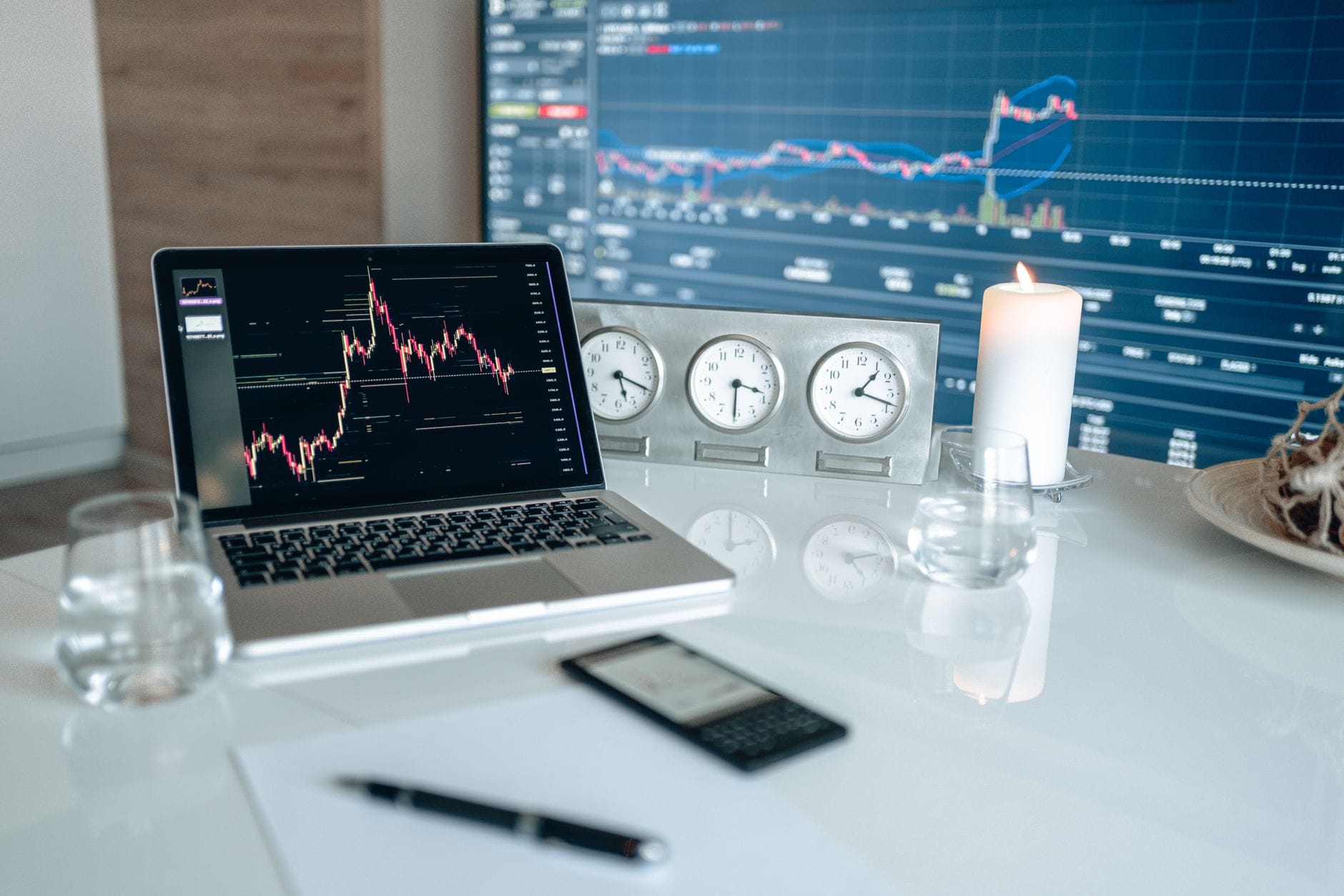
Forex trading hours sessions span 24 hours a day, five days a week, divided into four major market sessions: Sydney, Tokyo, London, and New York. The forex market opens Sunday at 5:00 PM EST with the Sydney session and closes Friday at 5:00 PM EST when the New York session ends. Each session has distinct characteristics in terms of volatility, liquidity, and currency pair activity.
How It Works
The forex market operates continuously because trading shifts from one financial center to the next as the earth rotates. There is no single centralized exchange. Instead, banks, institutions, and retail traders across different time zones create an unbroken chain of activity.
The four major sessions and their approximate hours (in EST) are:
- Sydney Session: 5:00 PM – 2:00 AM EST
- Tokyo Session: 7:00 PM – 4:00 AM EST
- London Session: 3:00 AM – 12:00 PM EST
- New York Session: 8:00 AM – 5:00 PM EST
These sessions overlap at certain hours, creating periods of heightened trading volume. The London-New York overlap (8:00 AM – 12:00 PM EST) is the most liquid and volatile window in the forex market, accounting for roughly 50% of daily trading volume. The Tokyo-London overlap (3:00 AM – 4:00 AM EST) is shorter but still produces notable price movement in pairs like EUR/JPY and GBP/JPY.
Each session tends to drive specific currency pairs. The Tokyo session sees heavy activity in JPY, AUD, and NZD pairs. The London session dominates EUR, GBP, and CHF trading. The New York session focuses on USD and CAD pairs. Traders who align their strategies with the appropriate session can take advantage of tighter spreads and more predictable price behavior during peak liquidity.
Volume and volatility drop significantly during non-overlapping hours, particularly during the late Sydney and early Tokyo sessions. Spreads widen during these quieter periods, increasing transaction costs.
Common Misconceptions
"The forex market is equally active at all hours." This is incorrect. While the market is technically open 24 hours, liquidity varies dramatically. Trading EUR/USD during the Tokyo session, for example, often results in wider spreads and sluggish price action compared to the London-New York overlap.
"Weekends are completely dead." The spot forex market closes to retail traders over the weekend, but geopolitical events and economic developments can cause gaps when the market reopens on Sunday evening. Prices do not freeze — they simply are not accessible to most participants.
"More hours of trading means more opportunity." Trading during low-liquidity periods increases slippage risk and can trigger false breakouts. Strategic traders select specific sessions that match their preferred pairs and volatility tolerance rather than trading around the clock.
Quick Reference
- The forex market is open 24 hours a day from Sunday 5:00 PM EST to Friday 5:00 PM EST
- The London-New York overlap (8:00 AM – 12:00 PM EST) produces the highest daily volume
- Spreads tend to widen during the Sydney session when global liquidity is lowest
- Each session favors specific currency pairs tied to its regional economy
- Daylight saving time shifts session hours by one hour in affected regions
Related Questions
What is the most volatile forex trading session?
How does daylight saving time affect forex market hours?
Which currency pairs are most active during the London session?
Join our Telegram community for real-time forex insights and session-based trading discussion: https://t.me/+mVscKiyLiekwMzdl