What Is the Role of a Forex Broker in Trading?
When it comes to trading in the forex market, a forex broker plays a crucial role in facilitating transactions and providing essential services to individual traders and institutional investors. In this blog post, we will explore the role of a forex broker and understand why they are an integral part of the forex trading ecosystem.
1. Facilitating Trading Execution
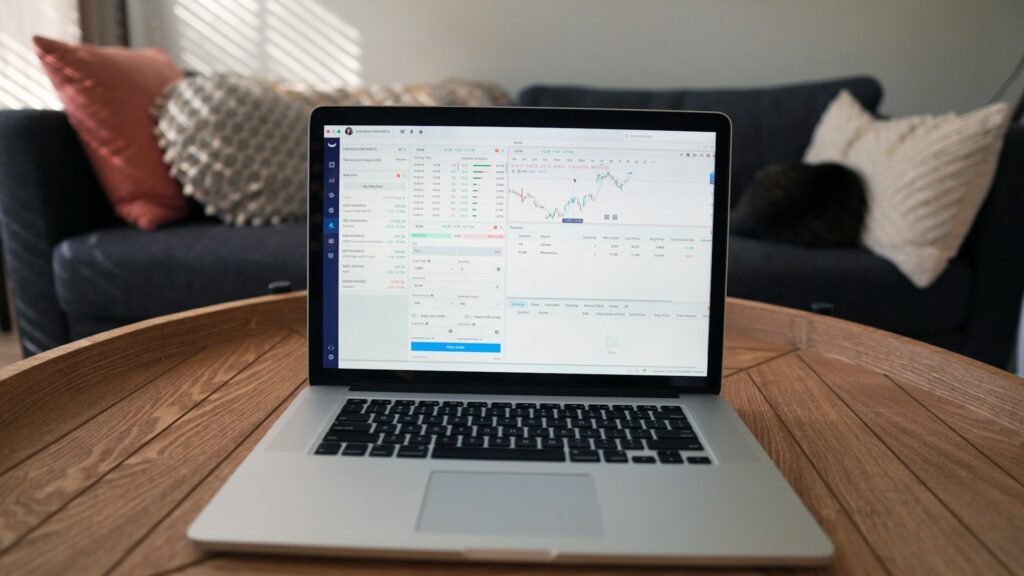
One of the primary roles of a forex broker is to facilitate the execution of trades on behalf of their clients. They provide a platform or trading software that enables traders to access the forex market and execute buy and sell orders. The broker acts as an intermediary between the trader and the market, ensuring that orders are executed promptly and at the best available prices.
1.1. Providing Trading Platforms
Forex brokers offer various trading platforms, such as MetaTrader 4 (MT4) or MetaTrader 5 (MT5), which are widely used in the industry. These platforms provide traders with essential tools and features, including live price charts, technical indicators, and order management functions, to assist them in analyzing the market and executing trades efficiently.
2. Offering Market Access
A forex broker provides traders with access to the global forex market, which operates 24 hours a day, five days a week. Through their trading platforms, brokers connect traders to liquidity providers, such as banks and financial institutions, allowing them to trade various currency pairs and take advantage of market opportunities.
2.1. Currency Pair Availability
Forex brokers offer a wide range of currency pairs for trading, including major pairs (e.g., EUR/USD, GBP/USD), minor pairs (e.g., AUD/CAD, NZD/JPY), and exotic pairs (e.g., USD/ZAR, EUR/TRY). This enables traders to diversify their portfolios and trade different combinations of currencies according to their trading strategies and market outlook.
3. Providing Market Analysis and Research
Many forex brokers offer market analysis tools, research reports, and educational resources to assist traders in making informed trading decisions. Through these resources, brokers provide insights into market trends, economic indicators, and potential trading opportunities, helping traders stay updated and improve their trading strategies.
3.1. Economic Calendar and News Updates
Forex brokers often provide an economic calendar that displays upcoming economic events and data releases that can impact the forex market. They also offer news updates and analysis, highlighting significant market developments and their potential impact on currency prices. By staying informed, traders can make timely decisions and adjust their trading strategies accordingly.
4. Offering Account Types and Services
Forex brokers typically offer different types of trading accounts to cater to the diverse needs of traders. These accounts may vary in terms of minimum deposit requirements, leverage options, spreads, and additional services. Brokers also provide customer support to assist traders with any account-related queries or technical issues they may encounter.
4.1. Demo Accounts
Many brokers offer demo accounts, which allow traders to practice trading with virtual funds in a simulated trading environment. Demo accounts are valuable for beginners to familiarize themselves with the trading platform and test their strategies without risking real money.
Conclusion
A forex broker plays a vital role in the world of forex trading. They enable traders to access the market, execute trades, and provide essential tools, resources, and support to enhance the trading experience. Whether you are a beginner or an experienced trader, choosing a reliable and reputable forex broker is crucial for your success in the forex market.