What Role Does a Forex Trading Broker Play in Forex Trading?
Forex trading brokers play a crucial role in the world of forex trading. They act as intermediaries between individual traders and the global forex market, providing essential services and facilitating trading activities. In this blog post, we will explore the key roles that forex trading brokers play to help you understand their significance in the forex trading ecosystem.
1. Facilitating Market Access
A primary role of forex trading brokers is to provide traders with access to the forex market. The forex market operates globally and around the clock, making it challenging for individual traders to directly participate. Brokers bridge this gap by offering trading platforms that connect traders to the market, allowing them to buy and sell currencies.
1.1. Trading Platforms and Tools
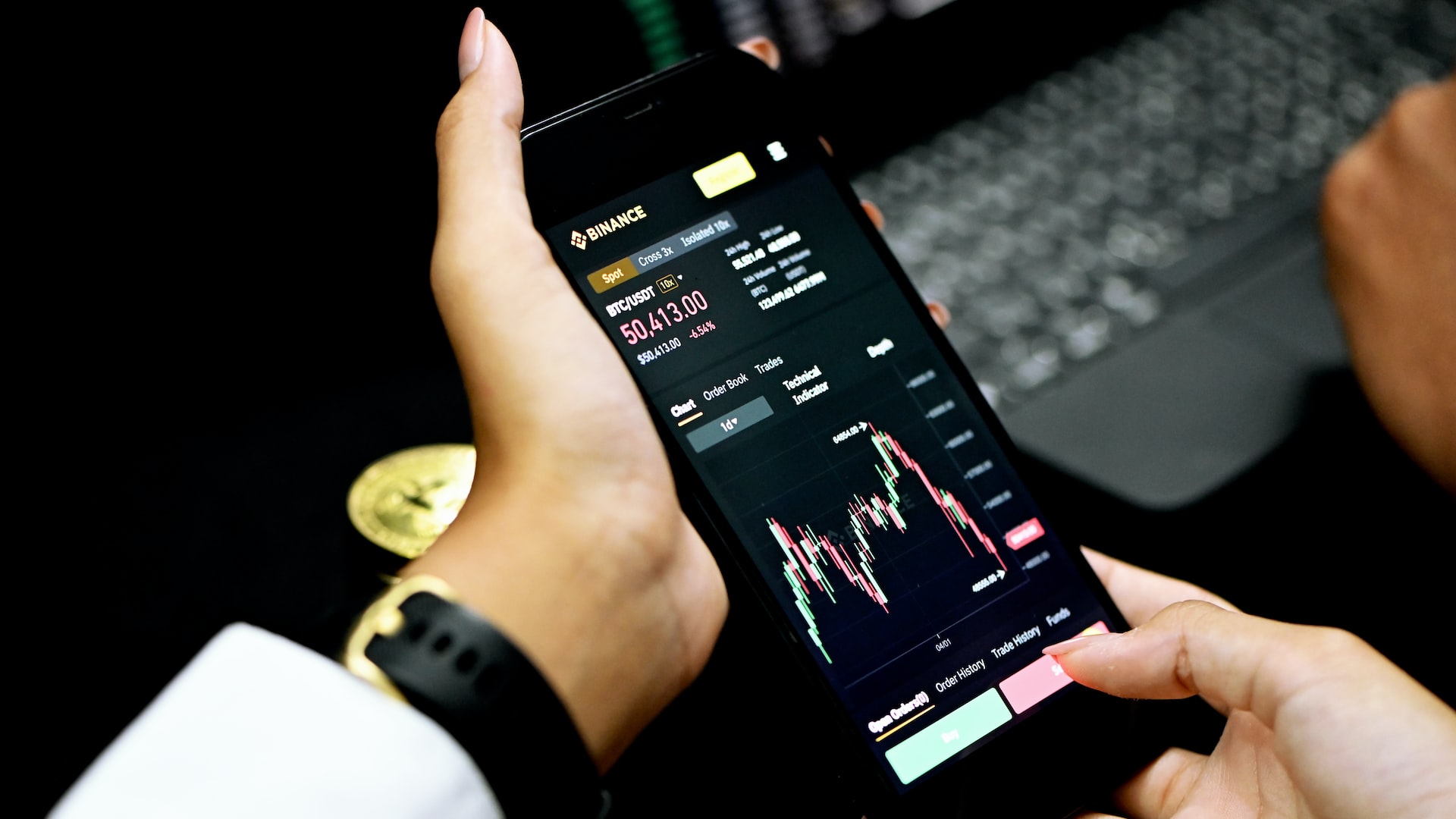
Forex brokers provide traders with trading platforms, such as MetaTrader 4 (MT4) or MetaTrader 5 (MT5), which serve as the interface for accessing the market. These platforms offer essential tools and features, including real-time price charts, technical indicators, and order execution functions, empowering traders to analyze the market and execute trades efficiently.
2. Executing Trades
Forex brokers facilitate the execution of trades on behalf of their clients. When a trader places an order to buy or sell a currency pair, the broker ensures that the order is executed at the best available price in the market. They maintain relationships with liquidity providers, such as banks and financial institutions, to ensure sufficient liquidity for executing trades.
2.1. Order Types and Execution Speed
Forex brokers offer different order types, including market orders, limit orders, and stop orders, to give traders flexibility in executing their trades. They strive to execute orders quickly and efficiently, minimizing slippage and ensuring that traders can enter or exit positions at their desired prices.
3. Providing Market Analysis and Research
Many forex brokers offer market analysis and research tools to assist traders in making informed trading decisions. They provide insights into market trends, economic indicators, and potential trading opportunities through research reports, technical analysis, and news updates.
3.1. Economic Calendars and News Feeds
Forex brokers often provide economic calendars that display upcoming economic events and data releases. These calendars help traders stay informed about events that may impact currency prices. Brokers also offer news feeds and analysis, keeping traders updated on market developments and providing valuable insights for their trading strategies.
4. Offering Educational Resources and Support
Forex brokers understand the importance of education and support for traders, especially beginners. Many brokers provide educational resources, including tutorials, webinars, and trading guides, to help traders enhance their knowledge and skills. They also offer customer support services to assist traders with any account-related queries or technical issues.
4.1. Demo Accounts
Forex brokers often offer demo accounts, allowing traders to practice trading with virtual funds in a risk-free environment. Demo accounts are valuable for beginners to familiarize themselves with the trading platform and test their strategies before trading with real money.
Conclusion
In summary, forex trading brokers play a vital role in facilitating forex trading activities. They provide traders with access to the forex market, execute trades, offer market analysis and research tools, and provide educational resources and support. Choosing a reliable and reputable forex broker is essential for a smooth and successful trading experience. By understanding the roles and services that brokers offer, traders can make informed decisions and maximize their potential in the forex market.