Introduction
In the world of forex trading, a forex trading broker plays a crucial role as an intermediary between individual traders and the global foreign exchange market. Understanding the role of a forex trading broker is essential for anyone interested in participating in the forex market. In this blog post, we will explore what a forex trading broker is, their functions, and how they facilitate trading activities for individuals.
1. Definition of a Forex Trading Broker
A forex trading broker is a financial institution or an individual that enables traders to access the forex market and execute trades. They act as intermediaries, connecting traders with liquidity providers, such as banks, financial institutions, and other market participants. Forex brokers provide a trading platform and various tools and services that allow traders to buy and sell currencies in the forex market.
2. Functions of a Forex Trading Broker
2.1. Providing Trading Platforms
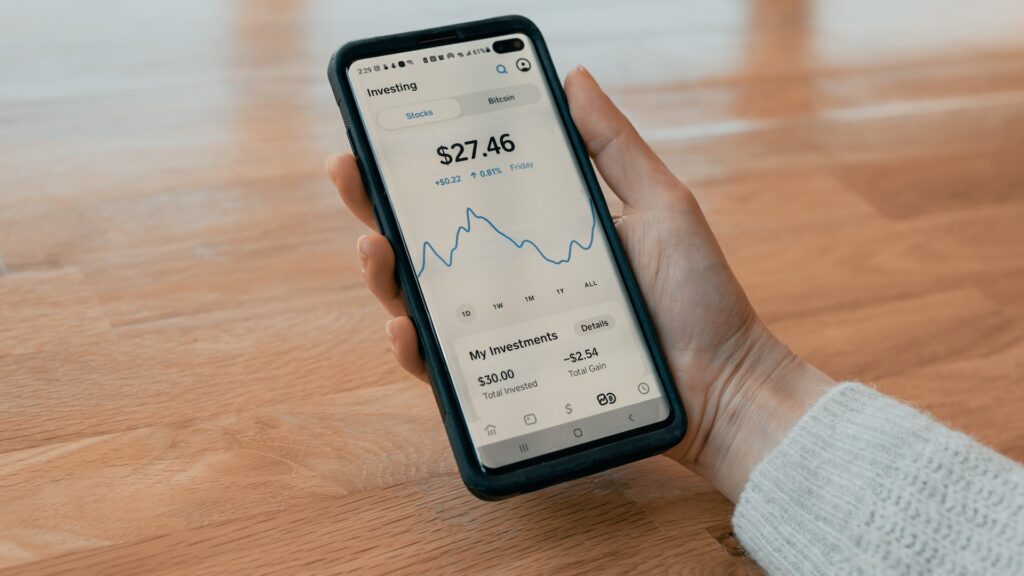
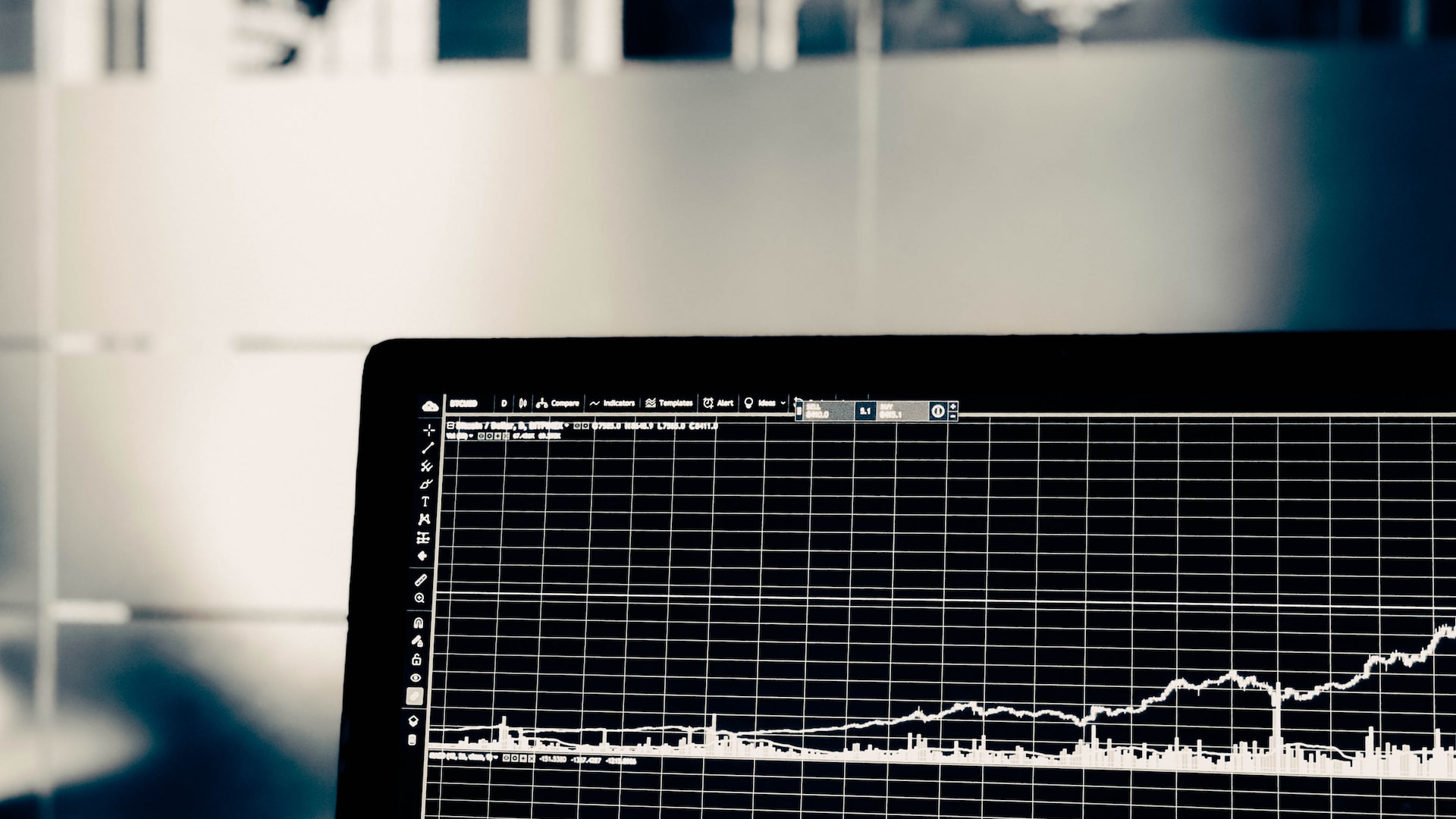
A forex trading broker offers a trading platform, which is a software interface that allows traders to access the forex market. These platforms provide real-time market data, charting tools, and order execution capabilities. Traders can use the platform to analyze market trends, place trades, and manage their positions.
2.2. Order Execution
Forex brokers execute traders’ orders in the forex market. When a trader places a buy or sell order, the broker routes the order to liquidity providers who fulfill the trades. Brokers aim to execute trades quickly and at the best available prices to ensure efficient and fair trading for their clients.
2.3. Providing Leverage
Forex brokers often offer leverage, which allows traders to control larger positions in the market with a smaller amount of capital. Leverage amplifies both potential profits and losses. Traders need to understand the risks associated with leverage and use it judiciously.
2.4. Offering Trading Tools and Resources
Forex brokers provide traders with various trading tools and resources to assist them in their trading activities. These may include technical analysis indicators, economic calendars, educational materials, and research reports. These tools help traders make informed decisions and enhance their trading strategies.
2.5. Managing Accounts and Funds
Forex brokers manage traders’ accounts and funds. Traders can deposit funds into their trading accounts, and brokers ensure the security of these funds. Brokers may also offer additional services such as account management, automated trading systems, and risk management tools.
3. Choosing the Right Forex Trading Broker
Choosing the right forex trading broker is crucial for a successful trading experience. Here are some factors to consider when selecting a broker:
3.1. Regulation and Security
Ensure that the broker is regulated by a reputable financial authority. Regulation helps protect traders’ funds and ensures fair trading practices. Look for brokers that have strong security measures in place to safeguard your personal and financial information.
3.2. Trading Platform and Tools
Consider the trading platform and tools provided by the broker. The platform should be user-friendly, stable, and offer the necessary features for your trading style. Evaluate the availability of charting tools, order types, and other functionalities that are important to you.
3.3. Spreads and Commissions
Compare the spreads and commissions charged by different brokers. Lower spreads can reduce trading costs, especially for frequent traders. However, be cautious of brokers offering excessively low spreads, as they may compensate for it in other ways.
3.4. Customer Support
Assess the quality and responsiveness of the broker’s customer support. A reliable broker should provide prompt assistance and support to address any trading-related queries or technical issues that may arise.
Conclusion
A forex trading broker acts as a bridge between individual traders and the forex market. They provide traders with access to trading platforms, execute orders, offer leverage, provide trading tools and resources, and manage accounts and funds. Choosing the right forex trading broker is essential for a successful trading experience. Consider factors such as regulation, trading platform, spreads and commissions, and customer support when selecting a broker. By understanding the role of a forex trading broker and making informed choices, traders can navigate the forex market with confidence and potentially achieve their trading goals.