Introduction
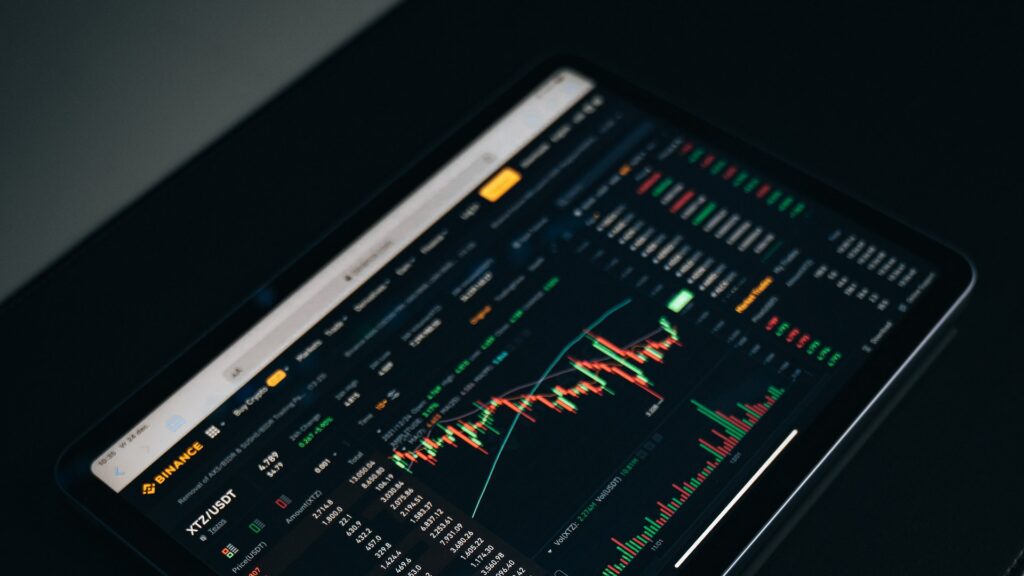
Economic trends play a vital role in shaping the dynamics of the forex market. As the largest and most liquid financial market globally, forex is highly responsive to changes in economic conditions. In this blog post, we will explore how economic trends influence forex markets and discuss the key factors that traders should consider when analyzing these trends.
1. Interest Rates and Monetary Policy
1.1. Central Bank Decisions
Central banks have the power to influence interest rates and monetary policy, which can significantly impact forex markets. When a central bank raises interest rates, it attracts foreign investment and strengthens the currency. Conversely, a decrease in interest rates can lead to currency depreciation.
1.2. Inflation Rates
Inflation rates also play a crucial role in forex markets. Higher inflation erodes the purchasing power of a currency, leading to depreciation. Central banks monitor inflation closely and may adjust interest rates accordingly to maintain price stability, which in turn affects forex trading.
2. GDP Growth and Economic Performance
2.1. Gross Domestic Product (GDP)
Gross Domestic Product (GDP) is a fundamental economic indicator that reflects the overall economic performance of a country. Forex markets react to changes in GDP growth rates, with stronger growth typically leading to currency appreciation and weaker growth resulting in depreciation.
2.2. Trade Balance
The trade balance, which measures the difference between a country’s exports and imports, is another crucial economic factor influencing forex markets. A positive trade balance, indicating higher exports than imports, can strengthen a currency, while a negative trade balance can lead to depreciation.
3. Political and Geopolitical Factors
3.1. Political Stability
Political stability is vital for forex markets. Countries with stable political environments attract foreign investment, which strengthens their currency. Conversely, political instability, such as elections, regime changes, or geopolitical tensions, can lead to currency volatility and depreciation.
3.2. Geopolitical Events
Geopolitical events, such as trade disputes, conflicts, or international agreements, can have a significant impact on forex markets. These events can create uncertainty, affect trade flows, and influence investor sentiment, leading to currency fluctuations.
4. Market Sentiment and Risk Appetite
4.1. Risk-On and Risk-Off Sentiment
Market sentiment and risk appetite are crucial factors in forex trading. During periods of risk-on sentiment, investors are more willing to take risks, leading to higher-yielding currencies strengthening. Conversely, risk-off sentiment prompts investors to seek safe-haven assets, such as the US dollar, Japanese yen, or Swiss franc.
4.2. Economic Indicators and Market Expectations
Economic indicators, such as employment data, consumer confidence, or manufacturing indexes, provide insights into a country’s economic health. Forex markets react to these indicators based on whether they meet, exceed, or fall short of market expectations. Deviations from expectations can cause significant currency movements.
Conclusion
Economic trends exert a powerful influence on forex markets. Traders need to closely monitor interest rates, economic indicators, political stability, and market sentiment to make informed trading decisions. Understanding how economic factors shape forex markets is crucial for successfully navigating the complexities of the foreign exchange market.