Introduction
Forex trading involves buying and selling currencies to profit from fluctuations in exchange rates. While individuals can trade forex directly through banks or other financial institutions, many traders rely on forex brokers to facilitate their trading activities. In this blog post, we will explore the role of a forex broker in trading and how they contribute to the overall trading experience.
1. Providing Access to the Forex Market
A primary role of a forex broker is to provide individual traders with access to the forex market. The forex market is a decentralized global market where currencies are traded. Brokers act as intermediaries, connecting traders with liquidity providers such as banks, financial institutions, and other traders. By opening a trading account with a broker, individuals can participate in the forex market and trade various currency pairs.
2. Executing Trades
Forex brokers play a crucial role in executing trades on behalf of their clients. When traders place an order to buy or sell a currency pair, the broker ensures the order is executed at the best available price in the market. Brokers use sophisticated trading platforms that allow traders to enter their desired trade parameters, including the currency pair, trade size, and order type. The broker then executes the trade instantly or at the specified price or conditions.
3. Providing Trading Platforms
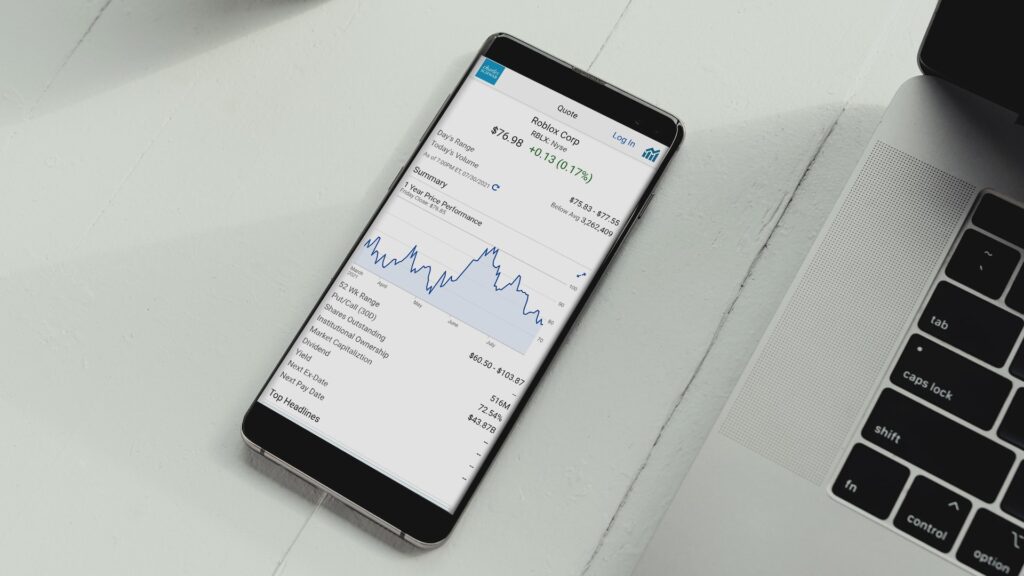
Forex brokers provide traders with trading platforms, which are software applications or online interfaces that allow traders to access the forex market, analyze market data, and execute trades. The trading platform provided by the broker is where traders can view real-time currency prices, access charts and technical indicators, and manage their trading accounts. Brokers often offer a variety of platforms to cater to different trading styles and preferences.
4. Offering Leverage
Another important role of forex brokers is to offer leverage to traders. Leverage allows traders to control larger positions in the market with a smaller amount of capital. For example, a broker may offer leverage of 1:100, which means that for every $1 of trader’s capital, they can control a position worth $100. This amplifies potential profits but also increases the risk. Brokers manage leverage and set margin requirements to ensure traders maintain sufficient funds in their accounts to cover potential losses.
5. Providing Market Research and Analysis
Forex brokers often provide market research and analysis to help traders make informed trading decisions. This can include daily or weekly market updates, economic calendars, technical analysis reports, and trading signals. By providing valuable insights and information, brokers assist traders in identifying potential trading opportunities, understanding market trends, and managing risk.
6. Offering Customer Support
Customer support is an essential aspect of a forex broker’s role. Brokers provide customer support to assist traders with any queries, technical issues, or account management. Support may be offered through various channels such as phone, email, or live chat. Reliable and responsive customer support is crucial for a smooth trading experience and can help traders overcome challenges and navigate the complexities of forex trading.
Conclusion
A forex broker plays a crucial role in enabling individuals to participate in the forex market. From providing access to the market and executing trades to offering trading platforms, leverage, market research, and customer support, brokers contribute to the overall trading experience. Choosing a reliable and reputable broker is essential for successful forex trading. By understanding the role of a forex broker, traders can make informed decisions and maximize their trading potential.