

Introduction
Volatility is a crucial concept in forex trading that influences market behavior and trading strategies. In this blog post, we will explore what volatility means in the context of forex trading and why it is important for traders to understand its implications.
1. Definition of Volatility
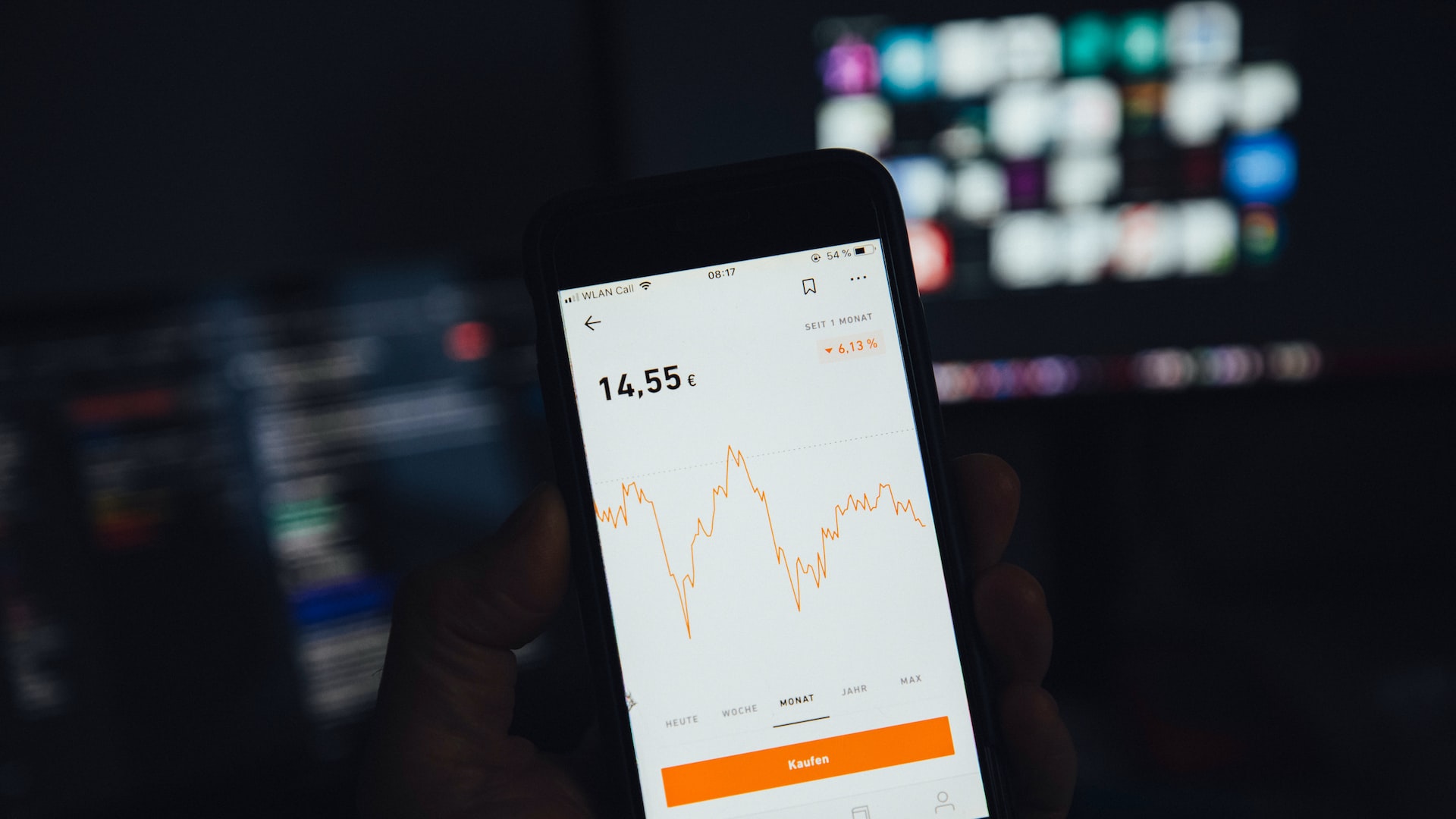
Volatility refers to the degree of price fluctuation observed in a financial instrument, such as a currency pair. It measures the speed and magnitude of price movements over a specific period. In forex trading, volatility indicates the level of uncertainty or risk associated with a particular currency pair. Highly volatile pairs experience significant price swings, while low volatility pairs exhibit more stable price movements.
2. Factors Affecting Volatility
Several factors influence volatility in the forex market:
2.1 Economic Data and News
Economic indicators, such as GDP growth, inflation rates, or central bank decisions, can significantly impact currency values and market volatility. Positive or negative surprises in economic data releases can lead to sudden price movements and increased volatility.
2.2 Market Liquidity
The level of market liquidity affects volatility. High liquidity tends to result in smoother price movements, while low liquidity can amplify volatility and lead to wider bid-ask spreads. Liquidity can be influenced by trading volumes, market participants, and trading sessions.
2.3 Geopolitical Events
Geopolitical events, such as elections, political unrest, or trade disputes, can have a significant impact on currency values and market volatility. Unexpected political developments or policy changes can cause sharp price movements and increased volatility.
3. Importance of Volatility in Forex Trading
Understanding volatility is crucial for forex traders due to the following reasons:
3.1 Trading Opportunities
Volatility creates trading opportunities. High volatility often leads to significant price movements, which can result in profitable trading opportunities for traders who can accurately anticipate and react to these price swings. Traders can employ various strategies, such as breakout trading or trend following, to capitalize on volatility-induced price movements.
3.2 Risk Management
Volatility is directly linked to risk in forex trading. Higher volatility implies greater risk as price movements can be more unpredictable and rapid. Traders need to adjust their risk management strategies to account for higher volatility, such as setting appropriate stop-loss orders or position sizes, to protect their capital and limit potential losses.
3.3 Trading Style and Strategy Selection
Volatility affects the suitability of different trading styles and strategies. Some traders thrive in high-volatility environments, while others prefer more stable market conditions. Understanding the volatility characteristics of currency pairs can help traders select the most appropriate trading style and strategy for their preferences and risk tolerance.
Conclusion
Volatility is a vital aspect of forex trading that influences market behavior and trading outcomes. By understanding the definition of volatility, the factors affecting it, and its importance in trading opportunities and risk management, traders can make more informed decisions and adapt their strategies to different market conditions. Remember, volatility is an inherent feature of the forex market, and mastering its implications is essential for successful trading.