Introduction
Choosing the right forex broker is crucial for successful trading in the foreign exchange market. With so many brokers available, it’s important to evaluate certain key criteria to ensure you make an informed decision. In this article, we will discuss the key criteria that you should consider when selecting a forex broker.
1. Regulatory Compliance
Regulatory Authorities
One of the most important factors to consider is the regulatory compliance of the forex broker. Look for brokers that are regulated by reputable financial authorities such as the Financial Conduct Authority (FCA) in the UK, the Securities and Exchange Commission (SEC) in the United States, or the Australian Securities and Investments Commission (ASIC) in Australia. Regulation provides a level of protection and ensures that the broker operates in accordance with industry standards.
Fund Security
Ensure that the broker provides a high level of fund security. Look for brokers that keep client funds in segregated accounts, separate from their own operational funds. This helps protect your funds in the event of the broker’s insolvency. Additionally, consider brokers that offer account protection through compensation schemes or insurance coverage.
2. Trading Platform and Tools
Platform Features
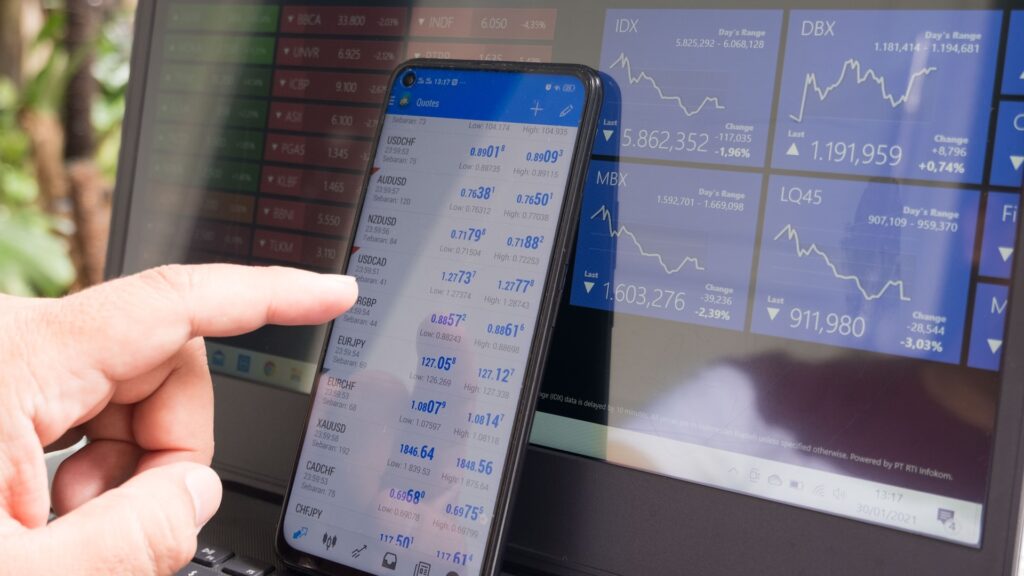
Evaluate the trading platform offered by the broker. It should be user-friendly, reliable, and offer a range of features that cater to your trading needs. Consider platforms like MetaTrader 4 (MT4) or MetaTrader 5 (MT5), which are popular and widely used in the forex industry. These platforms provide advanced charting tools, technical indicators, and the ability to automate your trading strategies.
Execution Speed
Fast and reliable trade execution is crucial in forex trading. Look for brokers that offer low latency and fast execution speeds. A broker with a strong technology infrastructure and servers located near major liquidity providers can help ensure timely and accurate trade execution.
3. Range of Tradable Instruments
Currency Pairs
Consider the range of currency pairs offered by the broker. Look for brokers that provide a wide selection of major, minor, and exotic currency pairs. A diverse range of currency pairs allows you to take advantage of various market opportunities and implement different trading strategies.
Additional Instruments
Some forex brokers also offer other financial instruments such as commodities, indices, stocks, or cryptocurrencies. If you have an interest in trading these instruments, consider a broker that provides access to them. Having a diversified portfolio of tradable assets can help you optimize your trading strategies.
4. Cost of Trading
Spreads and Commissions
Compare the spreads and commissions charged by different brokers. Lower spreads can reduce your trading costs and increase your potential profits. However, be cautious of brokers that offer excessively low spreads, as they may compensate for it through other fees or poor trade execution quality. Consider brokers that offer transparent and competitive pricing structures.
Deposit and Withdrawal Fees
Check if the broker charges any fees for deposits or withdrawals. Some brokers may impose fees or have certain conditions for depositing or withdrawing funds. It’s important to understand these fees upfront to avoid any surprises later on.
5. Customer Support
Availability and Responsiveness
Consider the availability and responsiveness of the broker’s customer support. Look for brokers that offer multiple channels of communication, such as live chat, email, or phone support. Prompt and helpful customer support can assist you with any issues or concerns that may arise during your trading journey.
Additional Services
Some brokers offer additional services such as educational resources, market analysis, or trading signals. These can be valuable tools for enhancing your trading skills and staying updated with market trends. Consider brokers that provide such resources to support your trading journey.
Conclusion
When selecting a forex broker, it’s important to consider several key criteria. Look for brokers that are regulated and offer a high level of fund security. Evaluate the trading platform and tools provided, considering their user-friendliness and reliability. Assess the range of tradable instruments and the competitiveness of trading costs. Finally, prioritize brokers that offer responsive customer support and additional services that align with your trading needs. By considering these key criteria, you can find a forex broker that meets your requirements and supports your trading success.