What are the Basics of Forex Trading?
Forex trading, also known as foreign exchange trading, is the buying and selling of currencies on the global market. It is a decentralized market where participants trade one currency for another, with the goal of profiting from fluctuations in exchange rates. In this article, we will explore the basics of forex trading, including how it works, key terminology, and essential concepts that every beginner should understand.
1. Understanding the Forex Market
The forex market operates 24 hours a day, five days a week, allowing traders to engage in currency trading at any time. It is the largest and most liquid financial market globally, with trillions of dollars traded daily. The primary participants in the forex market are banks, financial institutions, corporations, governments, and individual traders.
2. Currency Pairs
In forex trading, currencies are always traded in pairs. Each currency pair consists of a base currency and a quote currency. The base currency is the currency you are buying or selling, while the quote currency is the currency you are using to make the transaction.
For example, in the currency pair EUR/USD, the euro (EUR) is the base currency, and the US dollar (USD) is the quote currency. The exchange rate represents the value of the base currency in terms of the quote currency.
3. Bid and Ask Prices
When trading forex, you will come across two prices: the bid price and the ask price. The bid price is the price at which you can sell the base currency, while the ask price is the price at which you can buy the base currency.
The difference between the bid and ask price is known as the spread, and it represents the cost of the trade. Spreads can vary depending on market conditions and the currency pair being traded.
4. Pips and Lots
A pip is the smallest unit of measurement in forex trading and stands for “percentage in point.” It represents the incremental movement in the exchange rate. Most currency pairs are quoted to the fourth decimal place, so a pip is typically equivalent to 0.0001.
Lot size refers to the volume or size of a trade. The standard lot size in forex trading is 100,000 units of the base currency. However, there are also smaller lot sizes available, such as mini lots (10,000 units) and micro lots (1,000 units). Lot size determines the value of each pip movement in a trade.
5. Trading Strategies
There are various trading strategies that forex traders use to analyze the market and make trading decisions. Some common strategies include:
a. Technical Analysis:
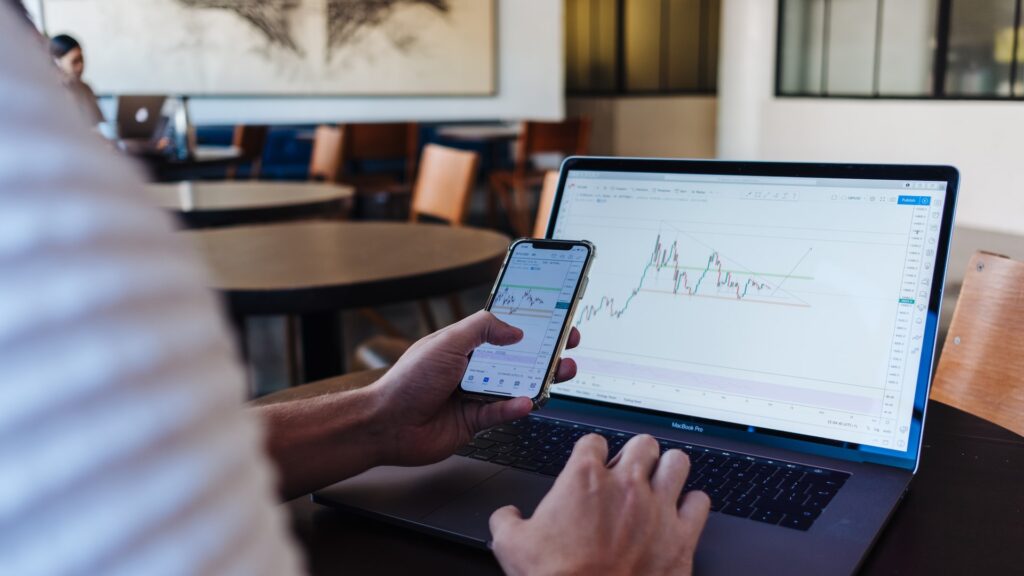
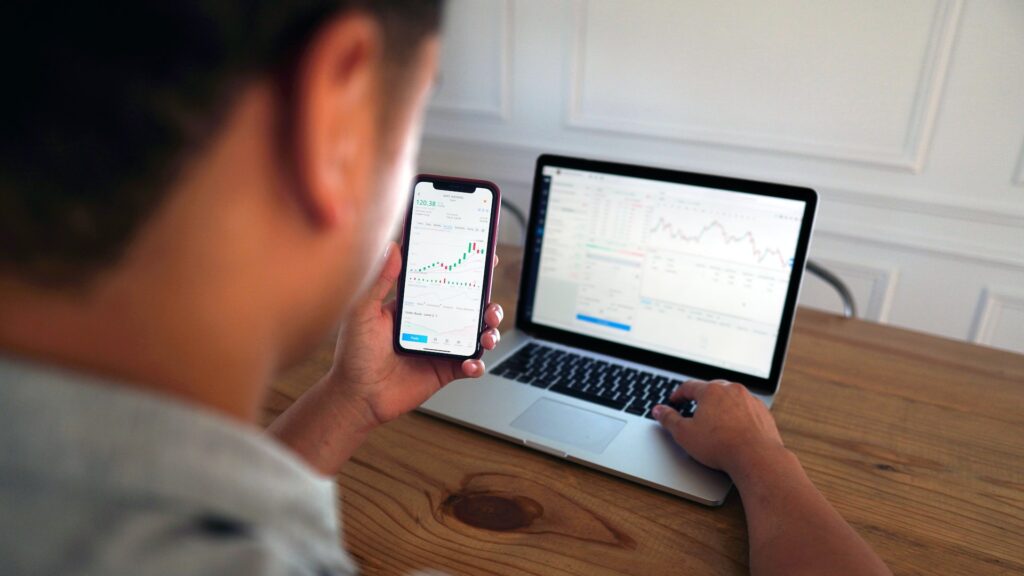
Technical analysis involves the study of historical price data and the use of indicators to identify patterns or trends. Traders analyze charts and use tools like moving averages, oscillators, and support and resistance levels to predict future price movements.
b. Fundamental Analysis:
Fundamental analysis focuses on analyzing economic, social, and political factors that can influence currency prices. Traders monitor economic indicators, news releases, and geopolitical events to make informed trading decisions.
c. Risk Management:
Risk management is a crucial aspect of forex trading. Traders use techniques such as setting stop-loss orders, which automatically close a trade at a predetermined level to limit potential losses.
Conclusion
Forex trading offers individuals the opportunity to participate in the global currency market and potentially profit from exchange rate fluctuations. Understanding the basics of forex trading, including how the market operates, currency pairs, bid and ask prices, pips and lots, and different trading strategies, is essential for beginners. By continuously learning and practicing, traders can develop their skills and make more informed trading decisions in the dynamic world of forex.