

Introduction
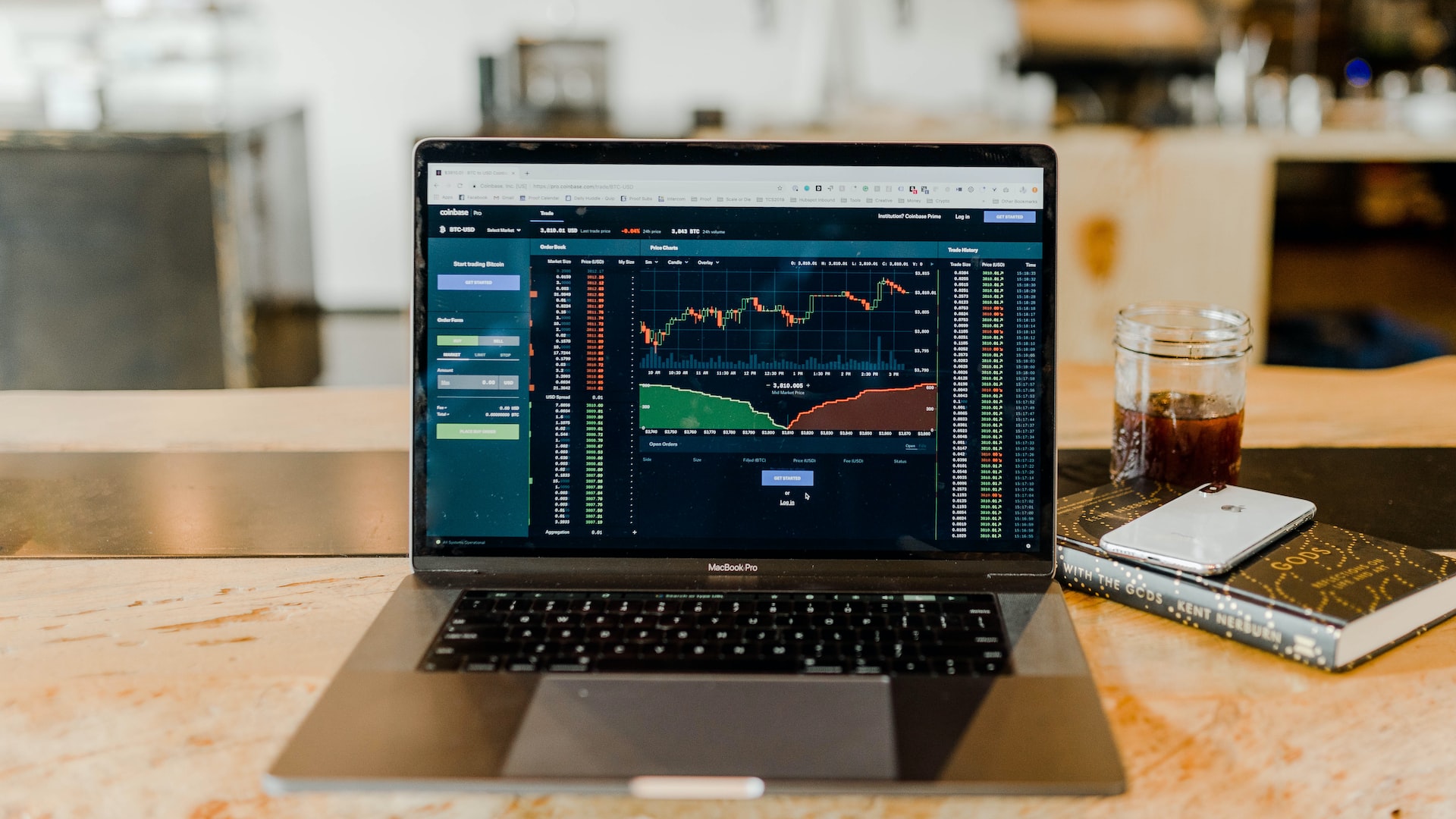
When it comes to trading in the financial markets, selecting the right trading platform is essential. A trading platform serves as a gateway to execute trades, access market data, and manage your investment portfolio. With numerous options available, it’s crucial to consider certain factors to ensure you choose a suitable trading platform that aligns with your trading goals and preferences. In this blog post, we will discuss the key factors to consider when deciding on your trading platform.
1. User-Friendliness and Intuitive Interface
1.1 Ease of Use
One of the first factors to consider is the user-friendliness of the trading platform. A platform should have an intuitive interface with clear navigation and easy-to-understand features. Look for a platform that allows you to quickly execute trades, access relevant information, and monitor your portfolio without any unnecessary complexity.
1.2 Customization Options
Each trader has unique preferences and trading strategies. A suitable trading platform should offer customization options, allowing you to personalize your trading workspace. Look for platforms that allow you to modify charts, create watchlists, and set up alerts according to your specific requirements. Customization can enhance your trading experience and improve efficiency.
2. Range of Tradable Assets
2.1 Asset Classes
Different traders have varying interests and strategies, so it’s important to choose a trading platform that offers a wide range of tradable assets. Look for platforms that provide access to popular asset classes such as stocks, bonds, commodities, forex, and cryptocurrencies. Having a diverse selection of assets allows you to explore different markets and diversify your investment portfolio.
2.2 Availability of Specific Instruments
If you have a particular interest in trading specific instruments, such as options or futures, ensure that the trading platform supports these instruments. Not all platforms offer access to every type of financial instrument, so it’s crucial to choose one that aligns with your trading preferences.
3. Reliability and Speed
3.1 Platform Stability
Reliability is a critical factor when it comes to trading platforms. A platform should be stable and capable of handling high volumes of trades without frequent downtime or technical glitches. Look for platforms with a good reputation for reliability to minimize the risk of missed trading opportunities or disruptions during volatile market conditions.
3.2 Order Execution Speed
Fast order execution is essential, particularly for day traders or those executing time-sensitive trading strategies. Ensure that the trading platform offers quick order routing and execution to capitalize on market movements. Delayed order execution can result in slippage and potentially impact your trading outcomes.
4. Research and Analysis Tools
4.1 Market Data and News
A trading platform should provide access to real-time market data, news updates, and financial research tools. Look for platforms that offer comprehensive charting capabilities, technical analysis indicators, and economic calendars. These features can help you make informed trading decisions and stay updated with the latest market developments.
4.2 Educational Resources
If you are a beginner or looking to expand your trading knowledge, consider platforms that offer educational resources. Look for platforms with tutorials, webinars, and educational materials to enhance your understanding of trading concepts and strategies.
5. Cost and Fees
5.1 Commission and Transaction Costs
Consider the commission structure and transaction costs associated with using a trading platform. Some platforms charge a flat fee per trade, while others have a tiered pricing structure based on trading volume. Assess your trading frequency and volume to determine the most cost-effective platform for your needs.
5.2 Account Maintenance Fees
Some platforms may charge account maintenance fees or require minimum deposit amounts. Be aware of these costs and evaluate whether they align with your trading budget and investment goals.
Conclusion
Choosing the right trading platform is a crucial decision for any trader. By considering factors such as user-friendliness, range of tradable assets, reliability, research tools, and cost, you can select a platform that meets your specific trading requirements. Remember to assess your trading goals and preferences to make an informed decision that will support your trading success.